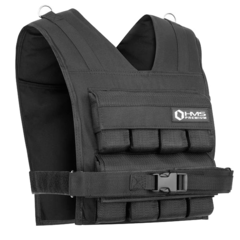
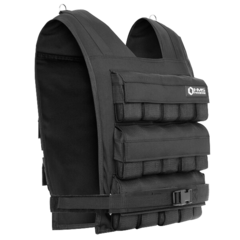
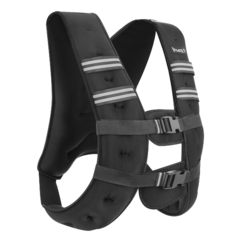
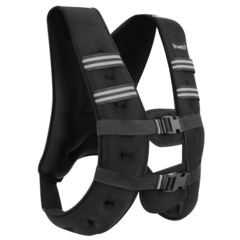
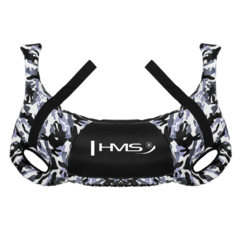
The weight vest is a suitable choice for anyone who wants to achieve maximum results during exercise, strength training or running. Its principle is to increase the load, so it can be used even when exercising with your own weight, as it engages the body muscles more intensively. Weight training weight vests come in many designs, with some models allowing the load to be optionally adjusted to suit your current needs.
Frequently Asked Questions
Hygiene is absolutely crucial for a vest because it absorbs a massive amount of sweat. For an adjustable vest, remove all the weights (sandbags or metal blocks) first. Wash the vest shell exclusively by hand in lukewarm water with a bit of soap or sports laundry detergent. Never put it in the washing machine, and definitely keep it out of the tumble dryer! Let it air dry thoroughly and naturally in a well-ventilated area.
A high-quality weight vest is designed to distribute the weight evenly across your chest, back, and shoulders. If you have the vest strapped tightly and the weight is distributed symmetrically (equal in the front and back), your spine is perfectly safe. However, you should never wear it for casual daily errands under your clothes—it is strictly a training tool meant to be worn for a limited time (e.g., a 45-minute workout).
If you can do at least 10 clean pull-ups and 20 parallel bar dips, an ideal starting point is a vest with a maximum weight of around 10 to 15 kg (22 to 33 lbs), which you can lighten initially. Vests weighing 20 kg (44 lbs) and over are designed for very advanced strength athletes. Remember, even a mere extra 5 kg (11 lbs) will turn a regular pull-up into an entirely different exercise.
Yes, but with extreme caution! Running with a weight vest is fantastic for building extreme conditioning, but it places a massive strain on your knees and ankles. If you want to run with a vest, choose a snug-fitting model (so it doesn’t bounce on your shoulders) and use a weight equal to no more than 5–10% of your body weight. Forget about using a heavy vest (10 kg / 22 lbs or more) for running; those are meant for squats, pull-ups, and push-ups.
For the vast majority of athletes, an adjustable weight vest is definitively the better choice. It features special pockets from which you can remove cast iron or sandbag weights. This allows you to start with a lighter load and progressively add weight as you get stronger. Fixed-weight vests are slightly more compact and hug the body better (which is great for running), but once you adapt to their weight, they won't push your strength progress any further.