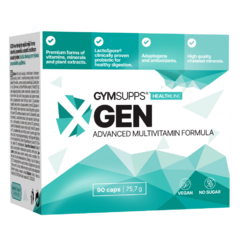
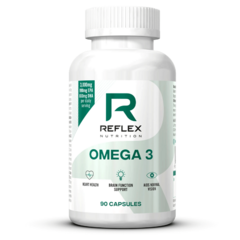
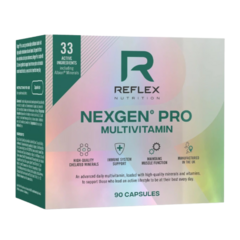
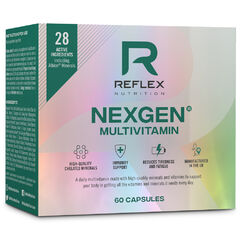
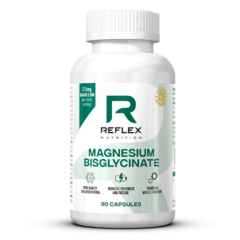
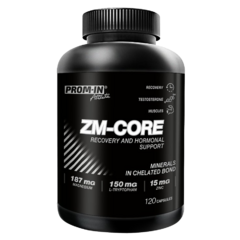
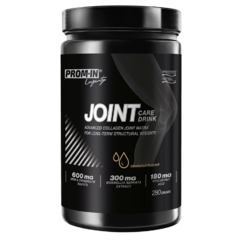
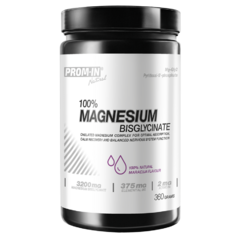
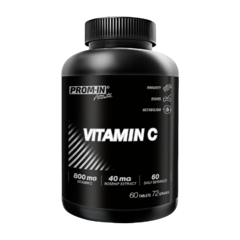
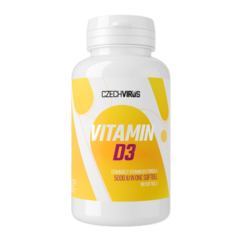
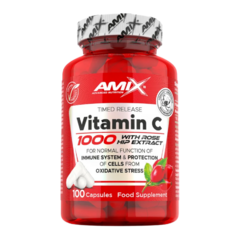
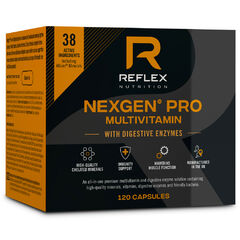
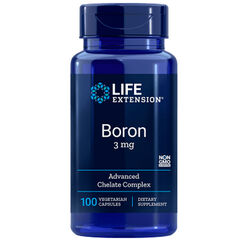
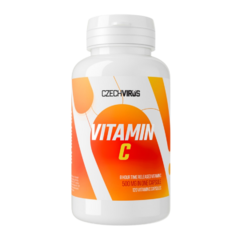
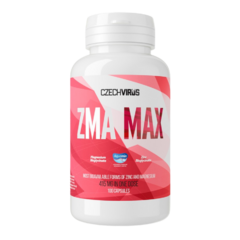
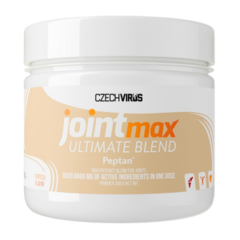
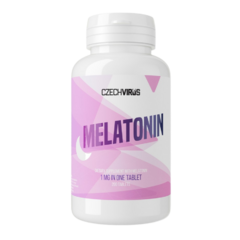
In this category, you will find a very extensive range of vitamins, minerals and joint nutrition supplements sorted into subcategories to help you navigate and easily select the vitamin or mineral you are looking for. The best-selling supplements are those in the multivitamin category, which contain a complex of vitamins and minerals. Find out more
Vitamins are organic substances that are essential for the proper functioning of the human body. They are nutrients that the body needs in very small amounts but are essential for maintaining health. Most vitamins are not produced directly by the body and therefore must be obtained from food or supplements.
Water-soluble vitamins: These include the B vitamins (B1, B2, B3, B5, B6, B7, B9, B12) and vitamin C (ascorbic acid). These vitamins dissolve well in water and are not stored extensively in the body. They need to be regularly supplemented with food.
Fat-soluble vitamins: This group includes vitamins A, D, E and K. These vitamins are fat soluble and can be stored in the body. They can also be obtained through the diet.
Each vitamin has specific functions in the body and a deficiency or insufficient intake of vitamins can lead to various health problems. For example, vitamin C is known for its role in supporting the immune system, while vitamin D is important for proper calcium absorption and maintaining healthy bones.
Vitamin supplementation/When to supplement vitamins
Vitamin supplementation is individual and depends on many factors such as your diet, lifestyle and health. In general, the best way to get vitamins is naturally from a balanced diet. However, there are situations where vitamin supplementation may be appropriate. Here are a few scenarios in which vitamin supplementation may be considered:
Lack of dietary variety
If you have a limited dietary variety or eat mostly low-nutrient foods, vitamin supplementation may be helpful to ensure adequate intake of needed nutrients.
Certain periods of life
During pregnancy, breastfeeding, puberty or old age, vitamin supplementation may be recommended to ensure increased nutrient needs.
Special dietary restrictions
If you are a vegetarian, vegan, or have dietary restrictions due to allergies, intolerances, or other health reasons, vitamin supplements may be helpful to ensure nutrient deficiencies.
Increased physical activity
If you are active in sports or perform vigorous exercise, vitamin supplementation may be considered as the need for certain nutrients increases.
Specific health conditions
Some medical conditions may make it difficult to absorb or metabolize certain vitamins. In such cases, vitamin supplementation as recommended by your doctor may provide benefits.
In addition, vitamins are beneficial for hair, nails, skin, eyes, and optimizing the immune system.
Division and overview of vitamins
As we have already discussed, vitamins are nutrients essential for the proper functioning of the body. They are organic substances found in food that the body needs in very small amounts. There are a variety of vitamins that are important for different functions in the body. Here is an overview of the most well-known vitamins and their division:
Water soluble:
Vitamin C: Supports the immune system, is involved in collagen formation and helps in wound healing.
B vitamin group: Includes thiamine (B1), riboflavin (B2), niacin (B3), pantothenic acid (B5), pyridoxine (B6), biotin (B7), folic acid (B9) and cobalamin (B12). These vitamins play a key role in nutrient metabolism, energy metabolism and blood formation.
Fat soluble:
Vitamin A: Important for proper growth, cell development, vision and immune system.
Vitamin D: Helps in the absorption of calcium and phosphate for proper growth and maintenance of bone health.
Vitamin E: Acts as an antioxidant, protecting cells from free radical damage.
Vitamin K: Essential for blood clotting and bone health.
Provitamins:
Beta-carotene: Converts to vitamin A in the body and has similar effects to vitamin A.
It is important to have a balanced diet that includes a variety of foods to get all the essential vitamins.
Specifically, vitamins can be supplemented in the form of liposomes, which are microscopic capsules made of phospholipids that have the ability to protect and transport substances through the digestive system and into cells. In the production of liposomal vitamins, vitamins and minerals are encased in a phospholipid layer that is similar to the structure of cell membranes. This protective layer allows the vitamins and minerals to survive the stomach's acidic environment to the intestines, where they are then absorbed into the bloodstream.
Minerals
Mineral dietary supplements are preparations that contain various minerals needed for theproper functioning of the body. Minerals are nutrients that are found in the soil and are important for many functions in our bodies, including metabolism, the nervous system, bones, muscles and other tissues.
There are many different minerals that are important for health such as calcium, iron, magnesium, zinc, potassium, phosphorus, sodium, copper, iodine and many others. These minerals are essential for the proper functioning of enzymes, hormones and other chemicals in our bodies.
Mineral supplements are available in tablet, capsule, powder or liquid form. People may take them if they have inadequate intake of minerals from food, have increased needs due to pregnancy, breastfeeding, growth or physical activity, or if they have certain health problems that may affect their ability to absorb or use minerals from food.
How do I know if I am deficient in vitamins and minerals?
Vitamin and mineral deficiencies in the body can have a variety of symptoms and manifestations. Here are some ways to recognize vitamin and mineral deficiencies:
Physical symptoms:
A deficiency of certain vitamins and minerals can cause a variety of physical symptoms. For example, vitamin C deficiency can lead to bleeding gums, iron deficiency can cause anemia, and calcium deficiency can lead to weakened bones and osteoporosis.
Fatigue and weakness:
Vitamin and mineral deficiencies can cause general fatigue and weakness. For example, vitamin B12 deficiency can lead to chronic fatigue and iron deficiency can lead to weakness and exhaustion.
Skin and hair:
Vitamin and mineral deficiencies can affect the health of skin and hair. For example, vitamin C deficiency can cause dry and cracked skin, and vitamin A deficiency can lead to dry skin and brittle hair.
Mood changes:
Deficiencies of certain vitamins and minerals can affect your mood and mental state. For example, vitamin D deficiency can contribute to depression and vitamin B6 deficiency can lead to mood changes and irritability.
Digestive disorders:
Vitamin and mineral deficiencies can also affect the health of your digestive system. For example, a lack of fibre and vitamin B3 (niacin) can lead to digestive problems, and a lack of vitamin B12 can cause digestive problems such as diarrhoea or constipation.
Risk of vitamin and mineral overdose
Overdosing on vitamins and minerals can be dangerous to your health and can cause serious problems. Although vitamins and minerals are essential for the proper functioning of our bodies, excessive consumption can lead to overdose.
Water-soluble vitamins are usually not stored in the body and the excess is excreted in the urine. Nevertheless, it is possible to overdose on these vitamins, especially if they are taken in extremely high doses of dietary supplements. Overdosing on water-soluble vitamins can lead to nausea, diarrhea, stomach upset and, in the case of high doses of vitamin C, can cause urinary stones.
Overdosing on vitamin A can cause nausea, vomiting, dizziness, loss of appetite, drowsiness, and even more serious problems such as liver damage and bone problems. Overdosing on vitamin D can cause excessive calcium levels in the blood, leading to nausea, vomiting, constipation, weakness, and kidney damage. Overdoses of vitamins E and K are less common but can cause nausea, diarrhea, and blood clotting disorders.
As far as minerals are concerned, overdose usually occurs with excessive use of dietary supplements or with excessive consumption of foods rich in a particular mineral. For example, iron overdose can lead to stomach upset, vomiting, liver damage, and even life-threatening conditions. Overdosing on zinc can cause nausea, vomiting, diarrhea, and a weakened immune system.
It is important to follow the recommended daily doses of vitamins and minerals and follow the instructions on the package or consult a doctor when taking dietary supplements.







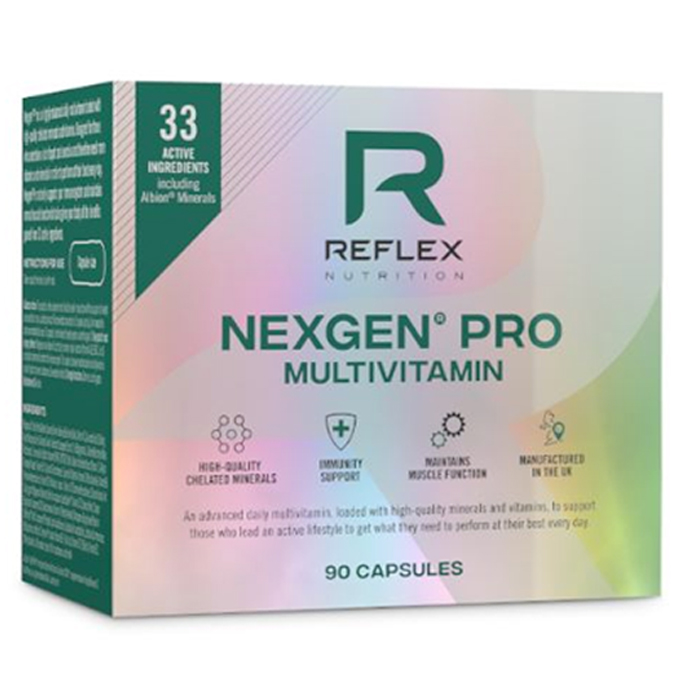 Multivitamins
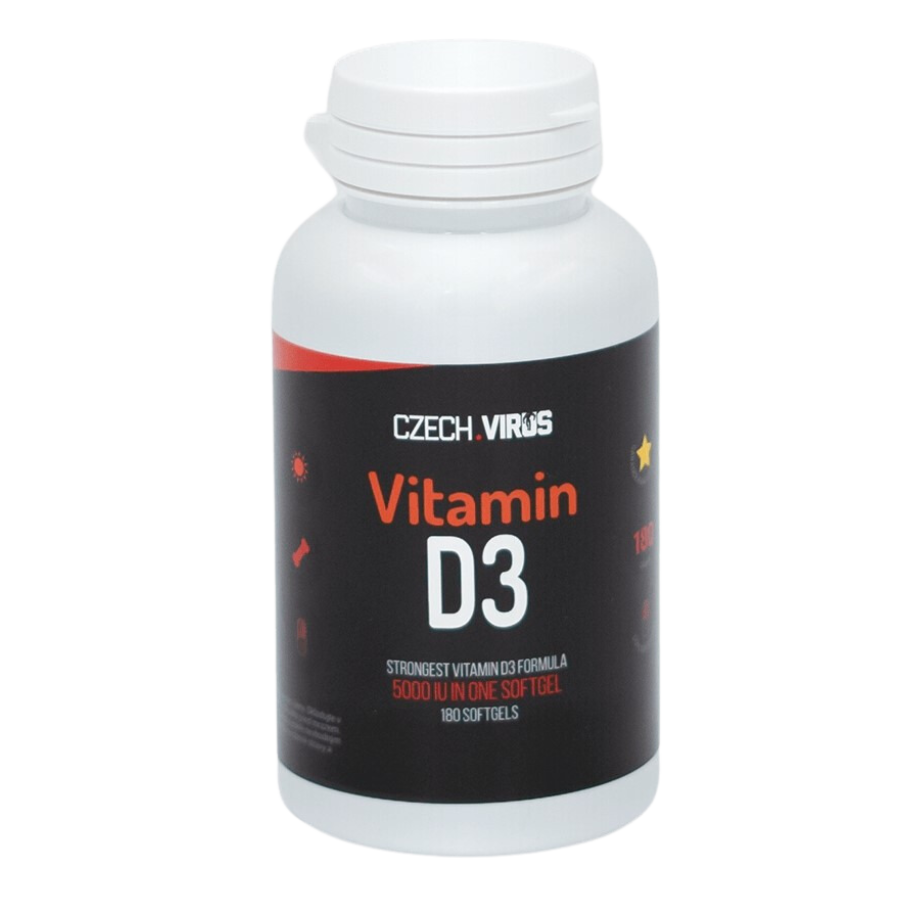 Vitamin D
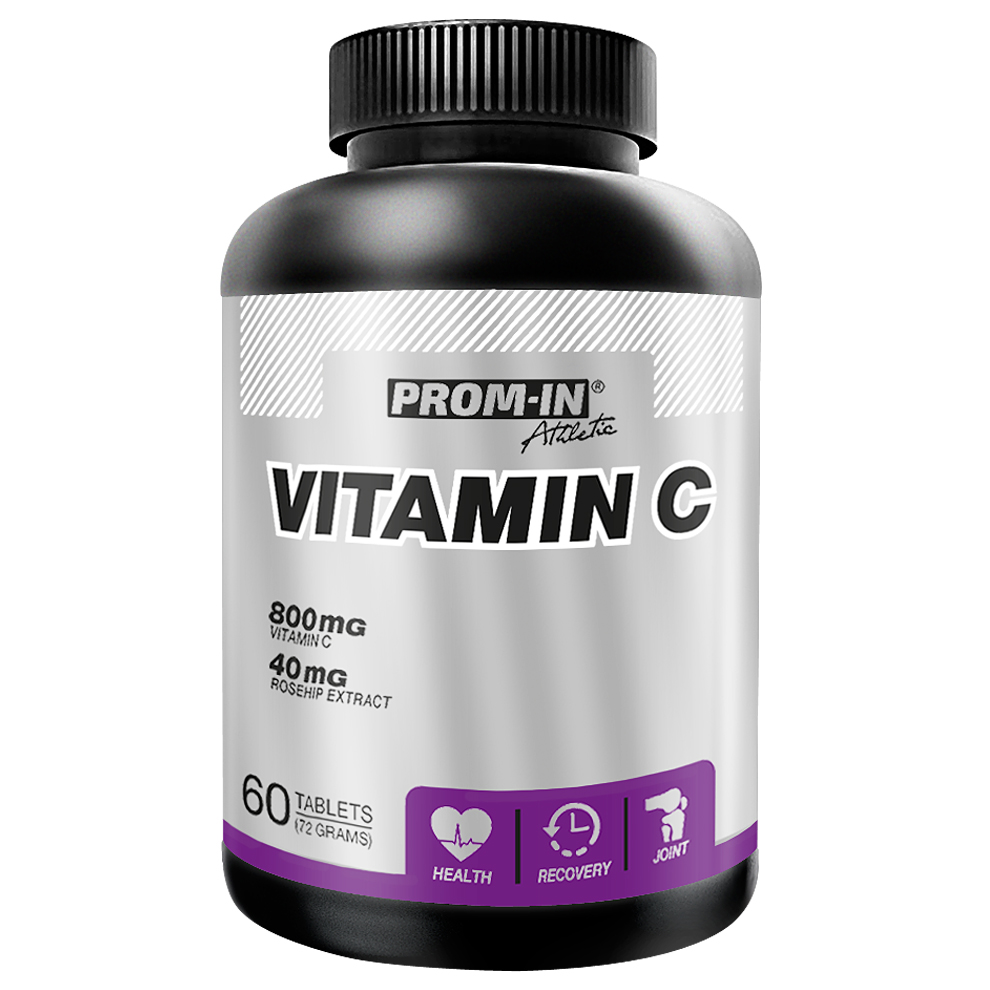 Vitamin C
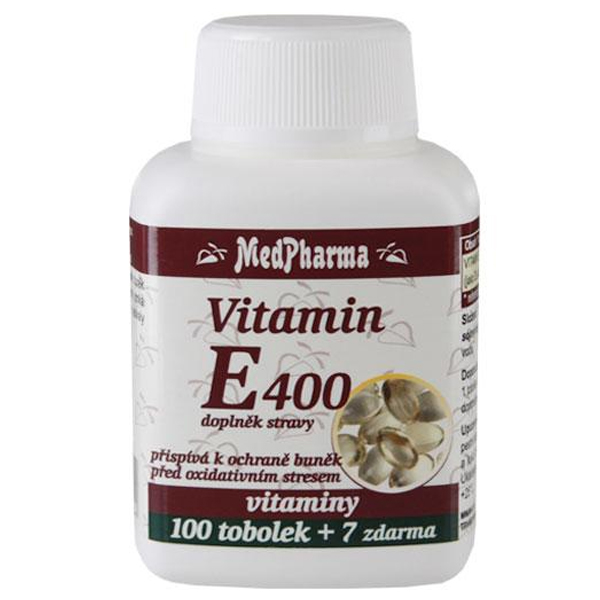 Vitamin E
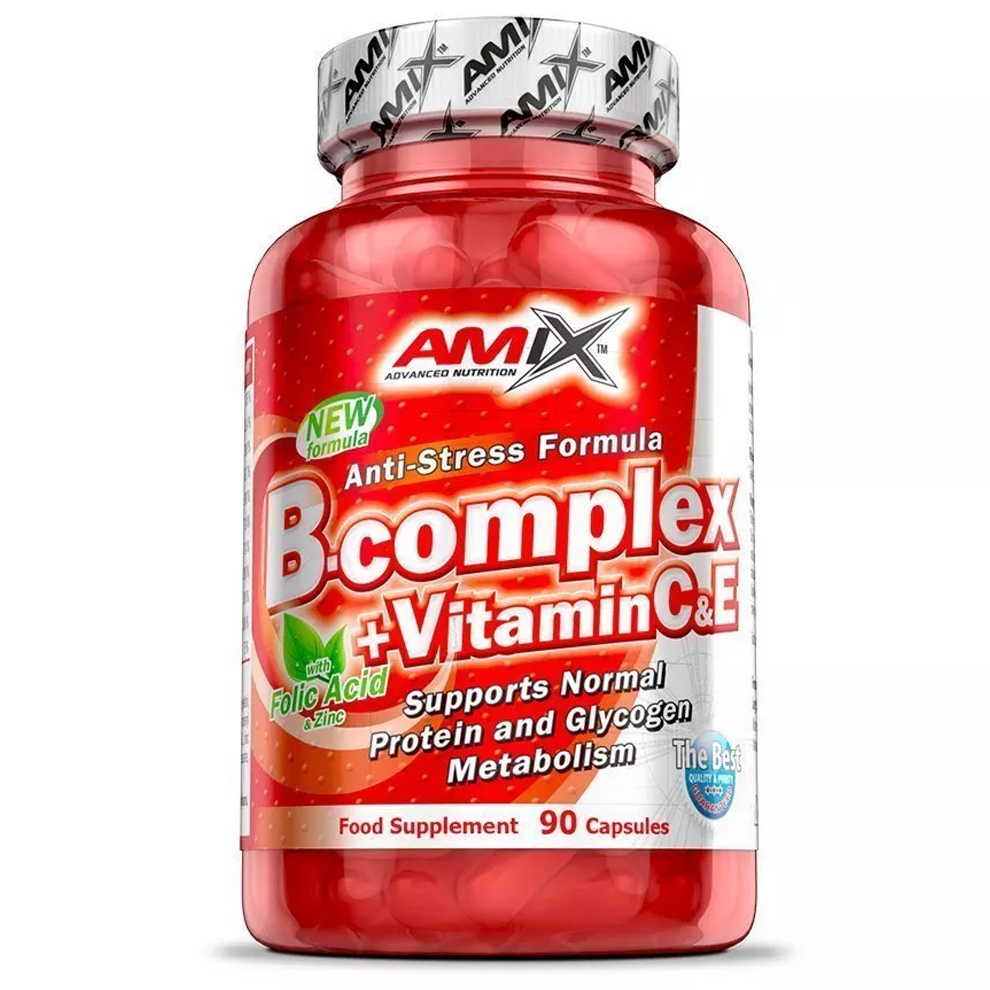 Vitamin B
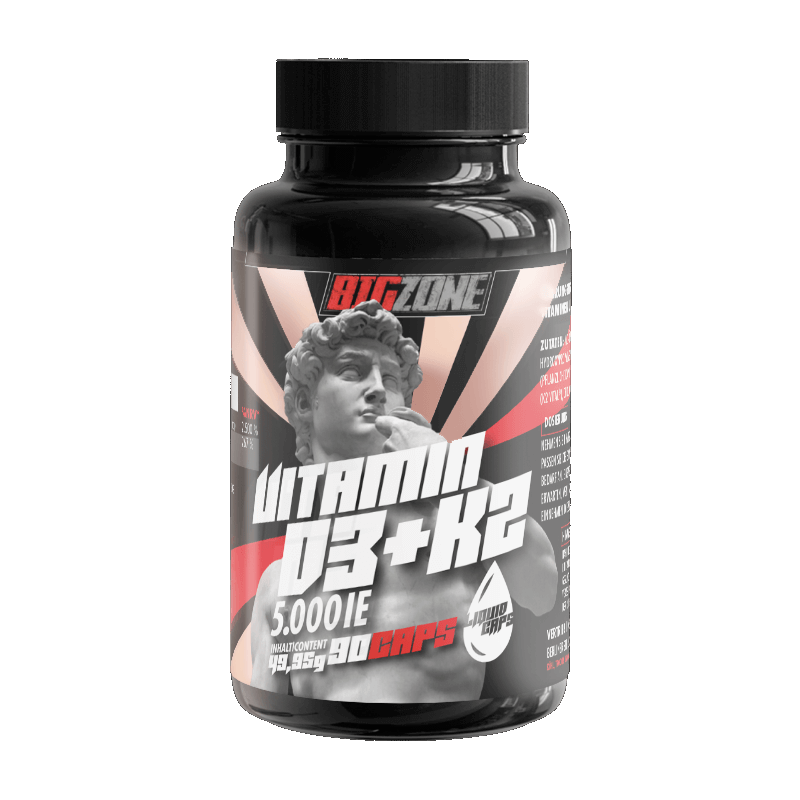 Vitamin K
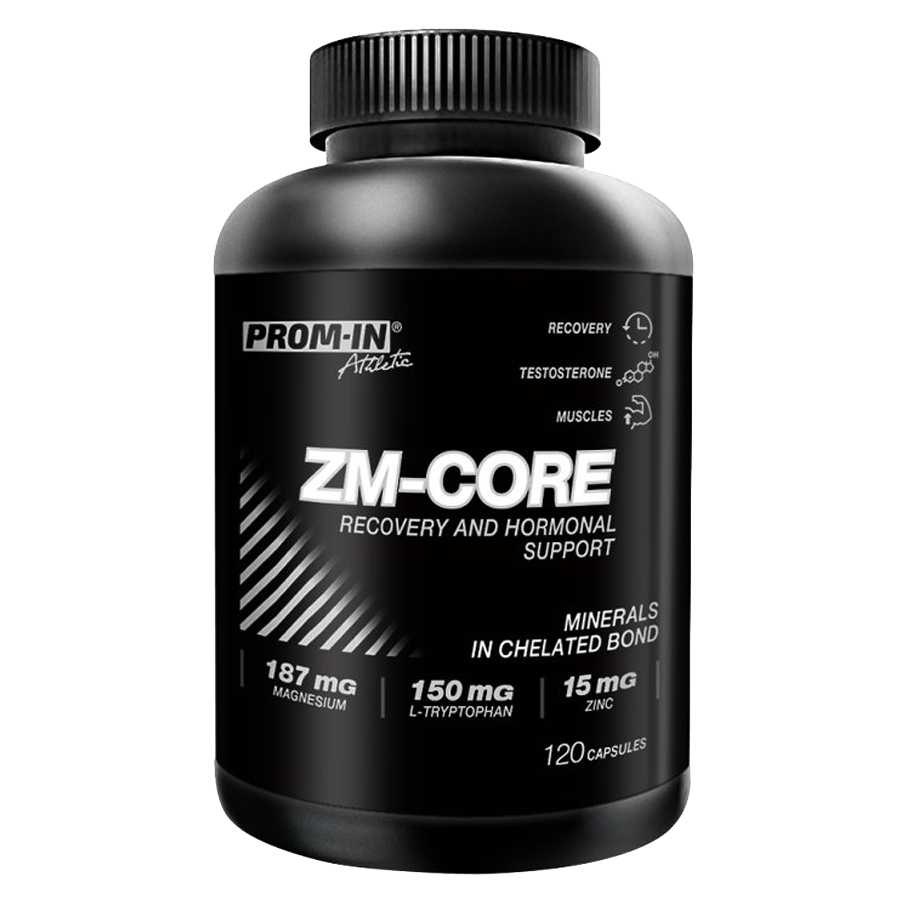 Magnesium
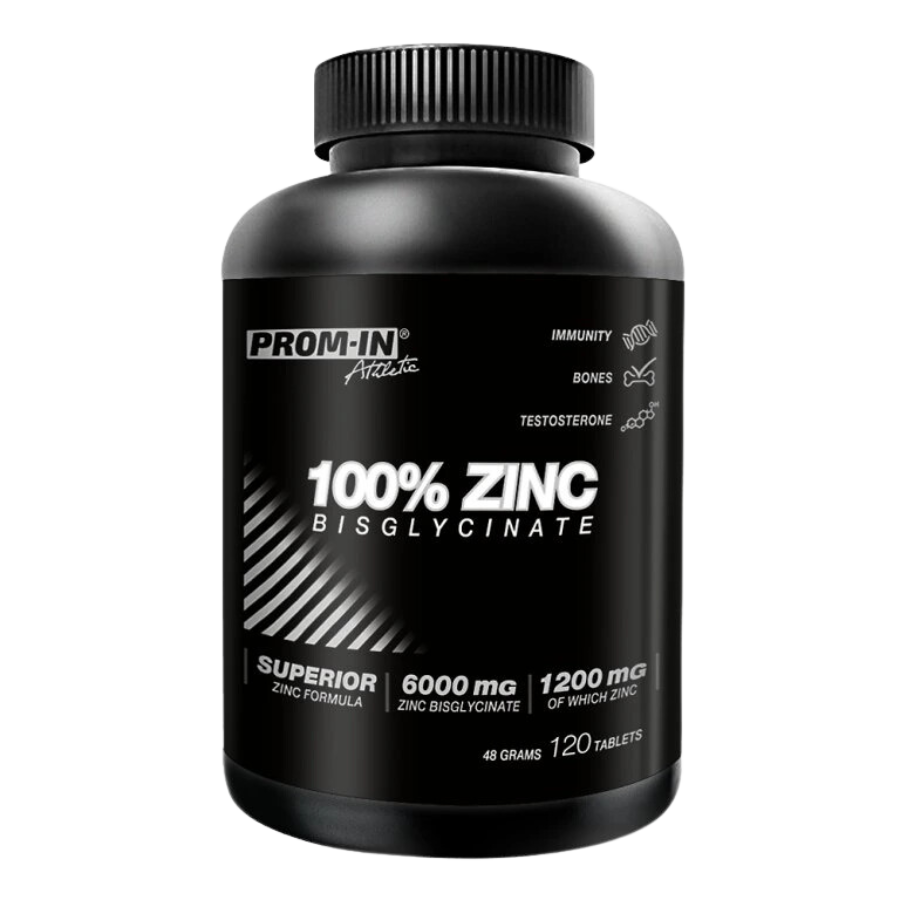 Zinc
Zinc
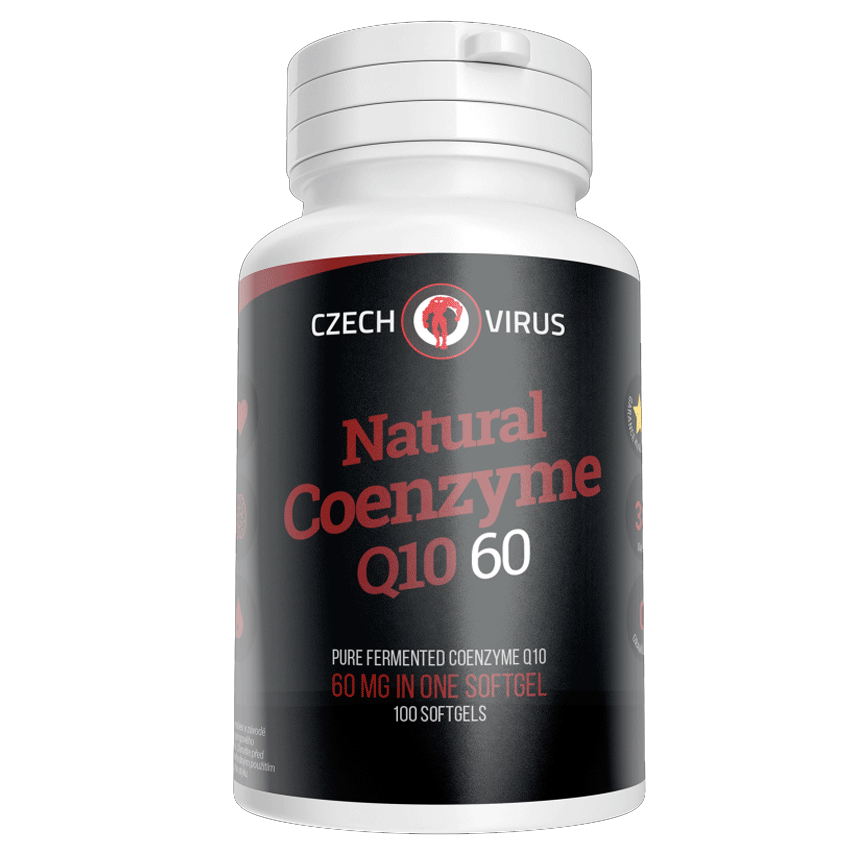 Antioxidants
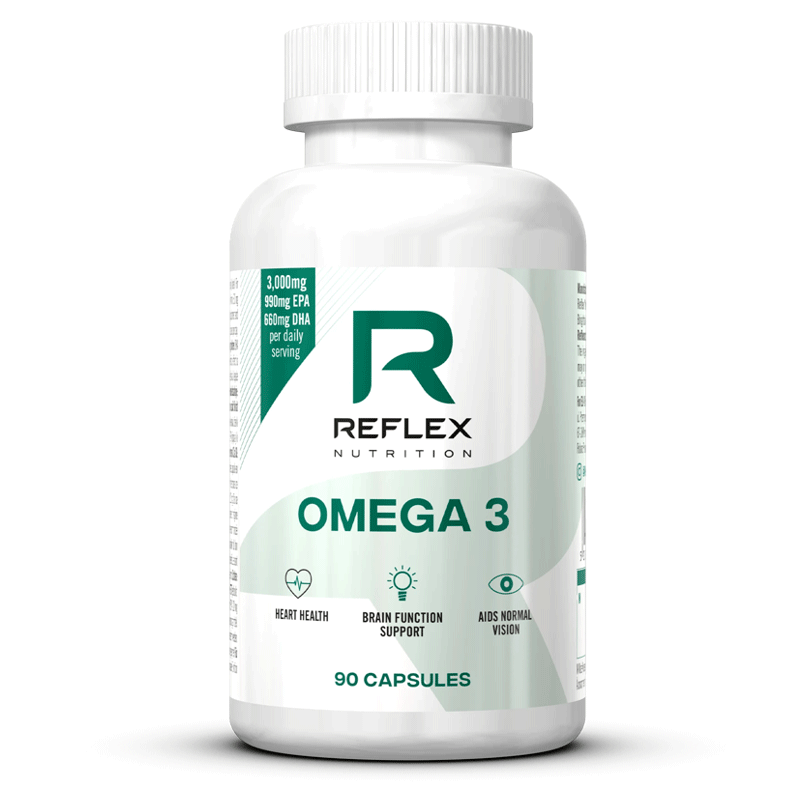 Omega-3 / Healthy fats
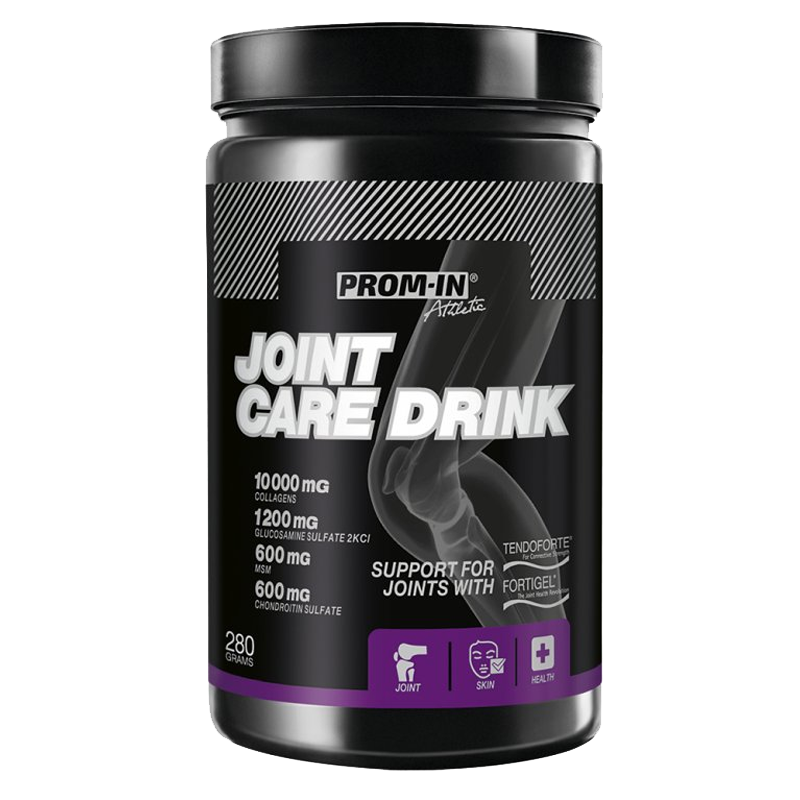 Joint nutrition
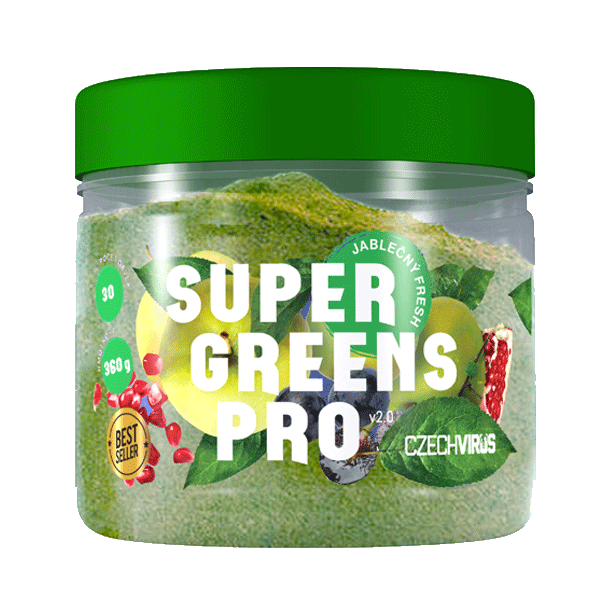 Support digestion
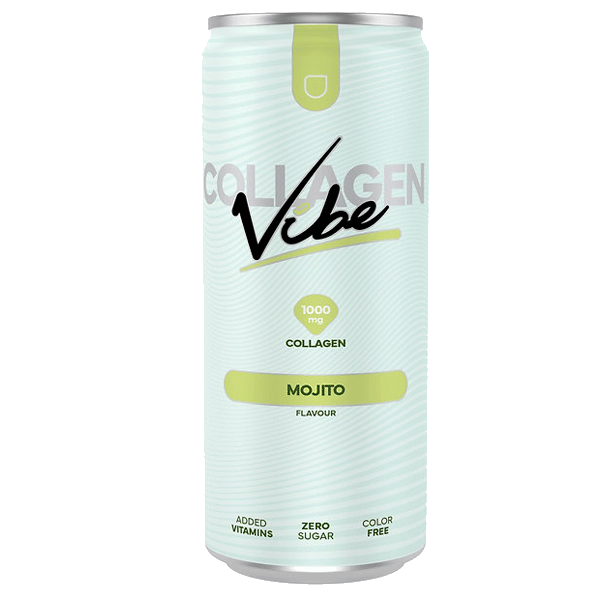 Collagen
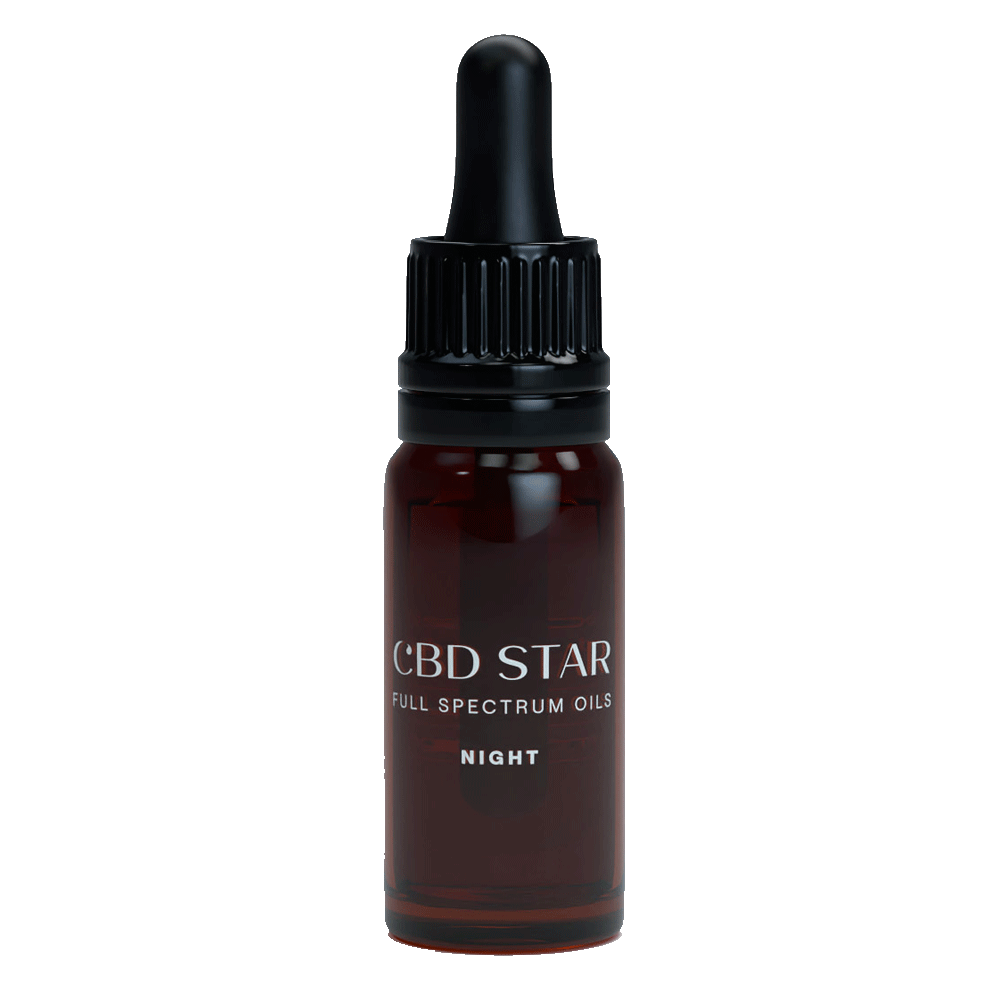 CBD/CBG products
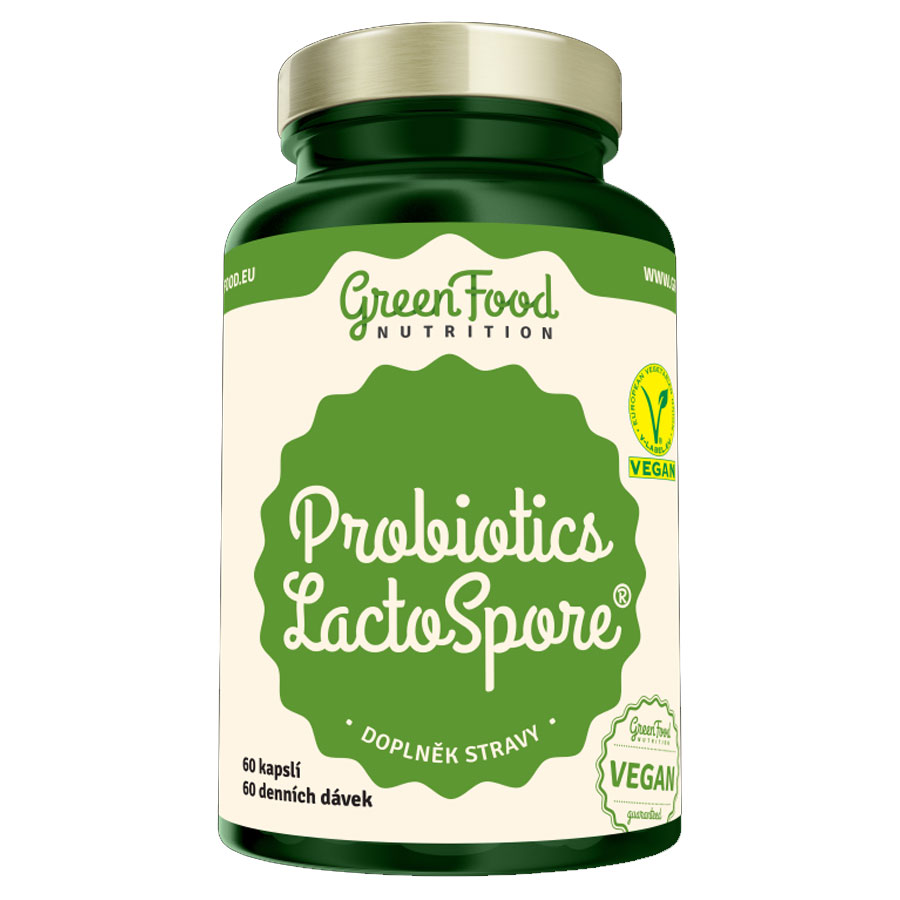 Probiotics
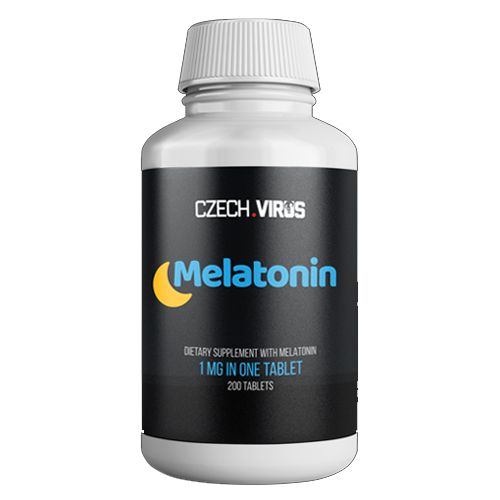 Sleep support/stress relief
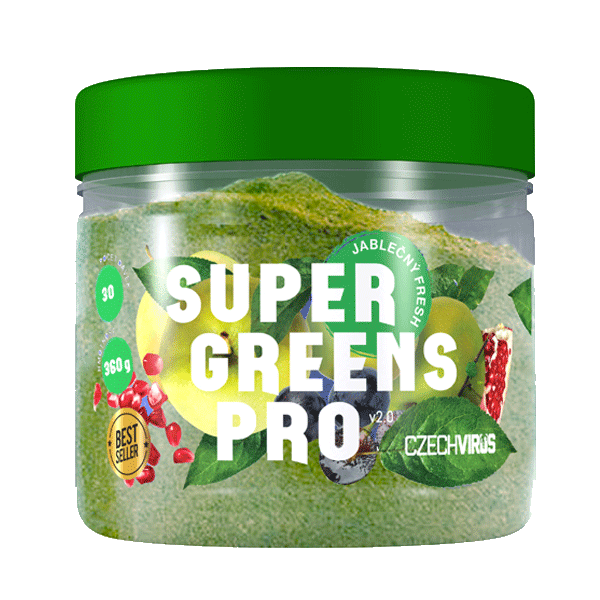 Greens / Superfoods
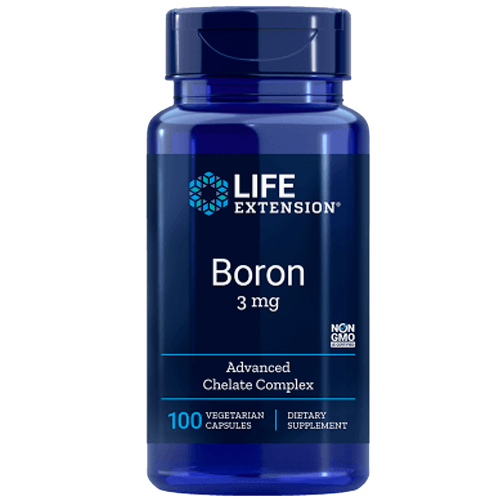 Men / Women 40+