





Just Starting to Work Out? A Guide to Your First 90 Days
 Author:
 You know that feeling all too well. You’re standing in the bathroom in front of the mirror, scanning your own body, and in the quiet of the early evening, you promise yourself that this time, you’ll really turn things around. The motivation is palpable. The next morning, you buy a gym membership, excitedly open your browser, and in that moment, you’re swept away by an avalanche of toxic advice. One self-proclaimed expert screams that you have to grind it out at the gym six times a week, another pushes a radical keto diet on you, and a third claims you won’t lose even a deko without an expensive fat burner. With naive faith, you buy the supplements, start obsessively weighing every bite, and try to mimic a pro’s workout routine. The result? In three weeks, you’re so mentally and physically drained that, filled with guilt, you throw in the towel. Stop. It’s not about a lack of willpower. It’s about the fact that no one bothered to tell you what really matters in the first few months—and what’s just noise. This guide will put an end to your frustration once and for all.
Article Contents
- Three Things That Really Matter
- What Goal to Choose
- Workout
- Nutrition
- Supplementation: What Makes Sense and What Can Wait
- Sleep and Recovery
- Seven Mistakes Almost Everyone Makes
- How to Tell If It’s Working
- What to Expect and When
- Frequently Asked Questions
- Conclusion: Three Steps for This Week
Three Things That Really Matter
Most attempts don’t fail due to a lack of effort, but because of sheer information overload. If, on the very first day, you’re obsessing over macronutrients down to the last gram, the biomechanics of every angle, and the timing of your supplements down to the second, your nervous system will crash, and sooner or later, you’ll throw it all away. In the first three months, your success doesn’t depend on perfection. It rests solely on three pillars that will give you absolute freedom.
The first is sheer consistency. You simply have to show up at the gym. An ordinary, average workout done three times a week will uncompromisingly beat out a perfect plan that you stick to only twice a month. The second pillar is gradually increasing the load. Your body is, by nature, a clever slacker that conserves energy, and it has no reason to get stronger until you give it a reason. In practice, this means that next time, you’ll simply lift one kilo more or do one extra rep. This principle is called progressive overload, and it’s the only rule of training you need to commit to memory. And the third thing? Protein. Training only breaks down muscle fibers. Protein is the raw material the body uses to repair them and build them back stronger. Without it, you’re only doing the first half of the work—and sabotaging the second half. Everything else—exactly what split you’re following, the brand of your sweatpants, or whether you do cardio before or after—is a complete minor detail at this point.
What Goal to Choose
Trying to chase all rabbits at once never works. Building massive muscles, losing fat down to the bone, and running a half-marathon are three completely different paths. Your nervous system and metabolism need one clear signal, so choose just one priority for the next three months.
If you want to build muscle, that means eating a little more than your body burns. You don’t have to overeat by 3,000 extra calories—a slight surplus is enough—but muscles won’t grow out of thin air. If your goal is to lose weight, you need a calorie deficit, but it’s absolutely essential that you keep lifting weights. Without strength training, your body will burn not only fat but also its own muscle mass, resulting in a lighter but weaker and flabbier body. And if you simply want to be fit and have energy, focus on maintenance calories, loosening up a stiff body, and consistency. Incidentally, this goal is the most beneficial for modern people who are sitting themselves to death.

Training
As soon as you step into the gym for the first time, forget about workout plans where every muscle is trained once a week. Those come from the world of advanced athletes and make no sense for your physiology. Three strength training sessions a week are more than enough; even the World Health Organization recommends strength training at least two days a week, so with three days of weight training, you’ll completely transform your physical condition. Train your entire body during every session—that is, use a full-body routine. Meta-analyses clearly show that splitting your workouts over three days means you stimulate each muscle group for growth three times a week instead of just once. It’s simpler, shorter, and incomparably more effective.
Your holy grail will be three sets of eight to twelve repetitions for each of the basic exercises. And how hard should you push yourself? You don’t have to go to complete failure. Science sees no significant difference between absolute failure and training with a margin of safety. Leave one or two reps in reserve in each set (the so-called RPE system); this will spare your central nervous system and do you more good than senseless heroics that leave you unable to lift your arms for three days. Moreover, form always takes precedence over weight. Your body builds muscle equally well with light and heavy loads, as long as you push each set close enough to your limit—so you’re free to start light and focus on perfect form. And don’t worry about whether you’re working out at home or at the gym. Both work because muscles only perceive mechanical resistance. Logically, though, the gym offers you many more options for gradually increasing the load.
Nutrition
The most common mistake when starting out always looks the same: all carbohydrates disappear from your life overnight, you start obsessively weighing every bite, and after ten days, the whole thing comes crashing down like a house of cards because such a radical change isn’t sustainable. Your absolute number-one priority is protein. A meta-analysis from the British Journal of Sports Medicine confirmed that the benefits for muscle and strength plateau at around 1.6 grams per kilogram of your body weight, so if you weigh 70 kilograms, aim for 110 grams a day from meat, fish, eggs, or cottage cheese.
The best part is that you don’t have to do any complicated calculations. Here’s a practical tip: include a good source of protein in every main meal, and you’ll reach your goal even without a calculator. Carbohydrates aren’t your enemy—they’re your fuel for intense workouts. Simply cut out the liquid sugars in sweetened drinks from your diet, and you’ll solve most of the problem. And what shouldn’t you worry about? The mythical anabolic window, timing your meal to the minute after a workout, or a panic-stricken fear of eating after 6 p.m. The anabolic effect of your workout lasts for hours, and your fitness is determined by your overall daily balance, not the stopwatch in your hand. Drink plain water; it may be boring advice, but it works best of all.
Supplementation: What Makes Sense and What Can Wait
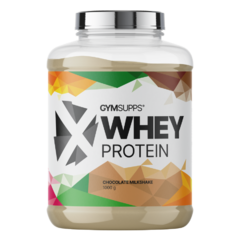
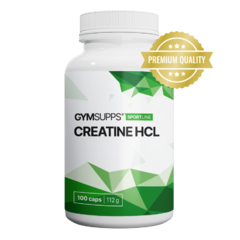
The supplement market thrives on the fact that no one really understands it and people are desperately searching for magic shortcuts. Let’s debunk this toxic marketing. Your foundation consists of protein, which is the easiest way to meet your daily protein requirement when you don’t have time to eat a solid meal. Next up is creatine monohydrate, the most extensively researched substance on the market, which instantly boosts performance during short-term, high-intensity exercise. This foundation is then complemented by vitamin D and omega-3 fatty acids for your immune system and heart.
The second tier consists of supplements for times when you’re overwhelmed by stress—this includes high-quality magnesium to calm your mind in the evening and electrolytes for hydration. And the third tier? Ignore it completely for now. Fat burners won’t do anything without a calorie deficit, you already have BCAAs in your protein powder, and expensive testosterone boosters are the dumbest way to throw money down the drain.
Recommended
Sleep and Recovery
This is where things most often go wrong and end in tears. There’s a common misconception that the more you train, the faster you’ll see results. But at the gym, you’re only damaging your muscles. Your actual growth and adaptation happen exclusively when you close your eyes at night. If you work out four times a week but sleep only five hours and live under constant stress, your body has nothing to build on. You’ll hit a plateau, experience mental fog, and feel like none of it is working. The problem, however, isn’t your training—it’s your disregard for recovery. Sleep is the cheapest and most effective anabolic tool you have, and seven to nine hours of deep sleep without a phone in your hand beats any dietary supplement.
Seven Mistakes Almost Every Beginner Makes
Save yourself months of frustration and avoid these classic pitfalls that have already derailed thousands of people before you:
- Six workouts a week right from the start: A surefire way to burn out your nervous system within the first month.
- Panic over daily weigh-ins: Weight is the most toxic metric in the first few months, because growing muscle is heavier and denser than disappearing fat.
- Copying a pro’s plan: That Instagram plan was designed for a body that’s been adapting for ten years. The same plan will only ruin you.
- Skipping leg workouts: The excuse “my legs are sore from cycling” doesn’t hold water; your lower body is your biggest muscle and hormonal engine.
- Skipping the warm-up: Those five minutes you save will end up costing you a month of forced downtime at the orthopedist.
- Changing your plan every fourteen days: Your muscles really don’t need to be constantly “shocked”; they just need a steady routine and a gradual increase in load.
- Takingsupplements before meals: Buying pills before you’ve sorted out your sleep and have a protein-packed meal is throwing money out the window.
.jpg)
How to Tell If It’s Working
At the beginning of your journey, you’ll very often experience what’s called “body recomposition,” when your body can build muscle mass and burn fat at the same time. The scale in your bathroom might not budge even a millimeter, even though your physique is undergoing a complete transformation. So ditch the scale and start tracking other, real metrics of inner and outer strength. Focus on whether you can actually do more reps with the same weight than you could a month ago. Notice that your clothes fit differently, especially around the waist and shoulders. Enjoy more stable energy levels during a long afternoon at work and the fact that you fall asleep faster in the evening. Write down your very first workout, and look at those numbers again in twelve weeks, because a before-and-after photo after thirty days and increasing strength always speak much louder than a digital display on the floor.
What to Expect and When
Progress follows its own inexorable biological rules and can’t be sped up by any motivational quote on social media. Here’s what a realistic progression of your transformation looks like:
|
Timeline |
What’s Actually Happening to Your Body | What to Focus On During This Phase |
|---|---|---|
| Weeks 1–2 (Shock Phase) | Neural adaptation is taking place. Your brain is just learning to effectively engage muscle fibers. Expect severe muscle soreness and slight weight fluctuations due to water retention. | Don’t overdo it: Your ego needs to take a back seat. Focus on perfecting your technique and, above all, build an unshakable habit of simply showing up. |
| Weeks 3–6 (Brute Strength Phase) | Muscle soreness subsides. You’ll see your first significant gains in strength with the barbell, mainly thanks to your improved muscle coordination. | Stay consistent: Start systematically increasing the weight and carefully monitor your daily protein intake. |
| Weeks 7–12 (Transformation Phase) | Only now do real structural changes in your tissue begin to take place. Your clothes start to fit differently, and the people around you finally notice the difference. | Don’t let up: The initial enthusiasm and motivation are gone. Now, your strict routine and discipline are what matter most. |

Frequently Asked Questions
Are you desperately wondering if you have to buy protein powder? You definitely don’t have to—it’s essentially just an isolated food with the water removed. But getting your daily protein intake from just meat and cottage cheese takes a lot of time and money, so protein powder simply makes your life easier. Maybe you’ve thought about working out every day to see results faster. This is a huge mistake, because your central nervous system and muscles need time to recover. Three to four strength training sessions a week is the reasonable maximum, and on the days in between, stick to just a light walk.
What about money? A gym membership and basic nutrition will cost a fraction of what you normally spend on nonsense over the weekend, and you can safely put expensive supplements on hold until you have your diet and sleep under control. Many people also ask if they can lose weight and gain muscle at the same time. At the very beginning of your journey, thanks to the body recomposition effect, this is actually possible if you eat enough protein and lift weights, but over time, this luxury will come to an end, and you’ll have to choose one path. If you think it’s too late to lift weights once you’re in your 40s or 50s, you’re very much mistaken. Strength training is the most effective tool for maintaining bone density and independence; the later you start, the greater the impact it will have on your life. And if you’re a woman and worried that lifting weights will make you look like a bodybuilder, get that out of your head. A woman’s hormonal makeup limits massive muscle growth, so you’ll gain only what matters: inner strength, stronger bones, good posture, and incredible energy.
Conclusion: Three Steps for This Week
The motivation you get from reading this text is like a cheap stimulant—it’ll reliably fade by tomorrow morning. So ditch the lofty resolutions and take these three concrete steps right now. Pack your gym bag tonight and don’t wait for the “perfect Monday”; once your bag is ready by the door, you’ll drastically increase your chances of not making excuses after work and actually making it to the gym. Add protein to every main meal, and start with breakfast tomorrow. Finally, choose one simple full-body workout plan and stick to it for the full twelve weeks—three times a week—doing only the basic exercises and absolutely no trying out new things. Your physical and mental transformation doesn’t begin when life’s conditions are perfect. It begins with your first ordinary, completely imperfect workout. Go get it done.
Recommended
New 100% Whey Protein 800g 1+1

Creatine Monohydrate 500g 1+1
References
- Bull FC, et al. World Health Organization 2020 guidelines on physical activity and sedentary behavior. Br J Sports Med. 2020. PMID 33239350
- Morton RW, et al. A systematic review, meta-analysis, and meta-regression of the effect of protein supplementation on resistance training-induced gains in muscle mass and strength in healthy adults. Br J Sports Med. 2018. PMID 28698222
- Jäger R, et al. International Society of Sports Nutrition Position Stand: protein and exercise. J Int Soc Sports Nutr. 2017. PMID 28642676
- Kreider RB, et al. International Society of Sports Nutrition Position Stand: Safety and Efficacy of Creatine Supplementation. J Int Soc Sports Nutr. 2017. PMID 28615996
- Antonio J, et al. Common Questions and Misconceptions About Creatine Supplementation. J Int Soc Sports Nutr. 2021. PMID 33557850
- Schoenfeld BJ, Grgic J, Krieger J. How many times per week should a muscle be trained to maximize muscle hypertrophy? J Sports Sci. 2019. PMID 30558493
- Schoenfeld BJ, et al. Strength and hypertrophy adaptations between low- vs. high-load resistance training: a systematic review and meta-analysis. J Strength Cond Res. 2017. PMID 28834797
- Grgic J, et al. Effects of resistance training performed to repetition failure or non-failure on muscular strength and hypertrophy. J Sport Health Sci. 2021. PMID 33497853
No posts have been made yet.








