





Hybrid Strength (Week 2): Progressive Overload
 Author:
 In the first week, we built a mechanical foundation—we taught your nervous system to handle high intensity with proper form. If you followed the program faithfully, your body is now ready for the next step: progressive overload. It’s the only principle without which no training plan in the world works in the long run. Muscles and the nervous system adapt to the load they’re already familiar with—if you don’t increase that load, adaptation simply stops.
But progression doesn’t mean mindlessly adding plates every week. There are three ways to overload your muscles and nervous system without risking injury or compromising your form: more weight with the same number of reps, more reps with the same weight, or shorter rest periods with the same effort (we’ll save this third approach for Week 3). This week, we’ll follow the first two.
 Progresivní přetížení.jpg)
Strategy for Week 2: Double Progression
We’ll use the double progression method—a proven yet simple system for making progress without guesswork.
- Main Exercises: Stay within the 5–7 rep range. As soon as you can complete the upper limit (7 reps) with proper form in the last two sets, add 2.5 kg to each side for your next workout. The tempo is reduced to 2-1-1—the eccentric phase is still controlled, but you perform the concentric phase at maximum speed (without compromising form).
- Supplementary exercises: 8–12 reps; progress primarily through the number of reps. Once you reach 12 reps in all sets, add weight.
Day 1: Upper Body – Push
| Exercise | Sets | Repetitions | Progression vs. Week 1 | Rest |
|---|---|---|---|---|
| A. Bench Press | 4 | 5–7 | +2.5 kg | 2.5 minutes |
| B. Overhead Press (Standing) | 4 | 5–7 | +2.5 kg | 2 minutes |
| C. Incline DB Press (Incline Bench, Dumbbells) | 3 | 8–12 | +1 rep | 90 seconds |
| D. Triceps Rope Pushdown (Triceps Pulley) | 3 | 10–14 | +1 rep | 60 seconds |
| E. Hybrid Finisher: Sled Push | 3 | 25 m, +10% load | +5 m | 90 seconds |
Day 2: Upper Body – Pull
| Exercise | Sets | Repetitions | Progress vs. Week 1 | Rest |
|---|---|---|---|---|
| A. Deadlift | 4 | 4–6 | +5 kg | 3 minutes |
| B. Pull-ups / Overhand Pulley Rows | 4 | 5–7 | +weight / +1 rep | 2 minutes |
| C. One-Arm Bent-Over Rows | 3 | 8–12 | +1 rep | 90 seconds |
| D. Face Pull | 3 | 15–18 | +3 reps | 60 seconds |
| E. Hybrid Finisher: Farmer's Carry | 3 | 45 m, +10% load | +5 m | 90 seconds |
Day 3: Lower Body (Legs)
| Exercise | Sets | Repetitions | Progress vs. Week 1 | Rest |
|---|---|---|---|---|
| A. Back Squat | 4 | 5–7 | +5 kg | 3 minutes |
| B. Romanian Deadlift (RDL) | 3 | 7–9 | +2.5 kg | 2 minutes |
| C. Bulgarian Split Squat | 3 | 8–10 / leg | +weight | 90 seconds |
| D. Standing Calf Raises | 4 | 14–16 | +2 reps | 60 seconds |
| E. Hybrid Finisher: Kettlebell Swing | 3 | 25 | +5 reps | 60 seconds |
Day 4: Hybrid Conditioning (Functional Circuit)
| Exercise (performed as 1 circuit) | Circuits | Distance / Reps | Rest |
|---|---|---|---|
| Rowing Machine (RowErg) | 4 | 250 m | No break |
| Wall Balls (Medicine Ball Throws) | 4 | 15 throws | No rest |
| Goblet Squat (Kettlebell Squat) | 4 | 12 | No rest |
| Rest between rounds | – | – | 2 minutes |
- Hybrid finisher: Increase the load or pace of the finisher from Week 1 by about 10%.
Rest periods remain the same as in the first week—now is not the time to shorten breaks; it’s time to handle heavier weights with full recovery between sets.

Nutrition and Recovery: Supporting Neuromuscular Performance
Progressive overload places increased demands on the central nervous system—it is the CNS that must teach the muscles to engage more motor units simultaneously.
- L-Citrulline — supports blood flow to working muscles, which directly impacts the quality of the pump and nutrient delivery during heavy, low-rep sets.
- Magnesium — a key mineral for neuromuscular impulse transmission. As the training load increases, so does the risk of cramps and poor sleep quality; magnesium effectively prevents both.
Recommended

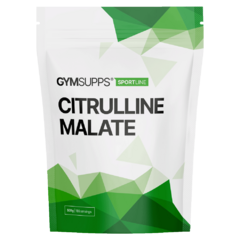
GymSupps Citrulline Malate
What to Expect Next
In the third week, your weight will stay the same as this week, but the rules of the game will change drastically—we’ll start drastically cutting back on rest and put your body into a state of metabolic stress. Get ready for lactate hell.
No posts have been made yet.








