





Endurance Training Plan (Week 1) – Run Slow to Run Fast!
 Author:
 According to the latest global surveys by the ACSM, one of the strongest trends of 2026 is a return to polarized training —a methodology that elite endurance athletes have intuitively used for decades and that sports science has only recently confirmed. This eight-week protocol is built precisely on this principle and is designed for competitive athletes who want to tackle a 10K to a half-marathon using a truly structured plan—not just randomly accumulated kilometers.
The foundation of the entire methodology is the so-called 80/20 rule: 80% of training volume takes place at low intensity (Zones 1–2, a pace at which you can run and talk normally), while the remaining 20% is reserved for high-quality, high-intensity intervals. It is precisely in that “boring” slow zone that the most important changes take place: the body thickens the capillary network around muscle fibers and multiplies the number and volume of mitochondria—the cellular powerhouses that determine how long you can maintain your pace before “hitting the wall.” Without this broad aerobic foundation, your ability to handle more intense segments later in the training block will simply collapse.
The first two weeks of the protocol are therefore purely about low-intensity volume. No intervals, no tempo runs—just the discipline of running slowly so you can run fast later.
 – Běhej pomalu, abys běžel rychle.jpg)
Strategy for Week 1: Pure Zone 2, no exceptions
- All 5 training days take place in Zones 1–2 (65–75% of maximum heart rate, conversational pace).
- Volume: Set your weekly mileage to a level you can already comfortably handle—this week is about consistency, not increasing your mileage.
- Strength Training 2×/week: light weights, higher reps (12–15), focusing on single-leg stability, hips, and glutes. Always do strength training after your run, never before.
- Goal for the week: Learn to run really slowly—most runners run their “easy” days unnecessarily fast.
| Day | Workout | Duration / Distance | Intensity | Note |
|---|---|---|---|---|
| Day 1 | Easy run + Strength A (lower body) | 40–50 minutes | Zone 1–2 | Strength: 3 sets of 12–15 reps, RPE 6 |
| Day 2 | Rest / light cross-training | – | Zone 1 | Cycling, swimming, or complete rest |
| Day 3 | Easy run | 40 minutes | Zone 1–2 | Conversational pace |
| Day 4 | Easy run + Strength B (core, stability) | 40 minutes | Zone 1–2 | Strength: 3 sets of 12–15 reps, RPE 6 |
| Day 5 | Rest | – | – | Full recovery |
| Day 6 | Easy run | 45 minutes | Zone 1–2 | Conversational pace |
| Day 7 | Long run | 60–70 minutes | Zone 2 | Longest run of the week, easy pace |
Nutrition and Recovery: Supporting Aerobic Adaptation
Building mitochondrial density places increased demands on oxygen transport and the micronutrients involved in energy metabolism.
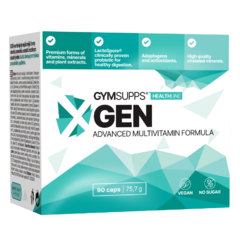
- Multivitamins — Endurance training increases the demands on red blood cell production and oxygen transport. Micronutrient deficiencies are one of the most common hidden causes of performance plateaus among runners.
- Omega-3 / Healthy Fats — support anti-inflammatory processes associated with higher training volume and promote joint health, as joints bear repeated stress during the aerobic phase.
What to Expect Next
In the second week, the methodology remains the same—pure Zone 2, no intervals—but the volume will increase by 10–15%. We’ll show you how to properly increase your mileage without risking overtraining
Recommended


No posts have been made yet.








