





Seven floors of emptiness and your palms!
 Author:
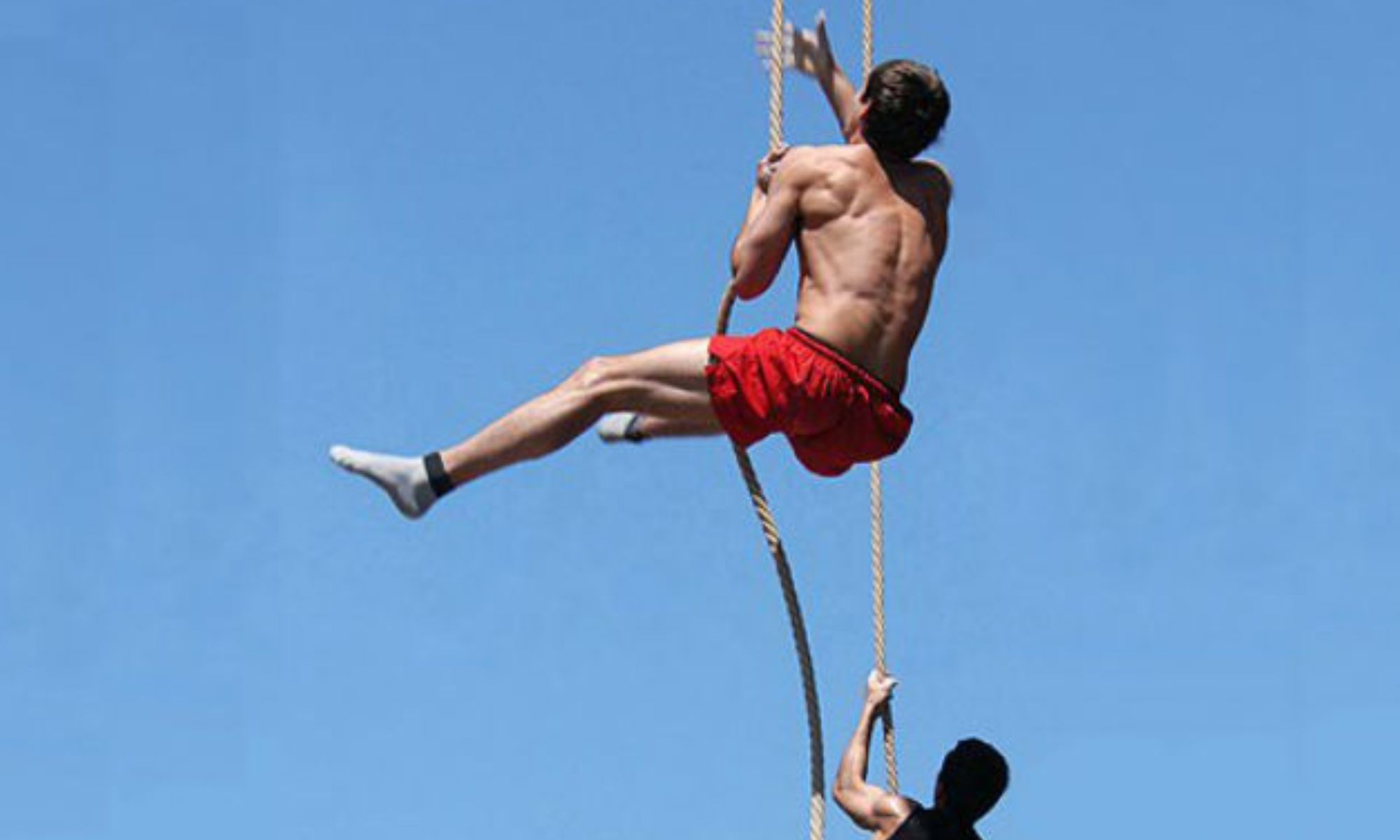
 A rope lowered from a crane right into the heart of Nové Město nad Metují. Between you and the top stands 14 or 20 metres of pure gravity. No legs, no compromises, just you and your will not to let go.
- On June 14, 2026, you'll discover how much power is really in your hands. This is the Athena Climb.
- a return to the Olympic absolute of 1896. The road to the 2027 European Championships starts here.
Do you want to try your hand with the professional climbers? Then we have a rope length of 4.5 metres for you. On this length of rope you can test your skill, strength, endurance. And of course it won't be just like that, everyone who takes part will win a prize, no matter where they place.
Are you interested in this, either as a great spectacle or would you like to try it for yourself?
Then this is the one for you:
THE GRAND PRIX OF NEW TOWN NAD METUJÍ
WHEN: Sunday 14 June 2026 WHERE: Husovo náměstí Nové Město nad Metují PROGRAMME:
- 10:45 - Start on the 4.5 m rope (Youth, women, public)
- 13:00 - Main race on the crane (14 m and 20 m)
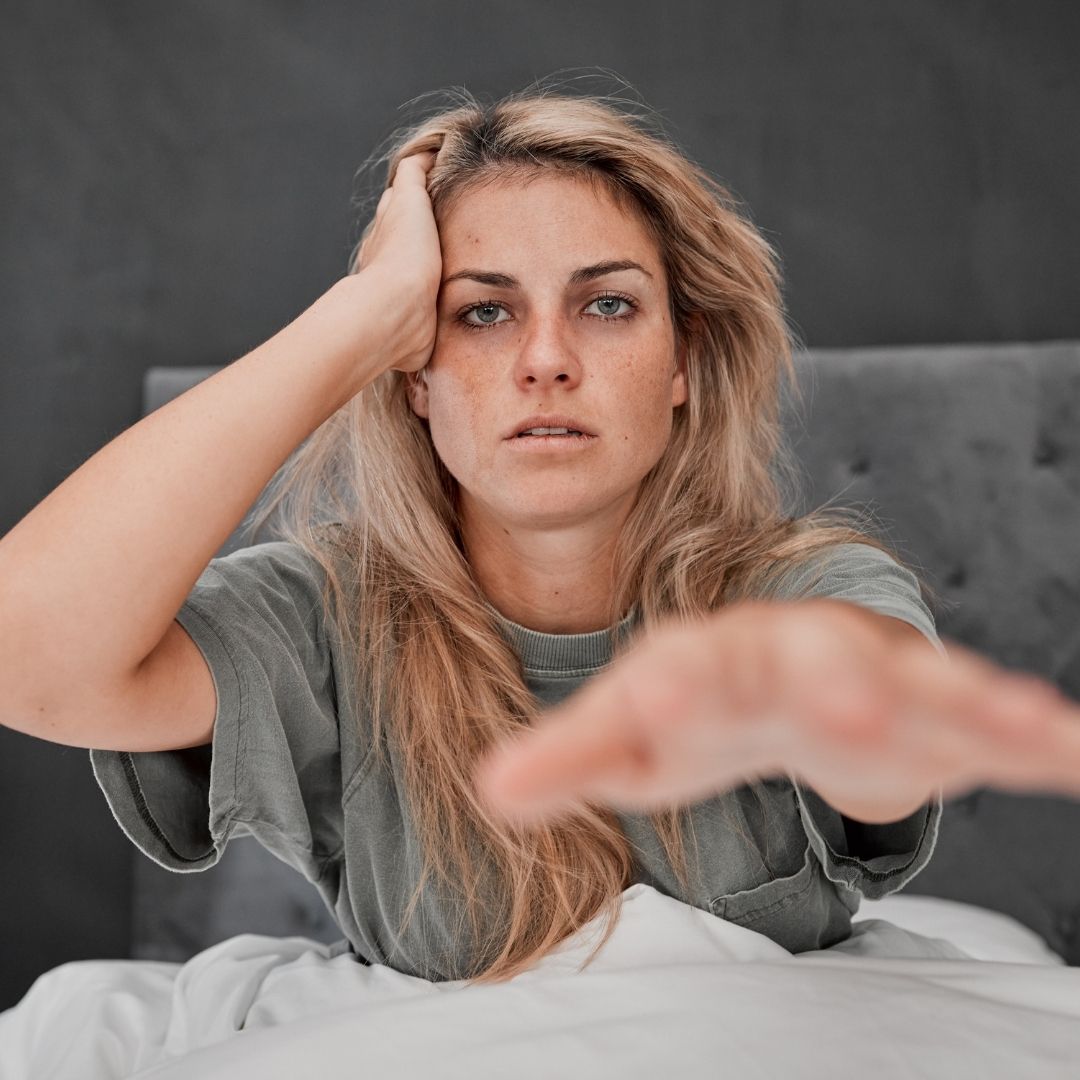
"The drop in estrogen changes everything... These words may sound like a bold advertising slogan at first glance, but modern science speaks very clearly. Menopause brings a whole host of challenges to a woman's life. As hormone levels drop, our mood often drops, the body loses muscle mass and bones become more fragile. During this hormonally unstable period, many women feel exhausted. However, there is one dietary supplement that has long been underrated for women: creatine.
As your experience says: "Hormones drop in menopause and your mood with them, but your mood is reliably RETURNED by CREATINE." What exactly is behind this statement and how does it work? Let's take a look at what a groundbreaking scientific study (PMID 33800439) says that details the uses of creatine for women's health.
Why do women need creatine more than we think?
The study, Creatine Supplementation in Women's Health: A Lifespan Perspective (2021) produced some fascinating findings. Did you know that women naturally have 70-80% lower creatine stores in their bodies compared to men? This difference becomes critical just when estrogen levels begin to drop in a woman's body.
Estrogen affects, among other things, how our bodies create and use cellular energy (ATP). When its levels drop dramatically during perimenopause and menopause, it affects the energy metabolism of the entire body.
Protection against muscle loss and bone fragility
As you rightly mention, "Menopause brings a number of challenges, such as muscle loss and bone fragility." As we age and hormones decline, we experience sarcopenia (muscle loss) and risk of osteoporosis.
The study proves that creatine is a real ally after menopause. It helps replenish the cellular energy necessary for muscle contraction. Research shows that post-menopausal women who take creatine and engage in strength training experience significant improvements in strength, increases in muscle mass, and a positive impact on the density and health of their bones.
Reliable return of good mood
The most interesting finding of the study, however, relates to our brains. The brain is an organ with a huge energy expenditure. During the hormonal fluctuations of menopause, energy dips in brain cells can occur, manifesting in the familiar "brain fog," fatigue, irritability and depression.
The scientific data from the cited study clearly confirms what you say about mood changes. It turns out that creatine supplementation has the ability to restore energy balance in the brain (homeostasis) and creates a favorable "pro-energy environment" for the brain. As a result, creatine has been shown to have a positive effect on cognitive function and has been shown to help stabilize and improve mood. In short, it gives the brain the energy it needs to face challenging hormonal changes with a smile.
How to take creatine?
Many women shy away from creatine because of the myth that it will make them "bodybuilders" or cause waterlogging. But this is a mistake. Creatine is one of the safest and best researched dietary supplements in the world. Studies recommend regular use for post-menopausal women (a maintenance dose of 3 to 5 grams of pure creatine monohydrate per day is most commonly reported).
Conclusion.
Menopause doesn't have to mean a loss of vitality."Creatine, often underrated for women, is a proven ally after menopause. It helps replenish cellular energy, supports muscle strength, and can positively affect mood during a hormonally unstable period."
If you're looking for an effective, safe and scientifically backed way to protect your body from muscle and bone loss, while also wanting to say goodbye to mood swings, a teaspoon of creatine a day in your favorite beverage may be the best step you can take for yourself. Your muscles, your bones and your brain will thank you!
Recommended
Nebbia Lounge šortky CLUB D’OR 643
Czech Virus Odorless Garlic 1500
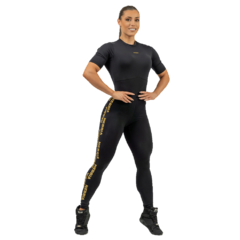
Nebbia Dámský sportovní overal INTENSE Focus 823
No posts have been made yet.








