





Who will BCAAs really help?
 Author:
 Branched-Chain Amino Acids, or BCAAs, are among the most popular supplements in the world of sports nutrition. Leucine, isoleucine and valine - these three essential amino acids are key to muscle growth, recovery and overall body performance. But who do BCAAs really help? And what do the latest scientific studies say? Let's dive into the world of BCAAs, where scientific insight, fitness lingo and the human approach to muscle recovery and growth intertwine.
Article content:
- What are BCAAs and how do they work?
- What are BCAAs and what they do?
- Who do BCAAs work best for?
- How do BCAAs work on a molecular level?
- Potential benefits of BCAAs confirmed by scientific studies
- How to take BCAAs correctly?
- Controversies and limitations
- Practical tips for getting the most out of BCAAs
What are BCAAs and how do they work?
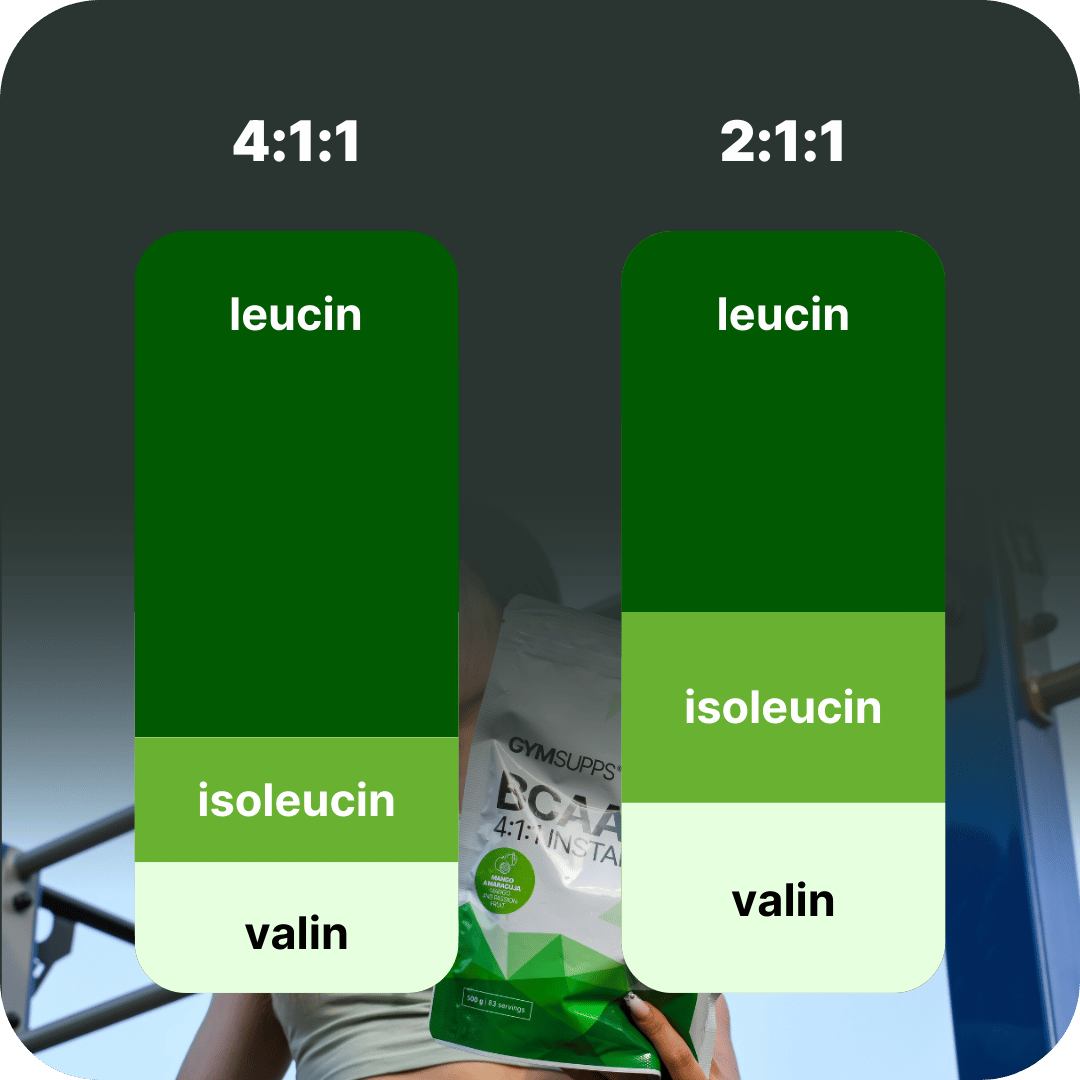
BCAAs represent three of the nine essential amino acids that we must obtain from our diet because the body cannot synthesize them on its own. Leucine, isoleucine and valine make up these key building blocks that play a vital role in stimulating muscle protein synthesis. While conventional proteins contain a full spectrum of amino acids, BCAAs are particularly valued for their direct effect on anabolic processes in muscles. In addition, leucine acts as a major trigger of protein synthesis, a property highly valued by athletes. During and after intense training, muscles break down, so supplementing with these essential nutrients is essential for rapid recovery and muscle growth.
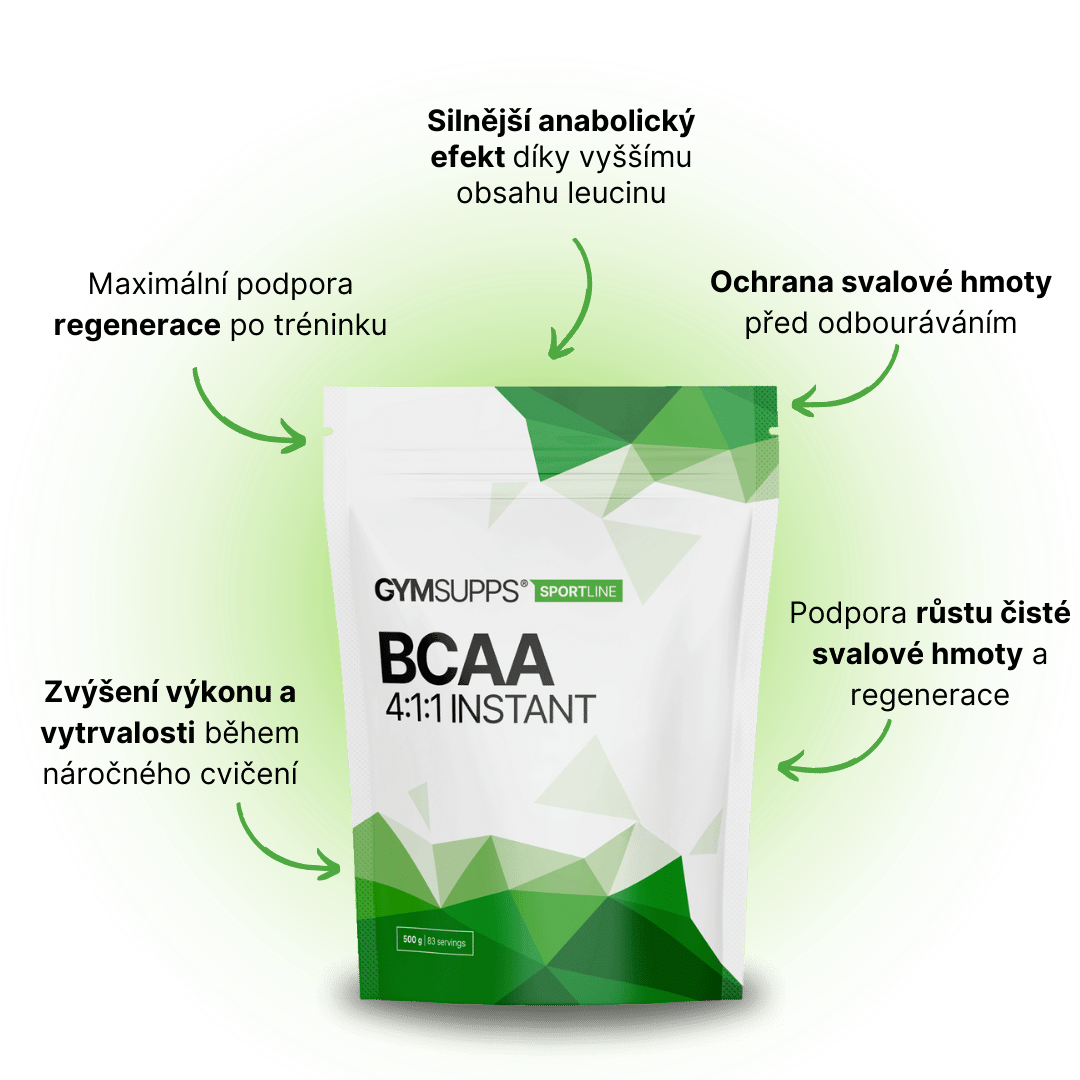.png)
Increase muscle synthesis and improve recovery
One of the main benefits of BCAAs is their ability to increase muscle protein synthesis. Scientific studies confirm that BCAA supplementation can shorten recovery time after a hard workout, reduce muscle fatigue and reduce muscle catabolism. Many athletes praise faster recovery and improved performance, which can be attributed primarily to the direct action of leucine, which stimulates the mTOR pathway-a key signaling mechanism for muscle protein synthesis.1
It has also been shown that BCAAs can reduce the incidence of muscle soreness after training, allowing for more frequent and intense training drives. In the context of modern training, where every repetition cycle and every minute of recovery plays a role, BCAAs are often used to allow athletes to train with less pain and improve the overall effectiveness of the training process.
Who do BCAAs work best for?
1. Athletes and bodybuilders
For athletes and bodybuilders, increasing muscle strength and improving recovery after intense workouts is one of the most important goals. BCAAs can be very useful for these individuals as they help them to quickly rebuild muscle mass and promote muscle fiber growth. For bodybuilders who utilize high-load training cycles, regular BCAA supplementation can significantly reduce the time needed for recovery between workouts, leading to better and more efficient muscle mass gains.
2. Endurance athletes
For athletes who engage in endurance activities such as running, cycling or triathlon, BCAAs are particularly useful in preventing muscle catabolism during long workouts. Endurance exercise often leads to increased breakdown of muscle protein, which can cause impaired performance and prolonged recovery. Thus, regular BCAA supplementation helps protect muscle mass, allows for better utilization of fat as an energy source, and promotes overall vitality during long bouts of exercise.
3. Older athletes and people with reduced muscle mass
With age, the body's ability to synthesize muscle protein naturally decreases, leading to loss of muscle mass (sarcopenia). BCAA supplementation can be a valuable intervention for older athletes and individuals experiencing muscle loss. Increasing BCAA intake helps maintain muscle mass, promotes recovery, and may help prolong an active lifestyle even in advanced age.
How do BCAAs work at the molecular level?
BCAAs are not just simple building blocks; they also act as signaling molecules that influence complex biochemical pathways. Leucine, for example, activates the mTOR pathway, which is responsible for initiating muscle protein synthesis. This pathway is one of the major regulatory pathways that determines how quickly and efficiently the body can regenerate and grow muscle. Isoleucine and valine then play supporting roles, by providing additional amino acids needed for the overall anabolic response. This synergistic interaction between the individual BCAAs ensures that the muscles do not enter a state of catabolism during training, but instead are stimulated to grow and adapt to the load.
Potential benefits of BCAAs confirmed by scientific studies
Increase in muscle protein synthesis
Studies show that BCAA supplementation can significantly increase the rate of muscle protein synthesis after exercise, leading to faster recovery and better muscle mass gain. According to research by Shimomura and colleagues, athletes who took BCAAs were characterized by faster recovery and lower rates of muscle damage.1
Prevention of muscle fatigue
Other studies have confirmed that BCAAs can reduce the incidence of muscle soreness and fatigue, allowing athletes to train more intensely and frequently without significant muscle catabolism. This is especially crucial for endurance athletes who face prolonged physical stress.2
Supporting mental performance
There is evidence that BCAAs can also have a positive effect on cognitive function. In situations where the body is physically and mentally exhausted, BCAAs can help improve concentration and reduce overall fatigue, contributing to better performance in challenging situations.3
Protection against muscle catabolism
BCAAs provide muscles with the amino acids needed to maintain anabolic balance, helping to protect muscle mass from breakdown. This effect has been confirmed by several randomized controlled trials showing that athletes taking BCAAs have lower rates of muscle catabolism after exercise.4
Overall improvement in recovery
The combined effect of BCAAs on protein synthesis, fatigue prevention, and cognitive support leads to faster post-workout recovery. Athletes who regularly take BCAAs experience faster recovery and the ability to train with less pain, contributing to long-term performance improvements.5

How to take BCAAs correctly?
Timing and dosage
Optimal timing of BCAA use is key to achieving their maximum effect:
- Pre-workout: taking BCAAs 15-30 minutes before exercise can provide the muscles with the necessary amino acids, thereby improving endurance and reducing muscle catabolism.
- During training: Some athletes prefer to consume BCAAs during exercise to ensure a continuous supply of amino acids to reduce fatigue.
- Post-workout: Taking BCAAs after training promotes muscle protein synthesis and speeds recovery.
The optimal daily dose is usually between 5 and 20 grams, depending on your training goals and body weight. It is important to follow the recommended dosage and tailor supplementation to your individual needs.
Combinations with other supplements
BCAAs are often combined with complete protein sources, such as whey protein, and other amino acids, such as glutamine, which together promote muscle recovery and growth. This combination can be particularly useful after intense workouts when muscles are subjected to heavy loads.
Controversies and limitations
While many studies support the effectiveness of BCAAs, some research suggests that their benefits may be less if the athlete is already consuming enough complete protein through diet or supplements. Complete proteins contain all of the essential amino acids, which can lead to similar effects to those of BCAAs on their own. Therefore, it is important to assess total protein intake, and not just BCAA supplementation, if the goal is to maximize muscle recovery and growth.
Another aspect to consider is individual variability. For some individuals, BCAA supplementation may provide significant benefits, while others who have optimal nutritional status may not experience significant improvements. It is therefore essential to approach BCAA use with specific needs and training regimen in mind.
Practical tips for getting the most out of BCAAs
- Plan your supplementation: incorporate BCAAs into your training plan - take them before, during or after training, whichever works best for you.
- Watch your overall protein intake: If your diet already contains enough quality protein, BCAAs can serve more as a supplement for extra recovery support.
- Combine with hydration: be sure to drink plenty of water, as proper hydration improves amino acid absorption.
- Experiment with timing: everyone responds differently - try taking BCAAs at different intervals to find what works best for you.
- Consult an expert: If you have specific training goals or health conditions, consult a nutritionist to optimize supplementation.
Conclusion
BCAAs can be a valuable tool for athletes, bodybuilders, and anyone trying to recover faster and maintain muscle mass. Their ability to increase muscle protein synthesis, reduce muscle fatigue, and protect muscles from catabolism is supported by numerous scientific studies. However, as it happens, the effects of BCAAs are not universal and depend on overall protein intake and individual needs. The key is to find the right balance and timing that allows you to use them to their full potential. Approach supplementation smartly, follow recommended dosages and monitor how your body responds so you can maximize your athletic performance and recovery.
The synergistic effects of BCAAs, especially when combined with complete protein sources, can be the key to reaching your athletic potential. It doesn't matter if you're an endurance athlete, strength athlete, or just someone looking for a way to strengthen your muscles and improve recovery - properly applied BCAAs can be the added "boost" you need.
Recommended
Nutrend BCAA 4:1:1 Powder
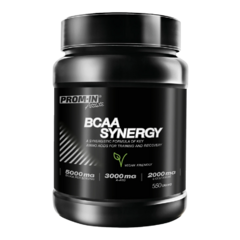
Prom-in BCAA Synergy
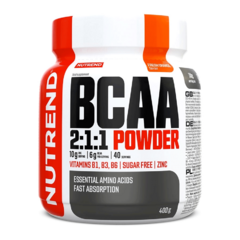
Nutrend BCAA 2:1:1 Powder
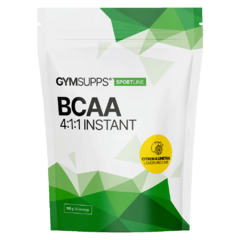
GymSupps BCAA 4:1:1 Instant
Links to studies
- Shimomura, Y., et al. (2004). Branched-chain amino acid supplementation increases the rate of protein synthesis in muscle during recovery from resistance exercise. Journal of
- Wolfe, R.R. (2000). The underappreciated role of muscle in health and disease. American Journal of Clinical Nutrition.
- Blomstrand, E., et al. (2006). Effects of branched-chain amino acids on skeletal muscle protein metabolism. Journal of Physiology.
- Crozier, S.J., et al. (2005). Essential amino acids and muscle protein synthesis in response to exercise. Current Opinion in Clinical Nutrition and Metabolic Care.
- Mazzulla, C., et al. (2010). The effect of BCAA supplementation on muscle recovery: A review. Sports Medicine.
No posts have been made yet.








