





When and how to use multi-ingredient protein for maximum effect?
 Author:
 Protein is the lifeblood of every passionate athlete and fitness enthusiast's culture - it's the fuel that builds muscle, restores the body after training and contributes to overall recovery. But simply mixing protein may no longer be enough for some. A multi-ingredient protein complex that combines different forms of protein sources is the ultimate solution for those who want to squeeze the most out of every training session. That's why in this article, we'll take an in-depth look at when and how to use multi-ingredient protein to get the maximum anabolic effect, all with a scientific overlay that even the most experienced enthusiasts will appreciate.
Article Content:
- Why is multi-ingredient protein a "game changer"?
- How best to use multi-ingredient protein?
- How does multi-ingredient protein work?
- When to take multi-ingredient protein?
- What is the best way to take multi-ingredient protein?
- Scientific studies that confirm the benefits of multi-ingredient protein
Why is multi-ingredient protein a "game changer"?
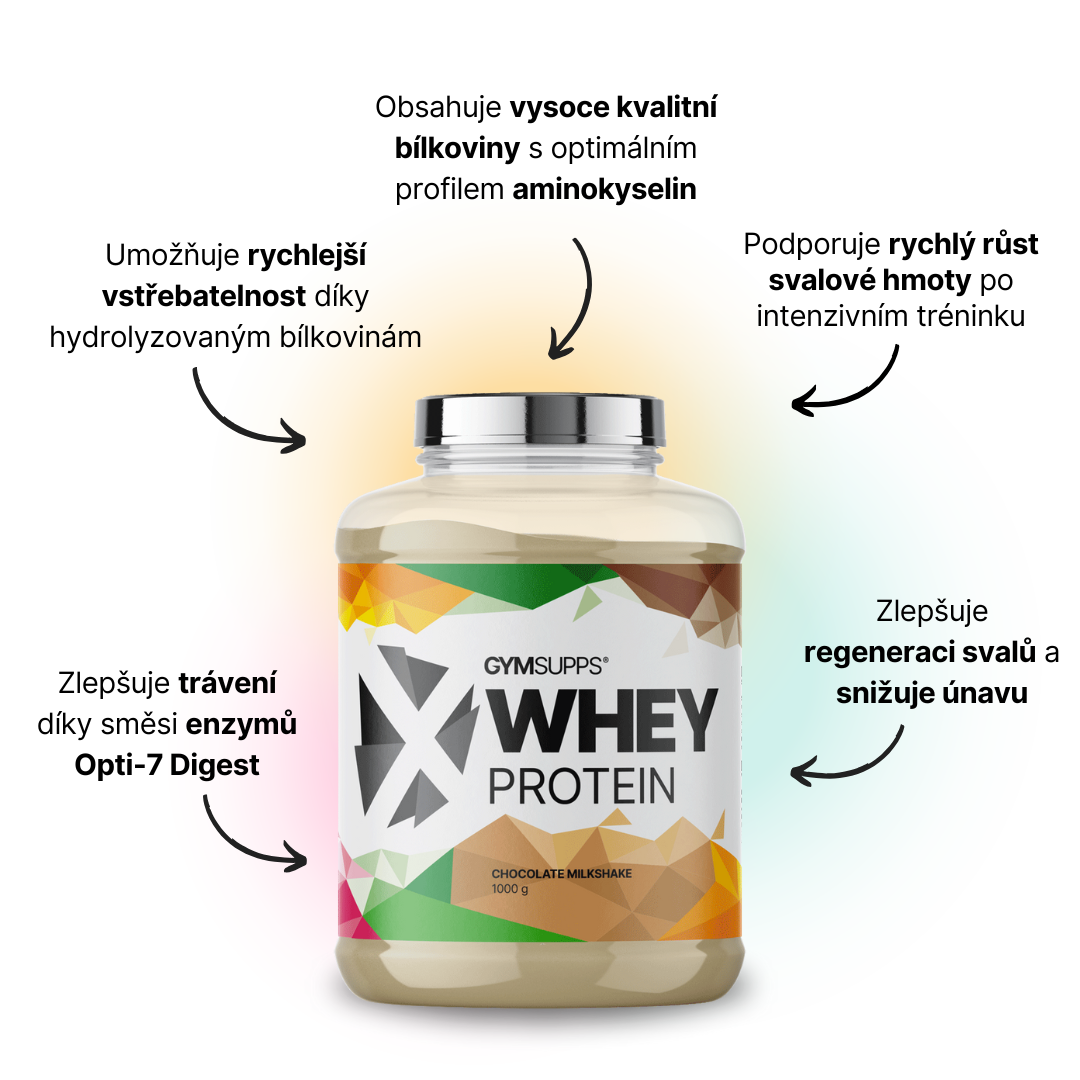
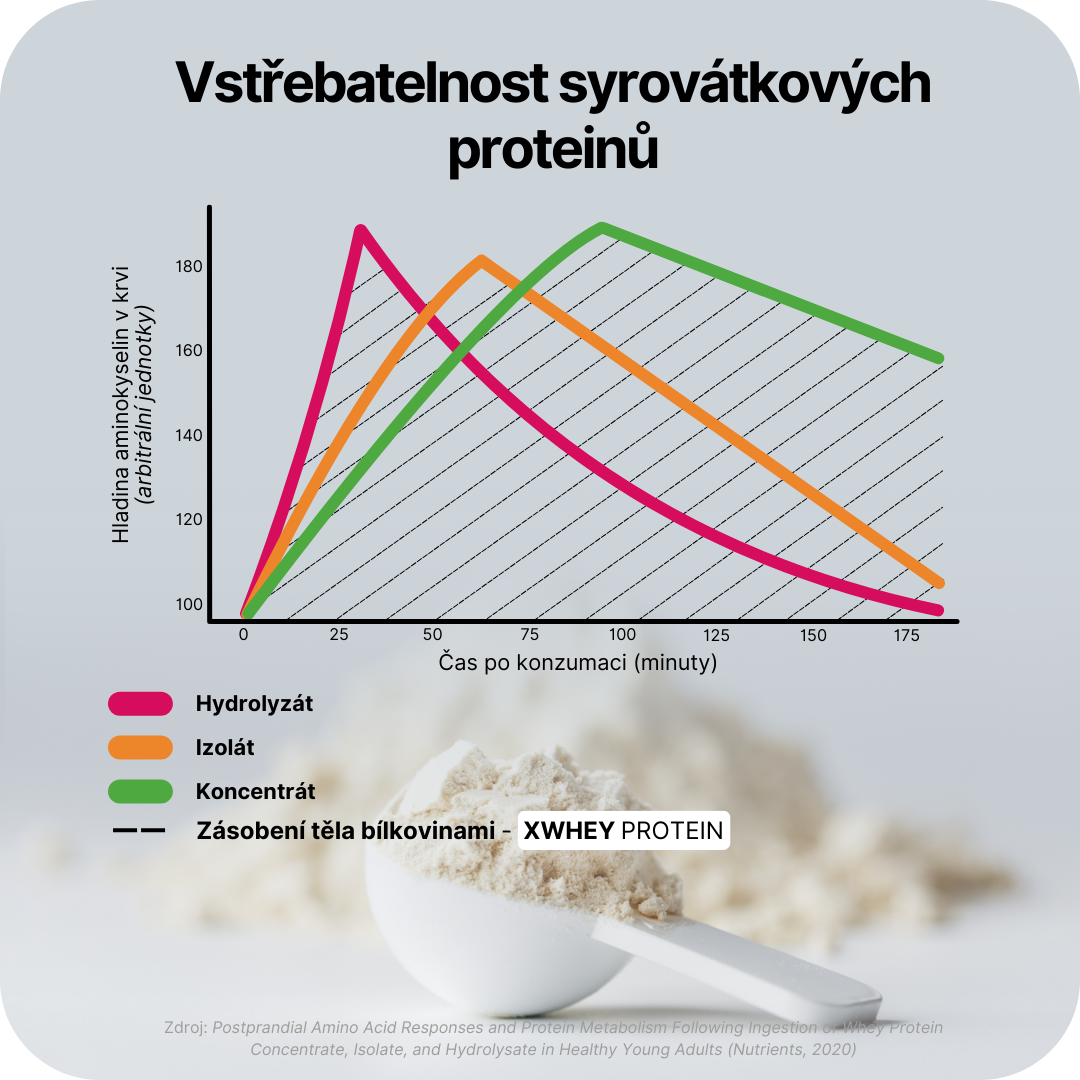
There has long been talk of protein shakes and bars, but modern supplementation is trying to go far beyond simple protein isolates or concentrates. Multi-ingredient protein supplements integrate a variety of protein sources with different absorption rates - from extremely fast hydrolyzed protein, to pure isolate, to traditional concentrate. This combination allows you to immediately supply your muscles with rapidly available amino acids while ensuring a gradual release of nutrients over an extended recovery period. The result is effective use of the "anabolic window" and longer support for muscle protein synthesis. This is exactly what you need when you want to get the most out of every workout.
How does multi-ingredient protein work?
Fast vs. slow absorption
Imagine your muscles are like a reservoir that needs to be filled as quickly as possible, while maintaining its level throughout the day. Hydrolyzed protein, due to its low molecular weight, is absorbed in a flash, making it ideal immediately after a workout when your muscles need an immediate influx of amino acids. On the other hand, the isolate and concentrate are absorbed gradually, ensuring a long-term supply of the same amino acids throughout the recovery period. This synergy is the basis of a multi-ingredient protein that maximizes the effectiveness of supplementation and takes advantage of every moment your muscles are working to recover and grow.
A scientific perspective
Studies confirm that combining protein fractions with different absorption rates significantly promotes muscle protein synthesis. For example, a study by Ivy et al. (2002) found that proper timing of nutrient intake is key to enhancing performance and recovery1. Other research by Tipton and Wolfe (2004) shows that combined supplementation of different protein sources can improve the anabolic response of muscles after training2. Additionally, Aragon and Schoenfeld (2013) have highlighted in their studies the importance of maintaining optimal protein levels over the long term for maximal muscle protein synthesis3. These scientific findings have a direct impact on how you should approach supplementation.
When to take multi-ingredient protein?
Anabolic window
You'll get the greatest benefits from protein supplementation if you take advantage of the so-called "anabolic window", which typically opens 30-60 minutes after a workout. During this period, your muscles are extremely sensitive to amino acid delivery, which promotes rapid muscle protein synthesis and recovery after exercise. Immediate use of hydrolyzed protein will provide a rapid influx of nutrients and the isolate or concentrate will provide ongoing support, keeping you covered for both short and long term recovery.
Other suitable times
Apart from the post-workout period, multi-ingredient protein can be taken as a snack between main meals or even as part of breakfast or dinner. This will ensure a constant positive protein balance, which is essential for continuous muscle growth throughout the day. Pre-workout use is also possible if you have a light carbohydrate-rich snack to help provide energy to start your workout.
What is the best way to use multi-ingredient protein?
Preparation and mixability
Not only the effectiveness of the protein itself is important, but also its absorbability. Modern multi-ingredient proteins are usually made to be easily measured in water or in a smoothie, making them easier to consume. Make sure you grind the protein powder well and don't have any lumps - a clean consistency is the key to success.
Combination with other nutrients
For maximum effect, you can combine multi-ingredient protein with fast-absorbing carbohydrates, for example by adding fruit or maltodextrin to your shake. This combination will boost the insulin response, which will improve the transport of amino acids into the muscles. Sometimes it is also advisable to add other supplements, such as BCAAs or creatine, to synergistically support muscle growth and recovery.
Practical tips for use
- Post-workout: The most important thing is to take protein within 30-60 minutes after your workout. This is the time when your muscles need immediate nutrient replenishment for recovery.
- Split the dose: If you tend to consume larger doses, split them into two smaller portions - an immediate dose after your workout and another after a few hours.
- Mix with your favorite beverage: Experiment with different liquids such as water, almond milk or coconut water to find the ideal taste and consistency.
- Pre-workout: If you opt for pre-workout supplementation, choose a smaller dose along with a light snack so you don't overload your digestive system.
- Consistency is the key to success. Take protein daily and ensure it is part of your regular eating regime.
Scientific studies that confirm the benefits of multi-ingredient proteins
Studies have repeatedly shown that combining different protein fractions promotes longer and more efficient muscle protein synthesis. Ivy et al. (2002) highlighted the importance of nutrient timing in muscle recovery, which is essential for the use of multi-component protein post-workout1. Tipton and Wolfe (2004) pointed out in their work that different forms of protein - rapidly absorbed and more slowly absorbed - can work together to enhance the anabolic response of muscles after exercise2. Aragon and Schoenfeld (2013) confirmed that continuous protein supplementation leads to significant increases in muscle mass and reduced recovery time3. These scientific findings support the strategy of taking multi-ingredient protein for maximum effect.
Conclusion
If you're looking to push your training limits and optimize recovery, a multi-ingredient protein supplement is an essential tool in your fitness diet. With a combination of rapidly absorbed and gradually released protein fractions, you can harness the full potential of the anabolic window and support the continuity of muscle protein synthesis. Taking protein post-workout, or split into two doses throughout the day, will ensure that your muscles have a steady supply of amino acids, leading to better recovery, growth and overall performance.
Remember, the real benefit of supplementation is not just in the product itself, but in its proper timing, combination with other nutrients and a balanced diet. Use these proven tips, experiment and tailor your regimen to your individual needs to get maximum benefit and push your limits to a whole new level. With a scientific and practical approach, you can strengthen not only your muscles, but also your overall vitality and energy, all with a smile on your face and respect for your own body.
Recommended
Prom-in Pentha Pro Balance
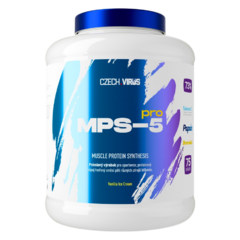
Czech Virus MPS-5 Pro
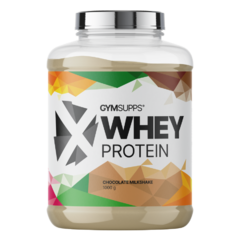
GymSupps XWhey Protein
Study references:
- 1) Ivy, J.L., et al. (2002). Nutrient timing: the means to improved exercise performance, recovery, and training adaptation. Journal of Sports Sciences.
- 2) Tipton, K.D., Wolfe, R.R. (2004). Protein and amino acids for athletes. Journal of Sports Sciences.
- 3) Aragon, A.A., Schoenfeld, B.J. (2013). Nutrient timing revisited: is there a post-exercise anabolic window? Journal of the International Society of Sports Nutrition.
No posts have been made yet.








