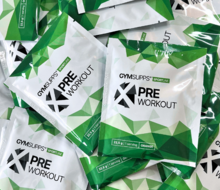
What is pre-workout and what is it for
 Author:
2. Substances for "pump" and blood flow: feel like a superhero
- Citrulline Malate: One of the most effective substances for increasing nitric oxide (NO) production in the body. NO dilates blood vessels, leading to better blood flow to the muscles. The result is a "pump" (feeling of pumped muscles), better nutrient delivery and metabolite removal.
- Arginine: Another precursor to nitric oxide, although its effectiveness in oral form is lower than that of citrulline malate because it is heavily metabolized in the liver.
- Beta-Alanine: An amino acid that is converted to carnosine in the body. Carnosine acts as a buffer and helps neutralize lactic acid that builds up in the muscles during intense exercise. This improves endurance and delays muscle fatigue. A typical side effect is "tingling" (paresthesia), which is harmless and temporary.
- Glycerol monostearate: Helps retain water in the muscles, which can contribute to feeling pumped up and hydrated.
3. Substances for strength and power: Stronger, faster, better
- Creatine: One of the most researched and effective substances in dietary supplements. It increases the availability of ATP (adenosine triphosphate), the main energy currency of muscles. In addition, it can improve strength performance, explosiveness and promotes muscle growth. Pre-workouts usually contain smaller doses of creatine, as muscle saturation is needed for full effect, which requires regular use.
- Betaine (Trimethylglycine).
- Taurine: An amino acid that plays a role in electrolyte regulation and cell hydration. May help with performance and reducing muscle cramping.
4. Adaptogens and nootropics.
- Rhodiola Rosea (Rose Hip): Adaptogen that helps the body adapt to stress. It can improve physical and mental performance and reduce fatigue.
- Ginseng (Panax Ginseng): Another adaptogen that can promote energy, vitality and reduce fatigue.
- L-Tyrosine, Alpha-GPC: These substances may improve cognitive functions such as concentration, memory and reaction time.

What is the purpose of pre-workout in practice?
Pre-workout is not a necessity for everyone, but it can be a useful tool for certain situations and goals:
- When you feel tired or out of energy: after a long day at work, lack of sleep, or simply when you need a "kick" to your workout.
- For intense workouts.
- For stagnant workouts: If you feel like you can't push yourself any further, a pre-workout can provide the boost you need to break through plateaus.
- To improve concentration: if you have trouble focusing on your workout or find your mind easily distracted during it.
- When you're dieting or in a rut: When you're in a calorie deficit, your energy is often low. Pre-workout can help maintain performance and motivation.
- For morning workouts: When you need to wake up your body and mind quickly and don't have time for a full breakfast.
Recommended
How to take pre-workout? Dosage and safety
When taking pre-workout, it is crucial to follow the recommended dosage and be mindful of safety.
- Start with a smaller dose: Especially if you are starting out with pre-workouts or trying a new product. You don't want to overdose on stimulants right from the start.
- Follow the recommended dosage. Do not ignore them.
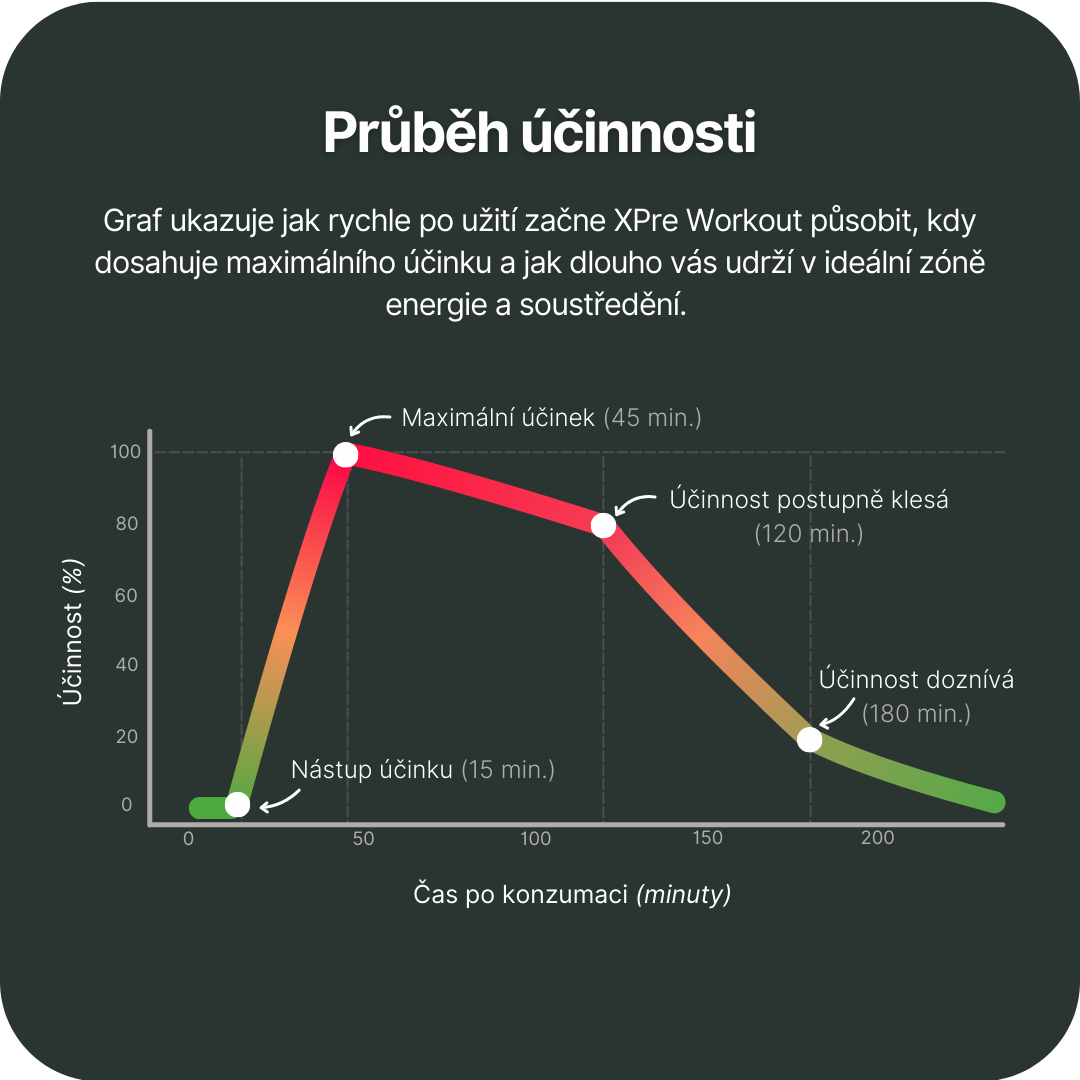
- Take 20-30 minutes before your workout: This is usually enough time for the active ingredients to be absorbed and begin to work.
- Do not take too late in the evening: the caffeine content can disturb sleep. Ideally, avoid taking a pre-workout 4-6 hours before bedtime.
- Cycling: Some people recommend cycling pre-workouts (e.g., taking them for 4-6 weeks and then taking a break). This helps prevent the body from adapting to the stimulants and maintain their effectiveness.
- Hydration: Pre-workouts can be diuretic, so it's important to drink plenty of water during your workouts and throughout the day.
- Consult a doctor: If you have any medical conditions (especially heart disease, high blood pressure, anxiety disorders) or are taking medication, consult your doctor before taking a pre-workout.
.png)
Potential side effects and risks
Although pre-workouts are generally safe when used properly, it is important to be aware of potential side effects:
- Nervousness, anxiety, tremor: Especially with higher doses of caffeine.
- Insomnia: If taken too late in the evening.
- Digestive problems: upset stomach, diarrhea.
- Increased heart rate and blood pressure: In persons sensitive to stimulants.
- "Tingling" (paresthesia): Caused by beta-alanine, harmless.
- "Crash" after exercise: Some people may experience fatigue and exhaustion after the pre-workout effect wears off.
- Stimulant dependence: May lead to feeling like you can't train without the pre-workout.
Conclusion: is pre-workout for you?
A pre-workout can be a great supplement for those looking to maximize their training potential, overcome fatigue, or improve focus. However, it's not a miracle pill that will replace a solid diet, adequate sleep, and consistent training.
Ask yourself the following questions before buying and taking a pre-workout:
- Do I really need it? Can't I improve my training in other ways (sleep, diet, proper technique)?
- What is my goal? Do I need more energy, a pump, strength, or all of the above?
- Am I sensitive to stimulants? If so, choose a pre-workout with less or no caffeine.
- Did I read the ingredients? Do I know what I'm putting in and what effects to expect?
- Will I adhere to the dosage?
If you answer these questions thoughtfully and the pre-workout helps you achieve your fitness goals without negative health impacts, then it can be a valuable tool for you. Always listen to your body and be responsible. And remember, the most important thing is always to take a consistent and intelligent approach to your training and lifestyle.
No posts have been made yet.