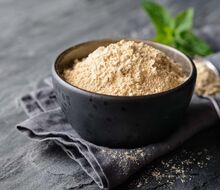
What are the effects of maca on women?
 Author:
 Maca (Lepidium meyenii) is a plant native to the high mountain regions of the Peruvian Andes that has gained considerable popularity as a dietary supplement in recent years. While it has been used in traditional medicine for centuries, modern scientific studies are gradually revealing its potential effects on hormonal balance, sexual function, mental state and other aspects of health. In this article, we'll take a detailed look at what effects maca can have on women, how it should be taken, and what to watch out for. We draw on available scientific studies and sources to support our claims.
Article Content:
- Origin and characteristics of maca
- Composition and mechanism of action
- Effects on hormonal balance and reproductive health in women
- Maca and sexual function in women
- Maca and psychological well-being
- Possible side effects and safety
- Methods of use and practical tips
Origin and characteristics of maca
Maca is a low plant with a tuberous root that is cultivated at high altitudes (3,500 to 4,500 m) in the Peruvian Andes. The root is traditionally eaten boiled, roasted or dried and ground into a powder that is now available worldwide. This plant is often referred to as "Peruvian ginseng" because it has been used in folk medicine to promote energy, stamina and overall health.1
Today, maca is usually consumed in powder, capsule or tablet form. It is of particular interest to women because of its potential effects on hormonal balance, libido, fertility and psychological well-being. Although more research is needed, early results suggest that this plant may benefit a wide range of needs and goals.2
Composition and mechanism of action
Maca contains a number of bioactive compounds such as macaemins, macains, alkaloids, sterols, flavonoids and other compounds that may influence various processes in the body. Some of these compounds are thought to act on the hypothalamic-pituitary axis, a key regulatory system for hormone production.3
Key bioactive components
- Macaemis and macaenes: These compounds are specific to maca and may influence energy metabolism and mood.
- Alkaloids: Some alkaloids have been associated with supporting hormonal balance and possible effects on the reproductive system.
- Vitamins and minerals: Maca contains B vitamins, vitamin C, iron, calcium and other minerals that may contribute to overall vitality and health.
However, the mechanism of action of maca is not fully understood. Scientific studies suggest that maca may help modulate hormone levels without directly increasing estrogen or other hormones. This is why it is often referred to as an adaptogen, a substance that supports the body's adaptation to stress and helps maintain balance.4
Effects on hormonal balance and reproductive health in women
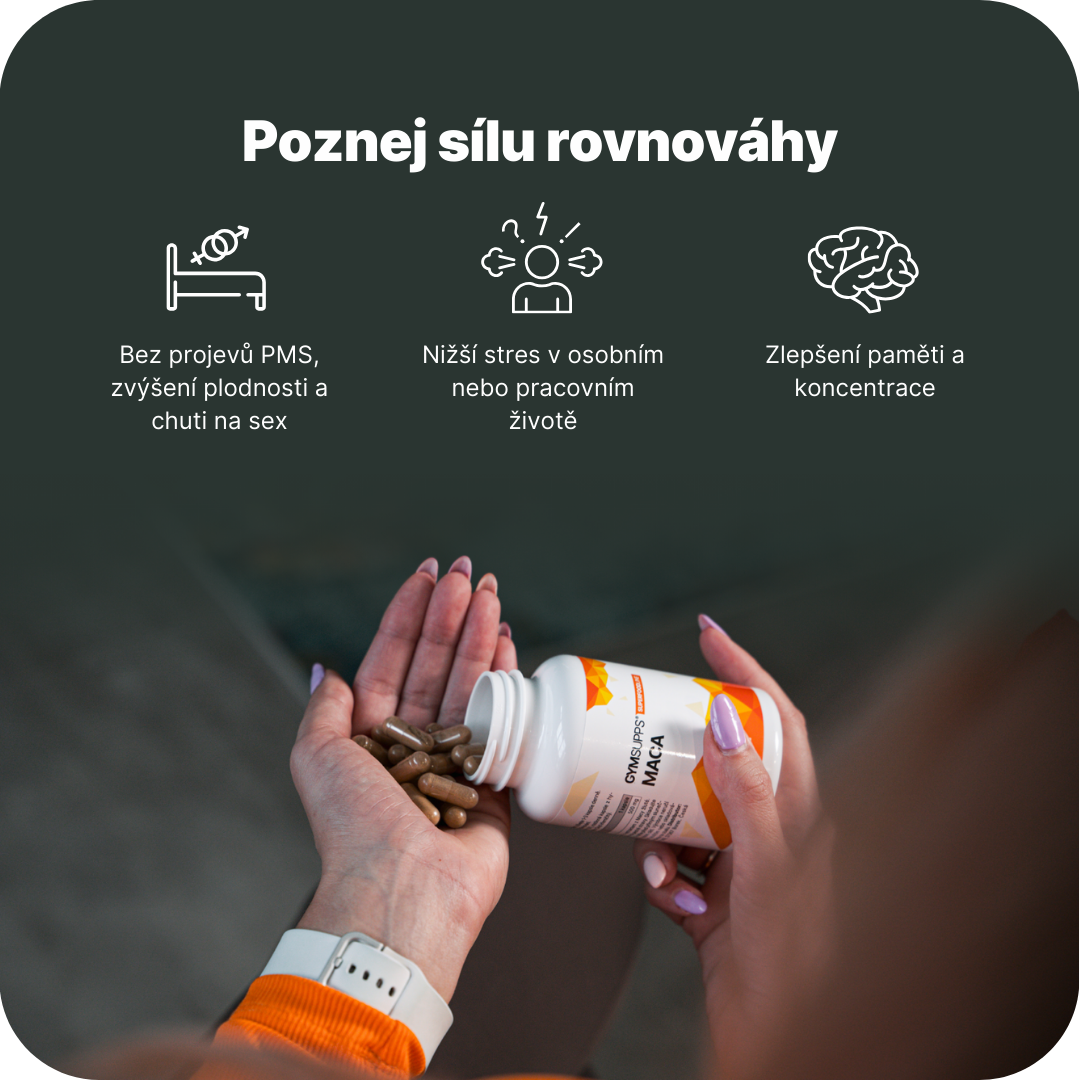
For women, maca is of particular interest because of its potential effects on the hormonal system, the menstrual cycle and reproductive function. Some studies have shown that maca use can lead to the alleviation of unpleasant symptoms associated with hormonal imbalances, such as mood changes, fatigue or hot flashes during perimenopause and menopause.5
Supporting reproductive health
- Fertility: Traditional medicine credits mace with the ability to promote fertility, although scientific evidence on this topic is still limited. However, several studies suggest that maca may improve the quality of sex cells and increase libido, which may indirectly affect fertility.2
- Menstrual cycle: Due to its adaptogenic properties, maca may help to stabilise hormone levels and thus contribute to a more regular menstrual cycle.
Maca vs. hormone therapy
Unlike synthetic hormones, maca does not contain direct hormonal substances, but rather acts on the body's regulatory system. Some women therefore choose maca as a natural alternative to hormone replacement therapy, but it is important to remember that the effects can be individual and slower than with synthetic products.3 It is always advisable to consult a specialist, especially if you are taking hormonal medication.
Maca and sexual function in women
Another area where maca can have a positive effect is sexual function and libido. Studies suggest that regular maca supplementation may increase sexual desire, improve lubrication, and reduce some forms of sexual dysfunction associated with fatigue or stress.6
For women who experience decreased sexual appetite or discomfort associated with hormonal fluctuations, maca can be a natural remedy to support their mental and physical well-being. The mechanism likely lies in maca's ability to influence neurotransmitters such as dopamine and serotonin while stabilizing the hormonal axis without significantly interfering with estrogen levels themselves.

Maca and mental state
In addition to its physical aspects, maca is often associated with improving mood and stress resistance. The adaptogenic effect of maca is to support the body's ability to cope with physical and mental stress. Women may experience a reduction in fatigue, improved concentration and overall mental well-being. Some research suggests that maca may help stabilize levels of cortisol, the "stress hormone," which is key to coping with mental stress and maintaining high performance.4
Possible side effects and safety
Although maca is generally considered safe, there are several aspects to keep in mind:
- Individual reactions: each organism may react differently. Sensitive individuals may experience mild indigestion or nervousness, especially if the dose is too high.
- Hormone-sensitive conditions: Women with hormone-related problems (e.g., endometriosis, fibroids) should consult a physician when taking maca to avoid unwanted interactions.
- Combinations with medications: If you are taking medication to adjust your hormonal system, it is advisable to consult a specialist before taking maca to avoid possible contraindications.
However, most users report good tolerability and the advantage is that maca does not directly contain any hormonal substances, but rather has an adaptogenic effect on the regulatory systems in the body.
Methods of use and practical tips
- Form: Maca is available in powder, capsule or tablet form. The powder can easily be added to smoothies, yogurt or porridge, while the capsules and tablets are convenient for quick consumption.
- Dosage. Some users may try higher doses (3-5 grams), but it is advisable to start with a lower dose and gradually increase it according to individual tolerance.
- Timing.
- Cycling: some experts recommend "cycling" maca, i.e. taking regular breaks (e.g. 1 week off after 3 weeks of use) to prevent the body from adapting and to preserve the adaptogen's effect.
- Combination with other supplements: maca can be combined with other adaptogens (e.g. ashwagandha, rhodiola) or supplements (e.g. BCAA, creatine) if the aim is to support energy and recovery.
Conclusion
Maca (Lepidium meyenii) is an adaptogenic plant that may have a range of benefits for women - from supporting hormonal balance, to improving sexual function, to positively affecting mental state. Scientific studies suggest that maca may help alleviate some of the symptoms associated with hormonal fluctuations while promoting energy and performance.2,4,6 Although it is generally considered safe, it is always advisable to consider individual reactions and consult a doctor or nutritionist when in doubt.
For women who are involved in sports or an active lifestyle, maca may be an interesting supplement that will contribute to better recovery, increased energy and support mental resilience. In addition, it is advisable to combine maca with a balanced diet, quality training and sufficient rest to ensure the best overall effect. In terms of supplementation, it is important to follow the recommended dosage, form (powder, capsules, tablets) and timing in order to take full advantage of the potential benefits of this unique Peruvian plant.
Recommended
Links to studies
- 1) Gonzales, G. Ethnobiology and ethnopharmacology of Lepidium meyenii (Maca), a plant from the Peruvian Highlands. Evidence-Based Complementary and Alternative Medicine.
- 2) Shin, B. C., et al. (2010). Maca (Lepidium meyenii) for treatment of menopausal symptoms: a systematic review. BMC Complementary and Alternative Medicine.
- 3) Brooks, N. A., et al. (2008). Beneficial effects of Lepidium meyenii (Maca) on psychological symptoms and measures of sexual dysfunction in postmenopausal women are not related to estrogen or androgen content. Menopause.
- 4) Meissner, H. O., et al. (2006). Use of Gelatinized Maca (Lepidium peruvianum) in Early Postmenopausal Women-A Pilot Study. International Journal of Biomedical Science.
- 5) Gonzales, G. F., & Gonzales-Castañeda, C. (2009). Lepidium meyenii (Maca): a plant from the highlands of Peru-from tradition to science. Journal of Ethnopharmacology.
- 6) Shin, B. C., et al. (2010). Maca: an overview of its reported benefits on sexual function and libido in men and women. Journal of Sexual Medicine.
No posts have been made yet.