





The Brutal Truth About Dietary Supplements—What Actually Works, and What's Just an Expensive Placebo?
 Author:
 Most exercisers don’t need a bigger shelf for dietary supplements, but rather fewer products with a better rationale for why they should actually take them. The supplement market is designed to make every deficiency you have seem like a critical problem: after all, you need more energy, a better pump, faster recovery, deeper sleep, hormone optimization, and fat burning. The result is a dozen different supplements, an empty wallet, and zero progress.
This article serves as a strict filter. A supplement deserves a place in your diet only if it addresses a specific problem, has proven effects, fits within your budget, and doesn’t distract you from what matters most: food, sleep, and progressive training. The basics aren’t exactly glamorous. And that’s exactly the point.
Article Contents:
- What Makes a Supplement Useful?
- Whey protein: Is it even necessary?
- Creatine monohydrate: Still the king of performance
- Caffeine: Pre-Workout Energy
- Vitamin D and Omega-3: Health Comes First
- Magnesium and Electrolytes
What Makes a Supplement Useful?
It makes sense to take a supplement when it addresses a specific “bottleneck” better than diet, sleep, or training adjustments alone. Protein powder addresses practicality and convenience. Creatine boosts performance. Caffeine provides immediate alertness. Vitamin D addresses deficiencies in the blood caused by diet or lack of sun exposure. Random, overpriced blends with unclear ingredients solve almost nothing.
Our filter for choosing a dietary supplement:
- Problem: What measurable gap does this product fill?
- Serving Size: Does one serving correspond to a scientifically supported dosage?
- Label: Can the active ingredient and its exact amount be easily identified?
- Risks: Are there any issues with stimulants, digestion, or drug interactions?
- Cutoff Rule: What result would make you stop buying this product?

1. Whey Protein: Is it even necessary?
Protein powder isn’t essential if you’re already meeting your daily protein intake goal through your regular diet (meat, eggs, cottage cheese, etc.). However, it becomes a huge help when food isn’t enough, you have a poor appetite, you’re traveling, or you have trouble eating a substantial portion of protein in the morning. For most exercisers aiming for muscle growth, the ideal daily goal is roughly 1.6 to 2.2 grams of protein per kilogram of body weight.
Think of protein as a convenience tool. A scoop added to Greek yogurt, oatmeal, or a smoothie can transform a nutritionally lacking meal into a highly anabolic one.
2. Creatine Monohydrate: Still the King of Performance
Creatine monohydrate remains the most easily justifiable supplement for strength athletes. It’s inexpensive, extremely well-researched, and has been proven to support strength and muscular explosiveness by helping to replenish phosphocreatine stores in the muscles.
The typical daily dose is 3 to 5 grams. For most people, no initial “loading” phase is necessary. Keep it simple—pure monohydrate is the foundation. Various gummy candies, HCl, buffered forms, and special blends may sound innovative, but they often just hide smaller doses of creatine at an inflated price.
3. Caffeine: Pre-Workout Energy
Caffeine can improve alertness, reduce the perception of exertion, and significantly boost performance. But it doesn’t come without a cost. Research shows that the benefits are achieved at a dose of 3 to 6 milligrams per kilogram of body weight. Many exercisers, however, should start at a much lower dose to avoid nervousness, anxiety, or heart palpitations.
The most underrated rule for caffeine use is timing. A great pre-workout supplement with a high caffeine content taken at 6:00 p.m. will turn into your worst enemy by midnight. If caffeine improves your workout today but ruins your sleep tonight, the trade-off isn’t worth it.
Recommended


Creatine Monohydrate 500g 1+1
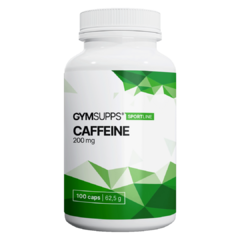
GymSupps Caffeine
4. Vitamin D and Omega-3: Health Comes First
- Vitamin D: It makes sense to take a supplement if your dietary intake, sun exposure, or blood tests indicate a deficiency. It is critical for bone health, immunity, and muscle function. Most people are deficient in it, especially from fall through spring.
- Omega-3: Supplementation makes sense if you eat few fatty fish (salmon, mackerel, sardines). Always check the label for EPA and DHA content, not just the “total fish oil” value. Even a giant capsule may sometimes contain only a bare minimum of these important nutrients.
5. Magnesium and Electrolytes
These supplements depend heavily on the context of your training. Magnesium can help if your diet is low in it and you suffer from cramps, but it’s not a magic cure for insomnia or a guaranteed “testosterone booster.” Electrolytes make sense when you’re losing a lot of fluid through sweat—during long workouts, exercising in the summer heat, or for endurance athletes. The average exerciser who completes a 45-minute workout in an air-conditioned gym really doesn’t need an expensive electrolyte mix for every set.
Recommended


GymSupps Omega 3
What should beginners avoid?
Beginners should steer clear of the following products:
- Testosterone boosters
- Fat burners
- BCAAs and EAAs (if you’re eating enough high-quality protein, you have more than enough of them)
These products sell dreams and a sense of urgency, not measurable value or results.
How to create a supplement plan without wasting money?
Build your plan gradually, layer by layer:
- First, get your calories and protein from real food in order.
- Add protein powder, but only if you’re unable to get enough protein from your diet.
- Add 3–5 g of creatine monohydrate daily for maximum strength.
- Use caffeine only before your hardest workouts, and do so in a way that doesn’t disrupt your sleep.
- Consider Vitamin D, omega-3, or magnesium if you have a confirmed deficiency based on test results or if you have dietary habits that put you at risk.
Test each new supplement (except for fast-acting caffeine) for 4 to 8 weeks. Track real results—are you lifting heavier weights? Do you feel better? If you can’t measure any results, you’re probably just paying for a placebo and a false sense of security.
Final Summary
Supplements are meant to support your training, not replace it. The perfect dose of creatine won’t save a senseless training plan. The most expensive protein won’t save a diet where you consume only 70 grams of protein a day. Even the strongest pre-workout won’t erase your chronic sleep debt. A simple and consistent approach simply wins out.
Before you buy another plastic container, write down on a piece of paper the problem it’s supposed to solve. If the answer is evasive and unclear, you’re better off fixing your diet, sleep, and training discipline. A small shelf with supplements that serve a clear purpose will always beat a full cabinet built on empty hopes.

No posts have been made yet.








