





Protein bar or just a marketing gimmick? We reveal the truth under the wrapper!
 Author:
 Protein bars have become a symbol of the modern fitness lifestyle. They are in every gym, at petrol stations and at supermarket checkouts. We reach for them when we can't finish our lunch, after a workout or when we're feeling hungry. We believe we are doing something for our health.
But the reality is that, in the vast majority of cases, we are paying a lot of money for 'glorified sweets' that only masquerade as healthy food thanks to clever marketing.

What's under the wrapper? (Market Analysis)
The APC (Arnold's Pump Club) team decided to take a look under the hood of this billion dollar business. Instead of believing the flashy front-of-package claims, they analyzed the ingredients of the 10 best-selling protein bars on Amazon. The results were alarming:
- First ingredient rule: In food, ingredients are listed in descending order of quantity. Of the top 10 bestsellers, only one single bar had a high-quality protein source in the top spot.
- Chocolate over protein: In a broader survey of 83 high-protein snacks, a full 38% of products had chocolate, not protein, listed as the main ingredient.
What this means in practice is that you're not buying a protein bar with a bit of chocolate, but a chocolate bar with a bit of protein powder mixed in so the manufacturer can label it 'fitness'.
Sugar Trap: Worse than Snickers?
Many people eat protein bars thinking they're avoiding sugar. The opposite is often true. Manufacturers often mask poor quality ingredients and make up for the taste with huge amounts of sweeteners.
The text gives a specific deterrent example:
- Gatorade protein bar: Contains 28 grams of sugar.
- The classic Snickers bar: Contains less sugar than the aforementioned "sports" bar.
When you eat such a bar, your body will not experience a steady supply of amino acids for recovery. Instead, there will be a sharp rise in blood sugar (insulin spike) followed by a rapid crash. What feels like "energy" is just a sugar high, soon followed by fatigue and more hunger.
The problem of "nutritional ballast"
Another trick of manufacturers is the ratio of calories to protein. For a regular bar to reach the magic 20 grams of protein, it often needs to contain more than 300 calories. These extra calories come from cheap fats, sugars and fillers. So you're eating a lot of "wasted energy" just to get some protein.
As a counterpoint and an example of what this should look like, the text mentions the new David brand bar. It shows that technology has advanced:
- It contains 28 grams of protein.
- It has only 150 calories.
- It contains 0 grams of sugar.
This abysmal difference shows how inefficient conventional supermarket bars are. While a quality candy bar is pure fuel, a regular one is fuel mixed with garbage.
How not to be fooled? (Shopping Manual)
If you don't want to waste money on candy in disguise, follow these three rules:
- Ignore the front of the package: Labels like "Fit," "Active" or "Healthy" carry no legislative weight. They are just advertisements.
- Look for protein first: Flip the bar over and look at the ingredients. The first word should be the protein source (e.g. Whey Isolate, Milk Protein Isolate). If it says Milk Chocolate, High Fructose Syrup or Sugar, return it to the shelf.
- Calculate the ratio: look at the nutritional table. If a bar has 20 grams of protein but 20 or more grams of sugar and 300 calories, it's not a weight loss or muscle building tool. It's a dessert.
Conclusion
Protein bars can be a great tool if they are made honestly. Unfortunately, most of the market relies on the customer not reading the fine print on the back. Be smarter and choose bars that actually deliver what they promise.
Recommended
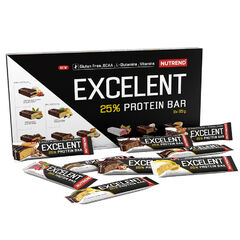
Nutrend Excelent Protein Bar
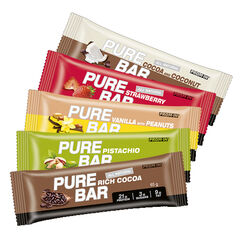
Prom-in Essential Pure Bar
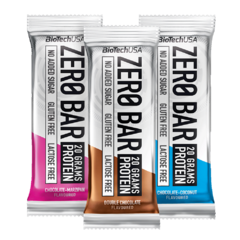
BiotechUSA Zero Bar
Barebells Protein Bar
No posts have been made yet.








