





Is tyrosine real "brain fuel" or just expensive marketing?
 Author:
 Tyrosine is an amino acid that our body can make itself, but we also take it in food. It is absolutely crucial because it serves as a building block for the production of important neurotransmitters: dopamine (the hormone of motivation and reward) and norepinephrine (the hormone of alertness and stress response).
The sales logic is clear: "More tyrosine = more dopamine = better concentration."
Article content:
- It only works when it "flows into your shoes"
- The problem with dosing: manufacturers are cheating you
- Food vs. supplements
- So when does supplementation make sense?

1. It only works when it's "leaking"
Research shows that tyrosine supplementation has almost no effect on people who are calm, rested and cool. If you're sitting in a quiet office sipping tea, extra tyrosine probably won't help you with anything.
So when does tyrosine excel? When the brain is under extreme pressure and starts to deplete its stores of neurotransmitters. Studies (a total of 15 placebo-controlled ones were analyzed) have shown benefit in these situations:
- Extreme sleep deprivation: helps maintain attention even after 24 hours without sleep.
- High noise: Improves cognitive performance in a 90 decibel noise environment.
- Demanding multitasking: Helps the brain switch between tasks when overloaded.
-
In short: Tyrosine does not work as a stimulant (like caffeine), but rather as a "backup tank". If your tank gets depleted due to stress, tyrosine will replenish it. If it's full, topping it up won't make a difference.
2. The problem with dosing.
This is the most important point you won't find on the label. The scientific studies that have shown the above benefits have worked with doses around 7 to 10 grams.
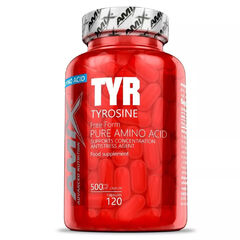
But most common dietary supplements in capsules contain only 500 mg to 2 grams. That's 5 to 10 times less than what was needed to get results in the lab. If you're taking one capsule a day, you're probably just swallowing an expensive placebo.
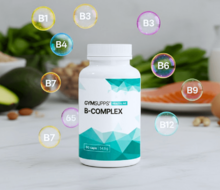
3. Food vs. supplements
If you're eating enough protein, you probably already have your "building material". For example, a combination of chicken breast and Greek yogurt will supply your body with about 1,900 mg of tyrosine. That's the same or higher amount than what most commercial supplements offer.
So when does supplementation make sense?
Tyrosine supplementation in high doses (above 5 g) may be useful in short-term, high-stress situations such as:
- Examination periods (when there is a great lack of sleep).
- Extreme athletic performance in demanding conditions.
- Crisis work projects where you face constant distractions and pressure.
Conclusion
Tyrosine is a fascinating substance with real scientific evidence, but it's not a miracle pill for everyday productivity. Unless you're under extreme stress, it will serve you much better:
- 7-9 hours of sleep (the best cognitive enhancer in the world).
- A quality diet rich in protein.
- Caffeine (if you need an instant "kicker").
If you still decide to try tyrosine, look for a quality pure powder (it's cheaper than capsules) and aim for higher dosages that are close to those scientifically proven. Otherwise you're just feeding your faith, not your brain. Do you find it more important to boost performance under stress, or are you looking for something to improve focus long term?
Recommended
No posts have been made yet.








