





Is berberine really the “natural Ozempic”? What should you know before trying it?
 Author:
 On social media, it’s nicknamed the “natural Ozempic” and has garnered a huge amount of attention. Berberine, a natural dietary supplement, promises to improve metabolism and support weight loss. The nickname sounds appealing, but it hides what matters most to us—fitness enthusiasts and athletes—namely, its impact on performance and muscle mass.
After all, a dietary supplement that mildly suppresses your appetite isn’t worth it if it causes digestive issues, worsens your training results, or robs you of your hard-earned muscle. Here’s an honest look at how to approach berberine.
Article Contents:
- Berberine vs. Ozempic: What’s the Reality?
- What Does the Scientific Evidence Show?
- The Key Issue: Preserving Muscle Mass
- A Two-Week Test for Athletes
- Who Should Avoid Berberine at All Costs?
- What to Look Out for When Buying?
Berberine vs. Ozempic: What’s the Reality?
Ozempic and Wegovy are prescription drugs containing semaglutide (GLP-1 agonists), primarily approved for the treatment of type 2 diabetes or the long-term treatment of obesity. They have undergone extensive clinical trials and are subject to strict regulation.
Berberine, on the other hand, is an over-the-counter dietary supplement. While this doesn’t make it useless, it does mean that comparisons with prescription drugs are highly flawed. It does not use the same mechanisms in the body, is not subject to medical supervision, and the weight loss observed in studies is much more modest.

What does the scientific evidence show?
Some meta-analyses do indeed show that taking berberine can lead to a reduction in body weight, BMI, waist circumference, and blood sugar levels. The main catch, however, is that these results do not guarantee predictable improvements in body composition for someone who regularly lifts weights.
The Key Issue: Preserving Muscle Mass
You should evaluate any weight-loss tool based on what it does to your lean muscle mass, strength, and recovery.
If berberine suppresses your appetite so much that you drastically reduce your protein intake, the number on the scale may go down, but your performance at the gym will plummet. Generally , it’s recommended that athletes consume 1.4 to 2.0 grams of protein per kilogram of body weight. If you’re less hungry, meeting this goal doesn’t require less effort—it actually requires much more planning!
A Two-Week Test for Athletes
If you decide to try berberine, don’t make any other changes to your routine. Maintain the same calorie and protein intake, the same workout plan, step count, and sleep schedule. Track these metrics:
- Weight and waist circumference: Track the trend, not daily fluctuations.
- Protein intake: Don’t let a suppressed appetite reduce your daily protein intake.
- Workout sets: Record your weights and reps. Watch out for a loss of strength!
- Digestion and sleep: If you experience an upset stomach or insomnia, stop taking berberine immediately.
Recommended
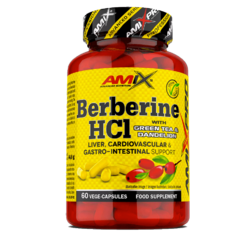
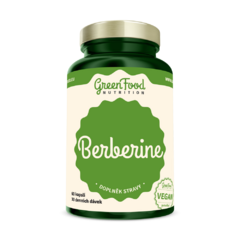
GreenFood Berberine
Who should avoid berberine at all costs?
Avoid it if you are taking medications to lower blood sugar, blood thinners, blood pressure medications, antibiotics, or immunosuppressants. Pregnant and breastfeeding women should avoid it entirely. Always consult your doctor! This isn’t meant to scare you, but rather to encourage a responsible approach to your health.
What should you look out for when buying it?
If you’re going to buy berberine, be critical of the labels:
- Transparent dosing: The label must specify the exact amount of berberine in a single dose. Avoid “proprietary blends.”
- Third-party testing: Choose brands that demonstrate quality control.
- No miracle promises: If the packaging promises an “obesity cure” or prescription-like effects, that’s a red flag.
Final Summary: Start with the basics
Berberine should be at the very bottom of the fat-burning hierarchy. Protein, a reasonable calorie deficit, plenty of fiber, sleep, steps, and quality strength training are the absolute foundation.
Most lifters will benefit more from improving their meal structure and adding protein and fiber. Berberine is simply not a natural Ozempic or a shortcut to your dream physique. It may have its place, but it needs to be approached with caution. If you start losing strength, muscle, or good digestion because of it, then it has simply failed as a supplement for you.

No posts have been made yet.








