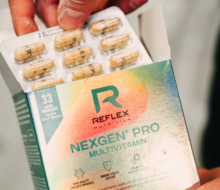
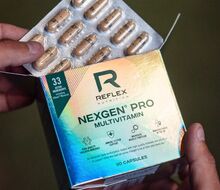
Is a multivitamin really just expensive urine?
 Author:
 You've probably heard it before. You may have even said it to yourself, "Multivitamins are useless, it's just expensive urine." But it says more about how superficially we perceive the workings of the human body than it does about the actual quality of modern dietary supplements. We get carried away by simple narratives and forget that our biochemistry is an extremely complex and interconnected system.
Do you know where the phenomenon of "Put D3+K2, magnesium and zinc - and you're done" came from? It's the result of our desire for shortcuts. We want simple solutions that are easy to share and even easier to repeat. Moreover, challenging an established practice is great marketing today - the more controversial the opinion, the more attention it gets.
Yes, let's be honest, many multivitamins on the market really don't make sense. They contain poorly absorbed forms of minerals, they lack key synergistic elements and the doses often lack logic. But to condemn an entire category because of this would be like saying that all books are bad because some aren't worth reading.
Article Content:
- Why isn't the "core four" enough?
- The myth of "I'm good with diet"
- The athlete and the hidden layers of performance
- Vita Solution: why is the whole more than the sum of its parts?
- The foundation for performance and longevity
Why isn't the "core four" enough?
Let's digress for a moment. Remember fifteen years ago? Almost no one was purposely supplementing with vitamin D3, magnesium was a fringe issue, and somehow our immunity functioned without a constant supply of zinc. On the other hand, megadoses of vitamin C were in vogue and were attributed with almost miraculous effects. The world of nutrition, in short, is subject to trends. But our physiology remains the same.
Our health and performance are not based on a few "star" micronutrients that are currently being talked about on YouTube. It's based on what holds the whole system together: the thousands of silent processes provided by coenzymes, cofactors and enzyme complexes. These are the invisible layers of biochemistry that determine how well the body can handle stress, how efficiently it will regenerate, and how well it can adapt.
The myth of "I get enough from my diet"
We often hear the argument about reference intake levels (RILs). Theoretically, we should cover them with our diet, so we don't need any extra vitamins. One can agree with the basics - that diet is key. But do you really think it's enough?
After all, RHP is not a metric of optimal performance. They are the minimum doses necessary to keep the average adult from getting sick when at rest. Except who among us lives in a lab-rested world? Everyday reality is different: training, work, school, caring for family, caloric deficit during weight loss or, conversely, the huge energy turnover in athletes. All of this represents a chronic load that dramatically increases B-vitamin consumption, raises oxidative stress, and places enormous demands on connective tissues. Add to this the occasional sleep deprivation and stress that no one can avoid these days, and the body begins to develop small but recurring deficits. They won't destroy you in a week, but over time their effects add up.
This is where a quality multivitamin makes perfect sense. Not as a diet replacement, but as a stabilizing element for anyone who wants - or needs - more from their body.
The athlete and the hidden layers of performance
For an active person, this need is even more critical. Let's look at three key areas where conventional supplementation fails, but a targeted multivitamin excels.
1. Methylation: the silent metronome of your performance
Methylation isn't just a buzzword. It's a key biochemical pathway that controls neurotransmitter synthesis (dopamine, serotonin), DNA repair, detoxification, and even blood vessel health. At its center is the control of homocysteine levels. If methylation is not working properly, homocysteine increases, leading to impaired blood flow, increased fatigue and slower recovery. The athlete, who has higher demands on tissue repair and neurotransmitter production, cannot afford unstable methylation. And what drives this system? Primarily the active forms of vitamins: B9 as 5-MTHF, B12 as methylcobalamin and B6 as P-5-P.
2. Antioxidant enzymes.
When people say "oxidative stress", most people think of vitamin C or astaxanthin. But that's just the tip of the iceberg. Our body has a much more powerful weapon: its own antioxidant enzymes, such as SOD (superoxide dismutase) and GPx (glutathione peroxidase). These enzymes relentlessly and systematically destroy free radicals. However, in order to function at all, they need "ignition keys" - cofactors. For SOD these are copper and manganese, for GPx it is selenium. Without these trace elements, your internal defenses don't exist. And an athlete who produces massive amounts of free radicals with every breath and every workout can't afford a dysfunctional system.
3. Connective tissues: collagen alone is not enough
We all know that collagen is important for healthy joints, tendons and ligaments. But your body doesn't work by "pouring" collagen into it and it builds itself in where it's supposed to. It needs an architect to put it back together and strengthen it properly. That architect is the enzyme lysyl oxidase, which creates strong bonds between collagen and elastin fibers. And this enzyme is completely dependent on copper. Similarly, manganese plays a key role in the formation of proteoglycans, which give cartilage its elasticity. Without these two elements, collagen is just a pile of bricks without mortar.
Vita Solution: why is the whole more than the sum of its parts?
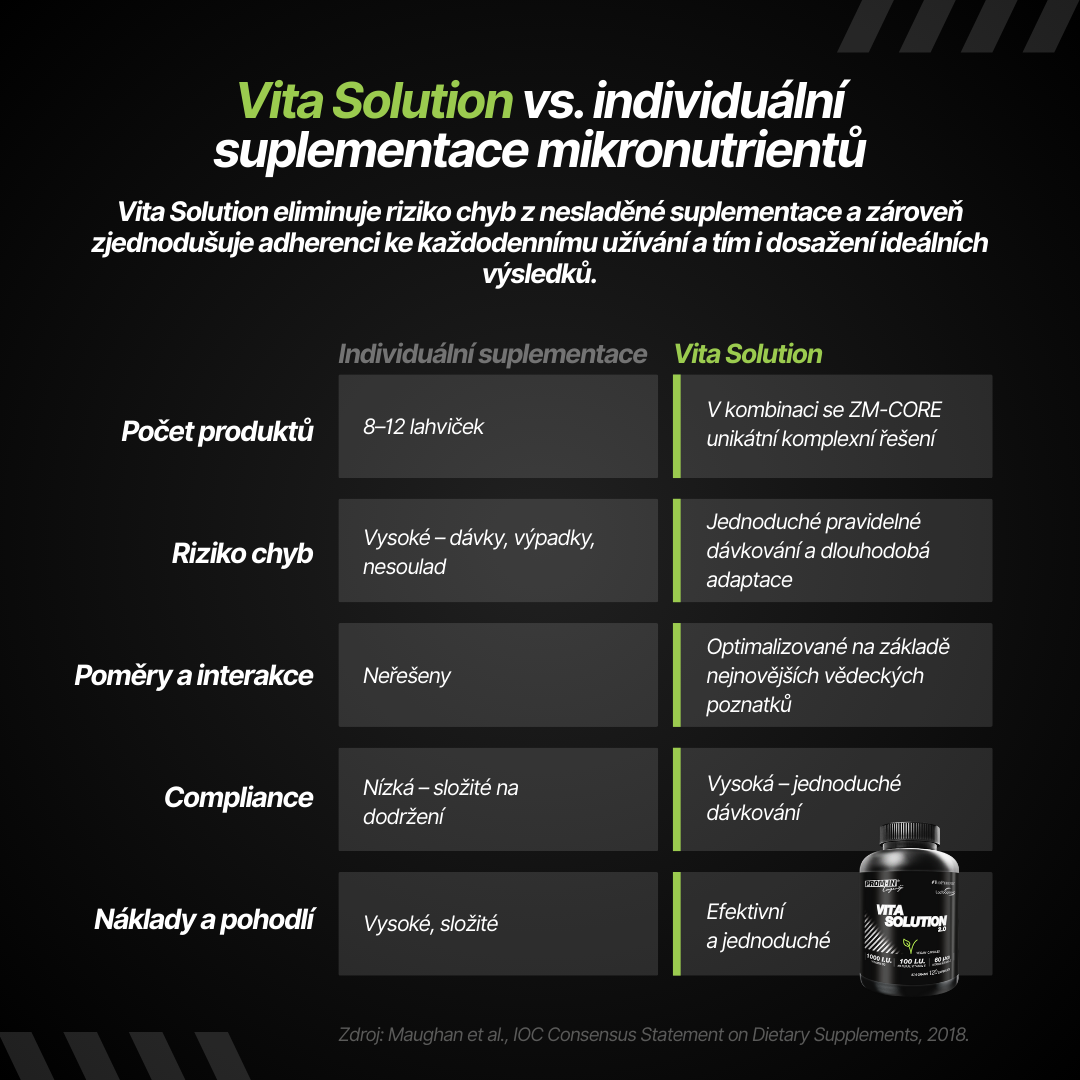
Now you may be thinking, "Okay, I'll buy all these substances separately." It sounds logical, but in practice it fails for several reasons.
First, compliance. It's almost impossible to manage eight or twelve different vials. You'll start to forget, doses will fluctuate, and the key regularity will disappear. Second, interdependencies. The body is a system, not a spreadsheet. Some elements support each other, others block each other. A high dose of zinc, for example, can reduce copper absorption - that's why we've deliberately omitted zinc in Vita Solution and recommend taking it at a different time of day. And thirdly, quality and form. Each brand uses different raw materials, different carriers, different forms. The result is a disparate mix, not a well thought out system.
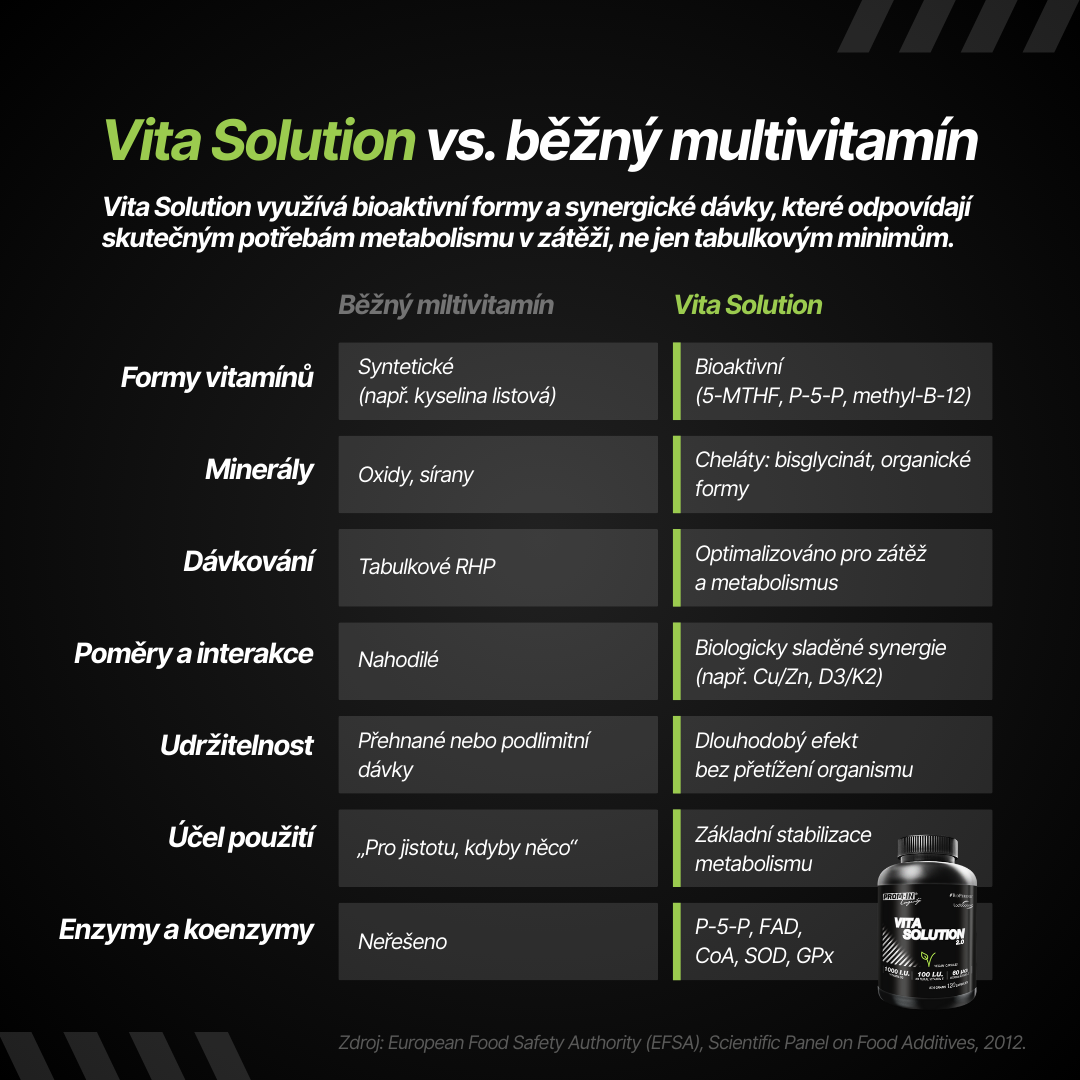
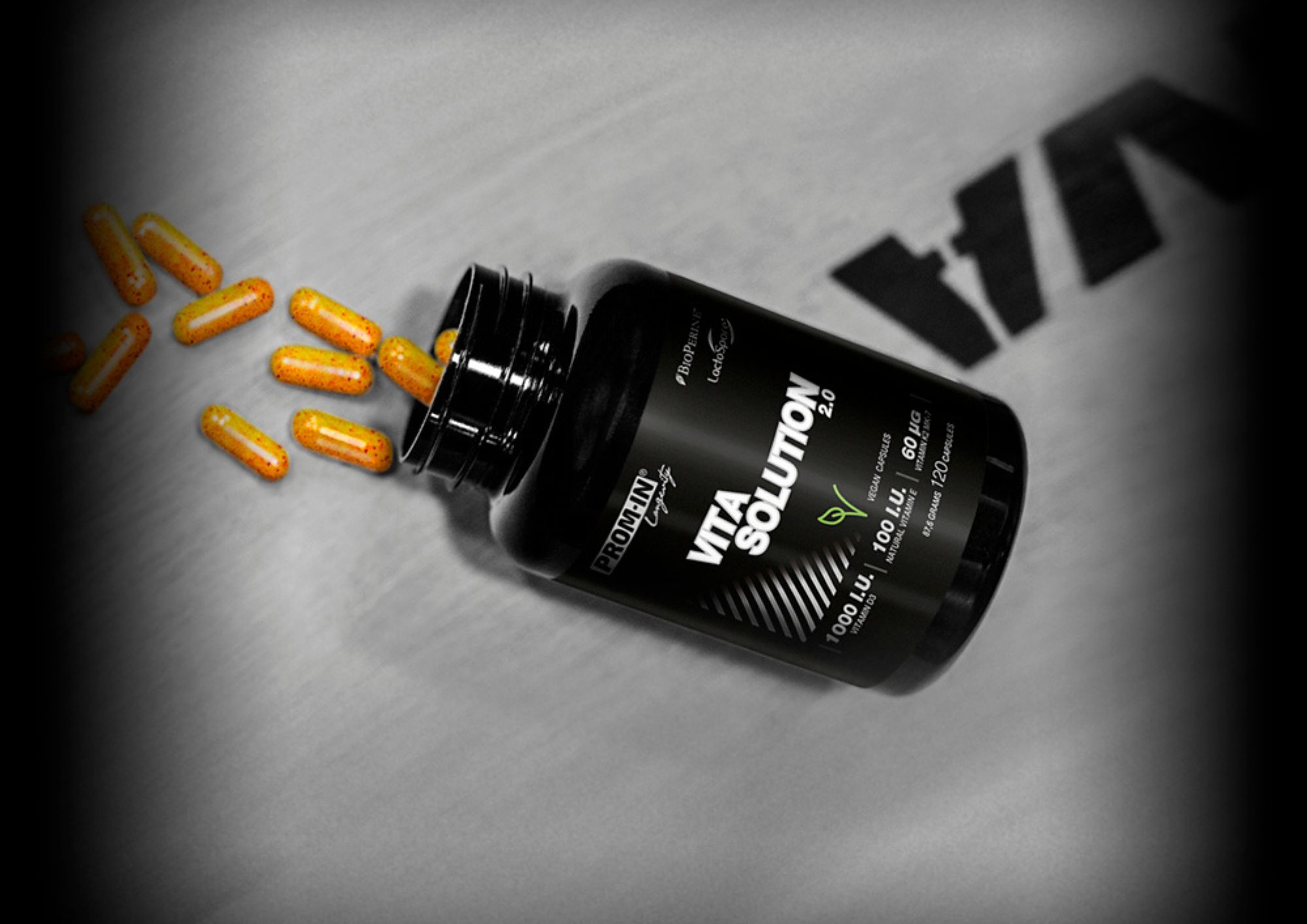
Vita Solution was created in response to these problems. It's not just another mix of vitamins. It was designed as a factually structured foundation that respects the biological links and needs of a burdened metabolism. That's why you'll find in it:
- Active vitamin forms: 5-MTHF, Methyl-B12, P-5-P for maximum methylation support.
- Organic mineral chelates: copper and manganese in bisglycinate and organically bound selenium for perfect absorption and enzyme function.
- Meaningful doses of D3+K2: In the biologically active, study-proven form MK-7 to support immunity and metabolism.
- Comprehensive metabolic support: With coenzymes such as B2, B3, B5 and biotin, which are the invisible engine for energy production.
The foundation for performance and longevity
Whether it's omega-3s, adaptogens or Q10, their effect often depends on the availability of essential micronutrients that act as cofactors and metabolism assistants. If you don't have this foundation covered, even the most expensive dietary supplements won't work to their full potential.
Vita Solution is designed to create this foundation. It's the insurance policy that holds the system together, even if you have a busy day, skip meals, or sleep poorly. It's an investment in consistency that pays off not only in short-term performance, but also in long-term health and resilience. Because solid foundations aren't a trend - they're a necessity.
Recommended
Prom-in Vita Solution 2.0
Reference:
- 1) Athlete context: RDA ≠ performance; when supplements make sense
- IOC consensus on supplements in elite sport. Clear framework for when/why supplements help and how to use them safely.
- Academy of Nutrition & Dietetics/ACSM/ Dietitians of Canada position. Nutrition (incl. supplements) tailored to training loads and goals.
- 2) Methylation & homocysteine (B9/B12/B6; active forms)
- Homocysteine-lowering meta-analysis. Folic acid ↓Hcy ~25%; B12 adds ~7% (dose-response shown).
- Randomized/clinical data with methylfolate. Trials showing Hcy reduction with L-methylfolate ± folinic acid.
- Context review. What Hcy means clinically; limits of folic acid in common polymorphisms.
- B-vitamins as coenzymes (mechanistic review). Roles in one-carbon metabolism, neurotransmitters, energy.
- 3) Endogenous antioxidant enzymes (GPx, SOD) and their cofactors
- Selenium → GPx & selenoproteins (authoritative overview).
- SOD family (Cu/Zn-SOD1, Mn-SOD2, EC-SOD3). Classic reviews on metal requirements and activation.
- Copper's regulatory role for Cu/Zn-SOD activity (animal & mechanistic data).
- 4) Connective tissue, collagen/elastin crosslinking
- Lysyl oxidase is copper-dependent; crosslinks collagen/elastin. Foundational reviews.
No posts have been made yet.