How to include tuna in the diet?
 Author:
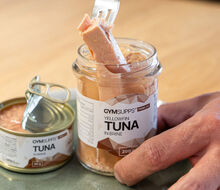
 Tuna is one of the most popular and nutritious fish, which thanks to its rich nutritional profile has become an indispensable part of the diets of athletes, health food lovers and those who want to eat a balanced diet. Thanks to its high content of protein, omega-3 fatty acids, vitamins and minerals, tuna is not only tasty but also a health food. That's why in this article, we'll take a detailed look at how to incorporate tuna into your diet so that your diet receives maximum benefits for recovery, immunity and overall vitality.
Article content:
- Nutritional benefits of tuna
- A scientific perspective on including tuna in your diet
- How to practically incorporate tuna into your diet
- How to choose good quality tuna?
The nutritional benefits of tuna
Tuna is one of the foods that have a significantly positive effect on human health. Its main benefits include:
- Protein and amino acids. It is an ideal source of protein for athletes and active individuals.
- Omega-3 fatty acids: These essential fats help reduce inflammation, promote cardiovascular health and contribute to optimal brain function. Studies confirm that regular consumption of omega-3 fatty acids leads to a better metabolic profile and overall vitality.1
- Vitamins and minerals: Tuna contains significant amounts of vitamin D, B vitamins, selenium, phosphorus and potassium. These nutrients are essential for proper immune system function, skeletal function and energy metabolism.
- Low in fat: Although tuna contains healthy fats, its total fat content is relatively low, making it an ideal choice for those who want to maintain a balanced macronutrient ratio without excess calories.
Thanks to these ingredients, tuna can contribute to better recovery after physical exertion, support heart health and even help stabilize mood.


A scientific perspective on the inclusion of tuna in the diet
Study 1: Tuna and muscle recovery
Research published in the Journal of Sports Nutrition has shown that regular tuna consumption promotes muscle recovery and reduces muscle fatigue. Tuna's high content of essential amino acids makes it a popular food source for athletes trying to reduce recovery time after intense training.1
Study 2: Omega-3 fatty acids and cardiovascular health
Another study, published in Nutrition Reviews, showed that regular consumption of the omega-3 fatty acids found in tuna significantly reduces the risk of heart disease. The authors of the study point out that including tuna in the diet can promote vascular health and reduce inflammatory processes in the body.2
Study 3: Tuna and cognitive function
Research in the journal Brain, Behavior, and Immunity focused on the effect of omega-3 fatty acids on brain function. The study found that regular consumption of tuna, rich in these essential fats, is associated with improved cognitive function, better concentration, and an overall boost to mental health.
These scientific studies demonstrate that tuna is a food that not only enriches the diet with important nutrients, but also provides specific health benefits, from muscle recovery to cardiovascular and cognitive health support.3

How to practically incorporate tuna into your diet
If you're wondering how to incorporate tuna into your diet, here are some practical tips and recipes to help you make the most of this nutritious fish:
1. Breakfast and light meals
- Protein salad: Add tuna chunks to a vegetable salad with tomatoes, cucumber, peppers and fresh herbs. Drizzle with olive oil and lemon juice. This salad is the perfect choice for a light and nutritious lunch.
- Wrap with tuna: Spread a whole wheat tortilla with yogurt dressing, add tuna, lettuce, avocado and fresh vegetables. This wrap is a great solution for a quick breakfast or snack that will fill you up and give you energy for the day.

2. Main meals
- Pasta with tuna: Mix cooked pasta with tuna, chopped fresh vegetables (e.g. spinach, cherry tomatoes) and a light herb sauce. This dish is not only tasty, but also very nutritious and suitable for post-workout recovery.
- Quinoa with tuna: Quinoa is an excellent source of complex carbohydrates and protein. Mix it with tuna, add vegetables and season with lemon juice and fresh herbs. This combination will give you a balanced macronutrient ratio.
3.Snacks and light desserts
- Tuna dip: mash tuna with a little low-fat cottage cheese, add lemon juice, garlic and herbs. Serve with chopped vegetables such as celery, cucumber or carrots. This dip is a great choice for a healthy snack.
- Tuna sandwich: Spread a light dressing on whole wheat bread, add tuna, lettuce and sliced tomatoes. This sandwich is perfect for a quick lunch and snack during the day.

4. Tips for combinations and variations
- Experiment with spices. You can also try slightly spicy variations with the addition of chilli or paprika.
- Mix with other protein sources: you can combine tuna with egg, lentils or beans to increase the nutritional value. Such combinations provide a comprehensive spectrum of essential amino acids.
- Seasonal vegetables: Incorporating fresh, seasonal vegetables will not only enrich the flavour of dishes, but also provide additional vitamins and minerals that contribute to overall vitality and support the immune system.
How to choose good quality tuna?
When including tuna in your diet, it is also important to focus on the quality of the product itself. Here are some tips on how to choose the right tuna:
- Certification and origin: Prefer products with origin information and certifications that guarantee sustainable fishing practices. Quality tuna comes from areas where strict standards for catching and processing are observed.
- Canned vs. fresh: Canned tuna is convenient and long-lasting. Choose options without added oil or salt if you are watching your calorie and sodium intake. Fresh tuna offers a more pronounced flavor but requires faster consumption and proper storage.
- Nutrition facts: read nutrition labels. Quality tuna should provide high levels of protein, omega-3 fatty acids and vitamins without excessive amounts of preservatives or artificial additives.
Why choose GymSupps Tuna in its own juice?
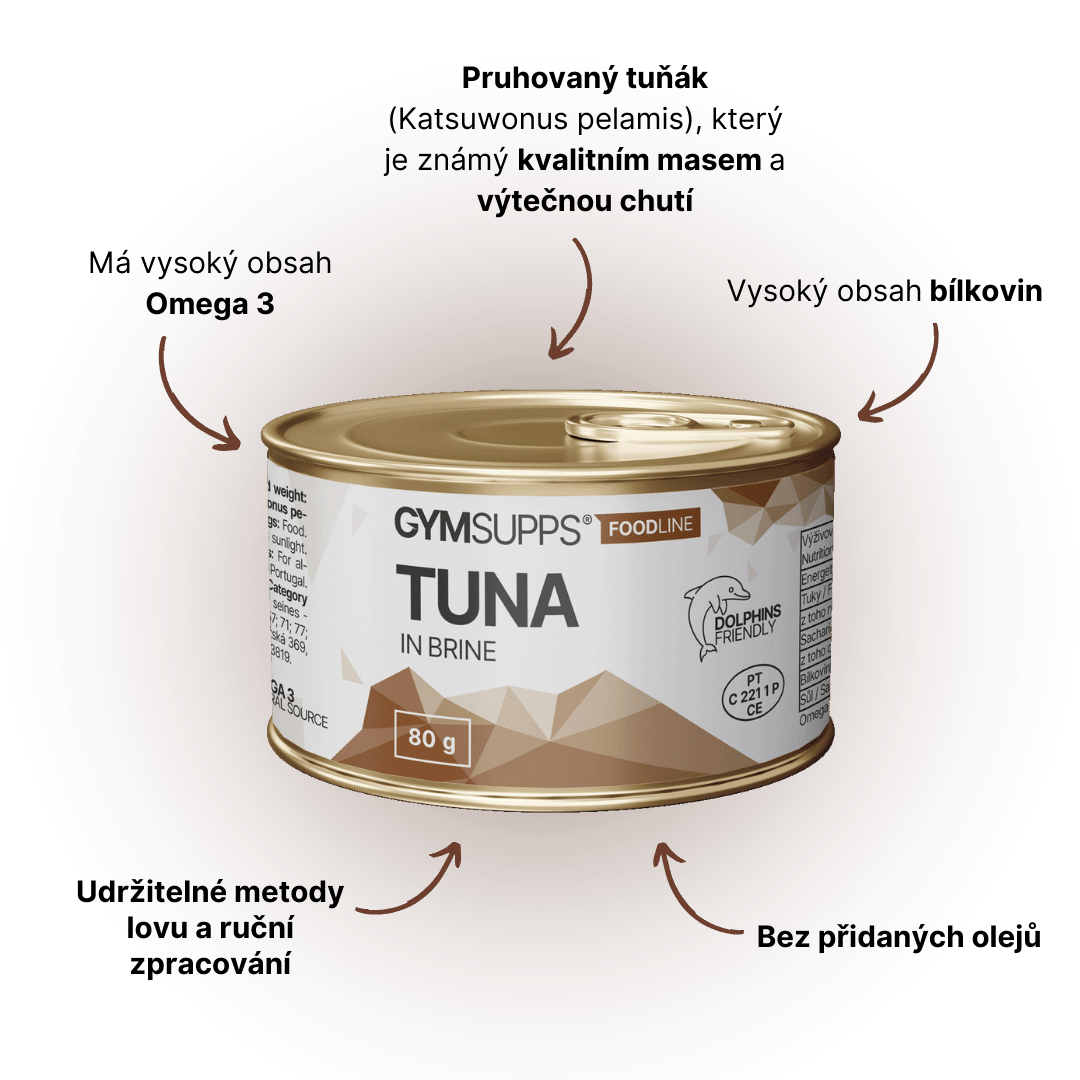
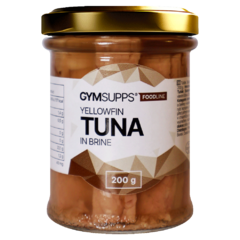
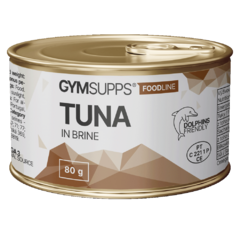
GymSupps Tuna in its own juice is the ideal choice for anyone looking for a quality source of protein without unnecessary fat. By packing our tuna in its own juice, the natural flavour is preserved while minimising fat intake, which is especially appreciated by athletes, bodybuilders and active individuals who carefully monitor their calorie and macronutrient intake.
Nutritional values and benefits
This product is rich in high-quality protein, which is crucial for muscle recovery and growth. Its low fat content makes it suitable not only for reduction diets but also for building muscle mass. In addition to protein, it also contains natural omega-3 fatty acids, which have anti-inflammatory effects and contribute to better cardiovascular health.
Quality and comfort
The practical and hygienic packaging makes it easy and quick to use, ideal for those who are often on the go or need the product immediately after a workout. Having a quality protein source always on hand means you don't have to compromise your nutritional strategy, even on busy days when time is limited.

Final summary
Tuna is a food that offers a range of health benefits thanks to its rich nutritional profile - from supporting muscle recovery and cardiovascular health to improving cognitive function. Scientific studies confirm that regular consumption of tuna, rich in essential amino acids and omega-3 fatty acids, contributes to overall vitality and health. By including tuna in your diet, you can not only get a balanced source of protein, but also boost your immune system and support recovery after physical activity.1;2;3
Whether you're an athlete, a working professional or someone looking for healthy and tasty ways to enrich your diet, tuna is an ideal choice. Experiment with a variety of recipes - from light salads and wraps to pasta dishes to nutritious dips and sandwiches. It's also important to pay attention to the quality of the product itself and choose options that meet your nutritional needs.
When planning your menu, don't forget about variety and seasonality of ingredients to ensure your diet is not only nutritious, but also tasty and varied. Consulting with a nutritionist can help you better understand your body's individual needs and optimally incorporate tuna and other foods into your daily regimen.
Recommended
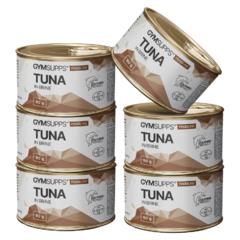
Tuňák ve vlastní šťávě 5+1
Sources:
- 1)Tuna Consumption and Muscle Recovery in Athletes: A Randomized Controlled Trial" - Journal of Sports Nutrition, 2018.
- 2)Omega-3 Fatty Acids in Cardiovascular Health: Effects of Tuna Consumption" - Nutrition Reviews, 2019.
- 3)Impact of Dietary Omega-3 on Cognitive Functions and Brain Health: Evidence from Tuna-Rich Diets" - Brain, Behavior, and Immunity, 2020.
No posts have been made yet.