





How to include peanut butter in the diet?
 Author:
 Peanut butter has become a popular food among athletes, fitness enthusiasts and people looking for healthy and tasty ways to enrich their diet. Rich in protein, healthy fats, fiber and a variety of vitamins and minerals, peanut butter is an ideal choice for anyone who cares about quality nutrition. In this article, we take a look at how to incorporate peanut butter into your diet to deliver maximum health benefits, while drawing on scientific studies and expert reviews. Below you'll find a comprehensive guide, tips for everyday use and advice on how to choose the right product.
Article content:
- Nutritional benefits of peanut butter
- Scientific insights and studies on peanut butter
- How to incorporate peanut butter into your diet? Practical tips
- How to choose good quality peanut butter?
- Benefits of regular peanut butter inclusion
- Tips for creatively incorporating peanut butter into your diet
Nutritional benefits of peanut butter
Peanut butter is much more than just a treat. Its rich nutritional composition brings a host of benefits:
- Protein and amino acids: Peanuts are a quality source of plant protein that supports muscle growth and recovery. This is especially important for athletes and active individuals.
- Healthy fats: The unsaturated fat content helps maintain heart and blood vessel health. These fats also promote a long-lasting feeling of satiety, which can be helpful for weight loss.
- Fibre: The presence of fibre aids digestion and regulates blood sugar levels. A balanced diet rich in fibre also has a positive effect on the gut flora.
- Vitamins and minerals: Peanut butter contains vitamin E, magnesium, potassium, zinc and other nutrients that contribute to the overall health of the body.
Together, these ingredients support metabolism, muscle recovery and the immune system, which is why peanut butter is often recommended as part of a balanced diet.
Scientific insights and studies on peanut butter
Study 1: Effect of peanut butter on athletic performance
Research published in the Journal of Sports Nutrition focused on the effects of regular peanut butter consumption in athletes. The study found that supplementing the diet with this food source of protein and healthy fats helps improve muscle recovery and reduce muscle fatigue. The study authors note that incorporating peanut butter into pre-workout and recovery meals may be particularly beneficial for endurance athletes.1
Study 2: Peanut butter and glycemic control
Another major study, published in Nutrition Research Reviews, looked at the effect of peanut butter on blood glucose levels. The results showed that the combination of protein and fat in peanut butter helps stabilize blood sugar. This property is particularly valuable for people with insulin resistance or diabetes mellitus, where sugar regulation is key to long-term health.2
Study 3: Peanuts, peanut butter and cardiovascular health
In a study published in the Cardiovascular Health Journal, researchers looked at the relationship between peanut product consumption and cardiovascular health. They found that regular consumption of peanut butter, as a source of unsaturated fats and antioxidants, was associated with a reduced risk of heart disease. The study recommends including peanut butter in the diet as part of an overall healthy lifestyle.3
These scientific studies confirm that peanut butter is not just a tasty treat, but a truly valuable dietary supplement that provides a variety of health benefits.
How to include peanut butter in the diet? Practical tips
If you're wondering how to incorporate peanut butter into your diet, here are some proven tips to help you make the most of its potential:
1. Breakfast with peanut butter
- Oatmeal: Add a tablespoon of peanut butter to your morning oatmeal along with fruit (banana, blueberries) and a little honey. This recipe will not only give you energy, but also provide plenty of protein to start your day.
- Smoothie: In a blender, add peanut butter, Greek yogurt, banana, spinach and milk or plant-based alternatives. This nutritious drink is the perfect choice for a quick and balanced breakfast.
2. Snacks and desserts
- Toast with peanut butter: Spread peanut butter on whole wheat bread and add slices of fresh fruit on top. This snack is not only tasty, but also provides the necessary nutrients between main meals.
- Energy Balls: Mix peanut butter with oatmeal, honey and seeds, form small balls and let them cool. These energy balls are perfect for replenishing energy before a workout or during an afternoon energy slump.
3. Main dishes and salads
- Spicy sauce: make an Asian peanut sauce by mixing peanut butter, soy sauce, lime juice and garlic. This sauce can be used as a salad dressing, dip for vegetables or poured over grilled meat or tofu.
- Marinade: Peanut butter can also be used as a base for a marinade to add an exotic flavor to dishes and improve their nutritional value. Combine with spices, ginger and fresh lime juice to marinate meat or vegetable alternatives before roasting or grilling.
4. Healthy desserts
- Peanut Butter and Fruit: Mix peanut butter with low-fat cottage cheese and add fresh fruit. This dessert is a great alternative to traditional sweets while providing quality protein and fat.
- Homemade peanut butter: If you like to experiment, try making your own peanut butter. All you need is roasted peanuts, a little salt and possibly a drizzle of honey. The homemade version is often healthier and contains no added fats or sugars.
How to choose a good quality peanut butter?
When choosing peanut butter, focus on a few key aspects:
1. The product's ingredients
The ideal peanut butter should contain 100% peanuts with no added sugars, hydrogenated fats or artificial preservatives. The purity of the ingredients is key to achieving maximum health benefits.
2. Nutritional value
Read the nutritional values carefully. Higher protein and healthy fat content is important for optimal muscle recovery and metabolic support. Peanut butter with fewer added calories and a higher proportion of natural nutrients is a better choice.
3. Reviews and recommendations
Before you decide on a specific brand, look for how to incorporate peanut butter into your diet in reviews from nutritionists and fitness communities. Reviews often contain practical advice on how to use the product in different recipes and diets, and will help you avoid inferior options.
Benefits of regularly including peanut butter
Including peanut butter in your daily diet can bring a number of benefits:
- Support muscle recovery: the high protein and healthy fat content makes peanut butter an ideal supplement after a hard workout.
- The balanced combination of protein, fat and fibre helps tostabilise blood sugar, ensuring an even release of energy throughout the day.
- Support cardiovascular health: The unsaturated fats and antioxidants in peanuts can help improve heart health and reduce the risk of cardiovascular disease.
- A tasty and versatile food: Peanut butter is easy to incorporate into many different types of meals - from breakfasts and snacks to main dishes and desserts.
Regular consumption of this supplement can greatly enrich your diet and contribute to better overall health.
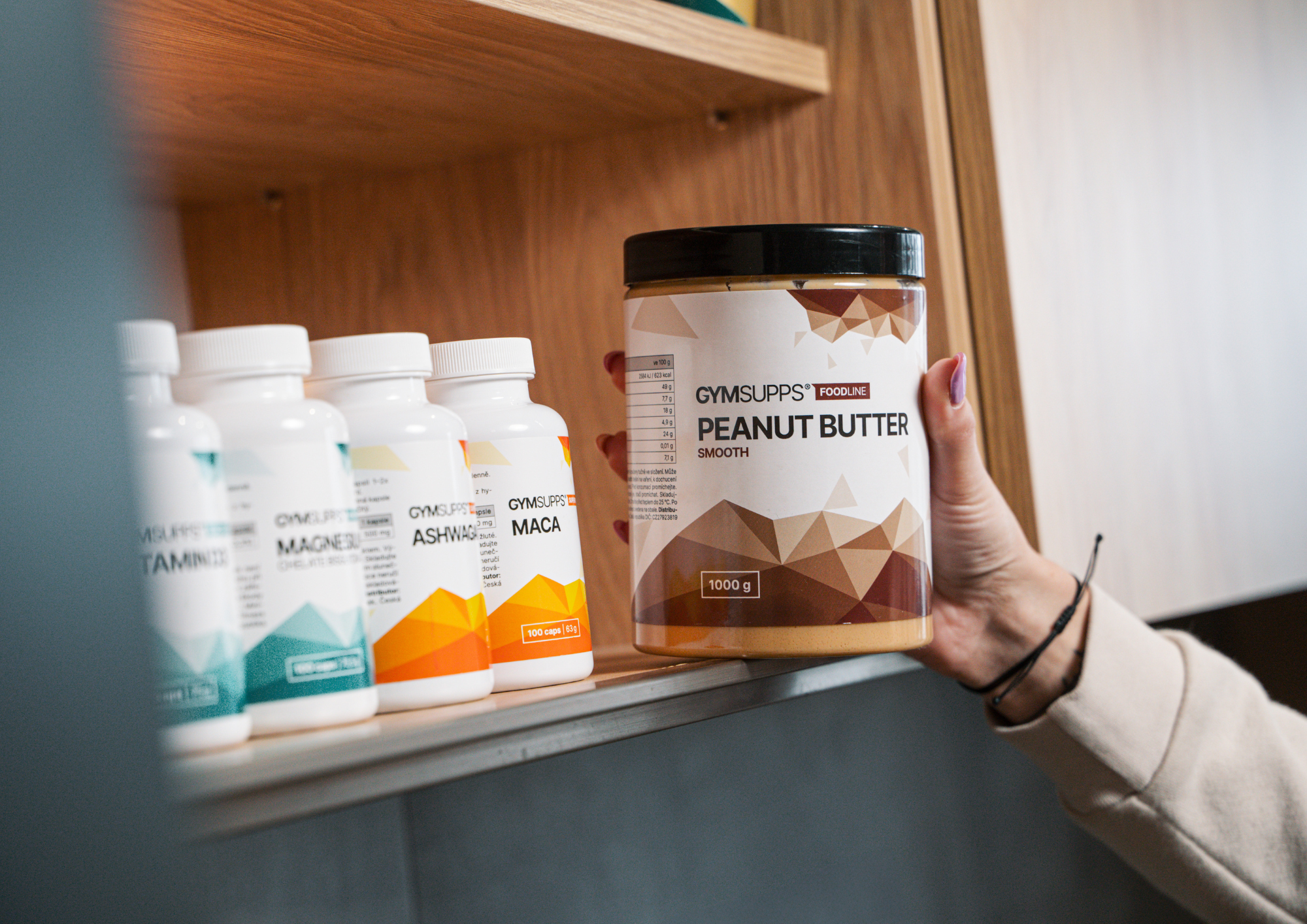.png)
Tips for creatively incorporating peanut butter into your diet
If you're wondering how to incorporate peanut butter into your diet to make it not only healthy but also delicious, try the following tips:
- Experiment with recipes: try different recipes that use peanut butter as a base ingredient - whether it's in smoothies, dips, sauces or desserts. Your creativity may reveal new flavours and textures that will pleasantly surprise you.
- Plan your meals in advance: prepare a weekly menu that includes peanut butter in breakfasts, snacks and even dinners. Planning will help you better control your calorie and nutrient intake.
- Pair with fresh fruits and vegetables: Combining peanut butter with fresh fruit (apples, bananas, pears) or vegetables (carrots, celery) is ideal for a balanced snack that provides energy while being easy to digest.
- Add to baked goods: Peanut butter can be a great addition to whole grain muffins, oatmeal cookies or homemade bread. This not only gives you an extra dose of protein, but also an irresistible nutty flavour.
Final summary and recommendations
Peanut butter is an excellent example of a food that not only tastes good, but also contributes significantly to the overall nutritional quality of your diet. Its rich composition - full of protein, healthy fats, fibre and antioxidants - makes it an ideal supplement for athletes, active individuals and anyone wishing to improve their eating habits. Scientific studies confirm its positive effect on muscle recovery, energy stabilization and cardiovascular health.
When asking how to include peanut butter in the diet, it is important to think about the quality of the product, its purity of composition and the appropriate amount. Experiment with different recipes, incorporate it into breakfasts, snacks and main meals, and watch your energy and recovery improve after physical exertion. Don't forget to eat fresh fruits and vegetables regularly, which, together with peanut butter, create the perfect harmony of flavors and nutrients.
Whether you're a seasoned athlete or just looking for a way to enrich your diet, peanut butter is a great choice. However, always consult a professional if you have specific dietary needs or health restrictions. A high-quality, properly sourced peanut butter can become a key element of your diet to help you achieve better vitality and overall health.
Recommended
GymSupps Peanut Butter
Sources:
- 1)The Impact of Peanut Butter Supplementation on Muscle Recovery in Athletes" - Journal of Sports Nutrition, 2018.
- 2)Peanut Butter Consumption and Glycemic Control: A Review" - Nutrition Research Reviews, 2019.
- 3šDietary Nuts and Cardiovascular Health: The Role of Peanut Butter in Heart Disease Prevention" - Cardiovascular Health Journal, 2020.
No posts have been made yet.








