





How do BCAAs work and why are they so important?
 Author:
 Branched-chain amino acids, commonly referred to as BCAA (Branched-Chain Amino Acids), are a group of three essential amino acids - leucine, isoleucine and valine. In recent years, they have become one of the most popular dietary supplements in sports nutrition, not only among professional athletes, but also among recreational athletes and lovers of an active lifestyle. And that's why in this article, we'll go into detail about what BCAAs are, how they work, and why they can be such an important part of dietary supplements for anyone seeking effective muscle growth, fast recovery, and maintaining energy balance.
Article Content:
- What are BCAAs?
- How do BCAAs work?
- Why are BCAAs so important for athletes?
- Scientific studies confirming the effectiveness of BCAAs
- How and when to take BCAAs
- Practical tips for maximum effect
What are BCAAs?
BCAA (Branched-Chain Amino Acids) is the name for three essential amino acids - leucine, isoleucine and valine. The word "essential" means that the body cannot make them on its own and they must be taken from the diet or supplements. These amino acids make up a significant proportion (up to 35%) of total muscle protein and are therefore crucial for the maintenance and growth of muscle mass1. In addition, they play an important role in energy metabolism and protein synthesis.
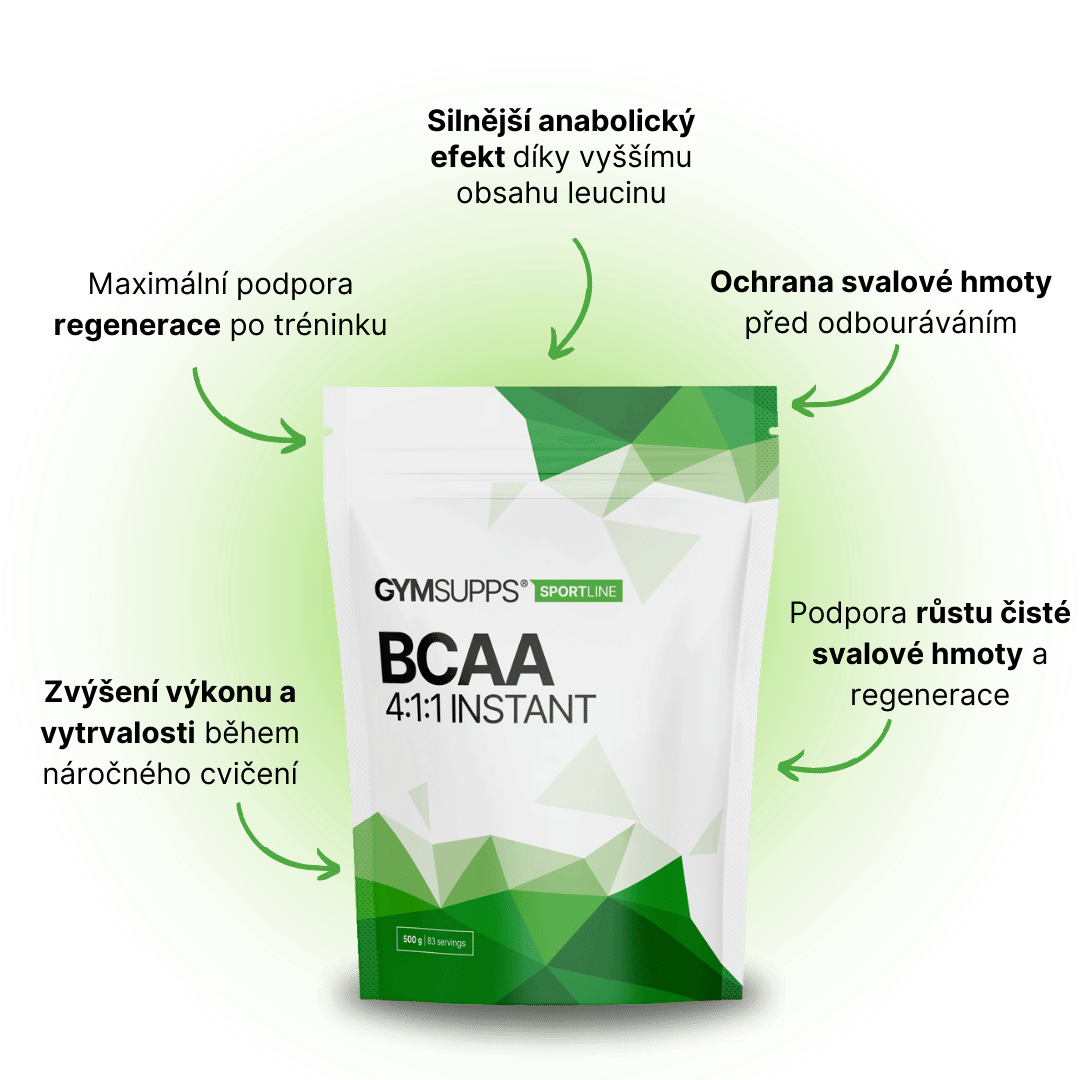
Leucine
Leucine is considered to be the most important of the BCAA trio when it comes to stimulating muscle protein synthesis (MPS). It serves as a "trigger" for anabolic processes, which means that sufficient levels in the blood promote muscle growth and recovery. Studies show that leucine activates key signaling pathways (e.g. mTOR) that are behind the anabolic effect2.
Isoleucine
Isoleucine promotes blood glucose regulation, helps the body use carbohydrates efficiently and also affects fat metabolism. It contributes to the balance between energy intake and expenditure and aids in muscle recovery after intense training. Isoleucine is thus important for maintaining stable energy levels and supporting the anabolic state of the body.
Valine
Valine contributes to the maintenance of nitrogen balance and serves as an important source of energy during strenuous exercise when muscle glycogen depletion can occur. It thus provides protection of muscle mass from catabolism and helps maintain performance during training. Its sufficient intake can reduce fatigue time and support endurance performance.

How do BCAAs work?
The mechanism of action of BCAAs lies mainly in three areas:
- Promoting muscle protein synthesis (MPS). This accelerates the growth and repair of muscle fibres.
- Preventing muscle catabolism: BCAAs can serve as an alternative source of energy during prolonged or intense exercise. When muscle glycogen stores are depleted, the body reaches for amino acids, and BCAAs can prevent muscle protein breakdown.
- Isoleucine helps regulate blood glucose levels and valine helps maintainenergy balance, which is important for endurance performance and steady performance throughout training.
Why are BCAAs so important for athletes?
Muscle growth and recovery
The main reason why BCAAs are popular among athletes is their ability to promote muscle growth and speed recovery. BCAAs stimulate protein synthesis, thus increasing the anabolic state. Studies show that consuming them before, during or after training can shorten recovery time and reduce muscle soreness (DOMS - Delayed Onset Muscle Soreness). This allows athletes to train more frequently and intensely without risking overtraining.3
Maintaining muscle mass on weight loss diets
BCAAs are also useful for those trying to reduce body fat while maintaining muscle mass. This is because a calorie deficit risks muscle catabolism, where the body uses amino acids from its own muscles as an energy source. A sufficient intake of BCAAs helps keep anabolic processes running and prevents unnecessary loss of muscle mass.
Performance and endurance
Because BCAAs can be oxidized directly in the muscles, they also function as a source of energy during strenuous training, especially when glycogen stores are depleted. This is positively reflected in improved performance and endurance as the muscles gain an additional source of fuel. This effect is particularly noticeable during prolonged loads such as endurance sports.
.png)
Scientific studies confirming the effectiveness of BCAAs
- Leucine and muscle protein synthesis: A study published in the American Journal of Physiology found that increasing blood leucine concentrations leads to higher rates of muscle protein synthesis, which has a direct effect on muscle growth.4
- Muscle soreness reduction (DOMS): research in the Journal of the International Society of Sports Nutrition found that consuming BCAAs before and after training reduces muscle soreness and speeds recovery.5
- Support energy metabolism: Other studies show that isoleucine and valine may contribute to better energy retention and blood sugar stabilization, which is important for maintaining performance during demanding workouts.
How and when to take BCAAs
Dosage
The usual recommended dosage ranges from 5-10 grams of BCAAs per serving, depending on body weight and training intensity. Some athletes opt for higher doses, especially during periods of intense training cycles or during weight loss diets.
Timing
- Pre-workout: taking BCAAs 15-30 minutes before exercise can reduce muscle protein breakdown during training and provide quick energy, especially if you are training fasted.
- During training: Consuming BCAAs as a drink during prolonged and endurance workouts helps maintain steady blood levels of amino acids and promotes endurance.
- Post-workout: Taking BCAAs immediately after exercise is most common and very effective. This will speed recovery, reduce muscle soreness and promote muscle protein synthesis.
Combination with other supplements
BCAAs can be effectively combined with other supplements such as whey protein, creatine or beta alanine. This synergy can further promote muscle growth, reduce recovery time and enhance overall athletic performance.
Practical tips for maximum effect
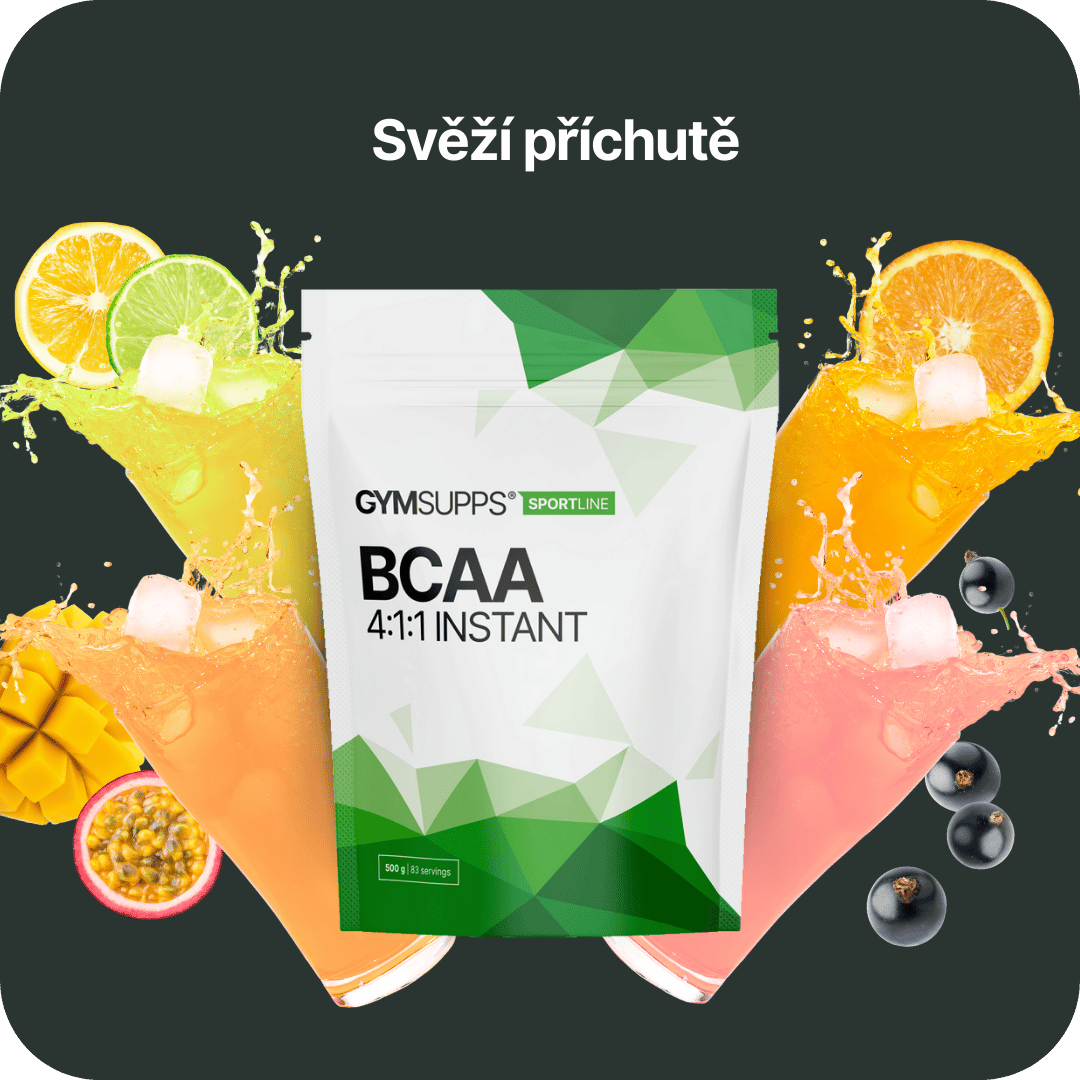
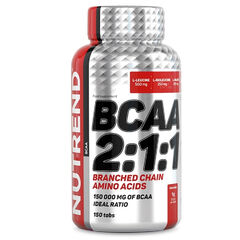
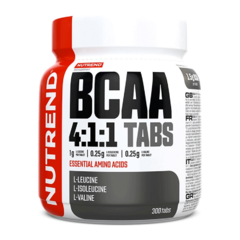
- Choose quality BCAAs: aim for products that list the exact ratio of leucine, isoleucine and valine (usually 2:1:1 or 4:1:1 e.g. from GymSupps) to ensure you're getting an effective dose.
- Supplement with other essential amino acids: while BCAAs are key, a balanced diet and plenty of other amino acids are just as important. Protein supplements with a complete amino acid profile can enhance the effect of BCAAs.
- Follow a drinking regime: When taking BCAAs, especially during training, don't forget to keep up with adequate fluid intake. This helps maintain proper hydration and nutrient transport.
- Take advantage of the anabolic window: After a workout, the body is especially sensitive to amino acid and carbohydrate intake. Combining BCAAs with rapidly absorbed carbohydrates can significantly speed up recovery.
- Consult a professional: If you are unsure about dosage or timing, consult a nutritionist or trainer to help you find the optimal regimen.

Conclusion
BCAAs (leucine, isoleucine, and valine) promote muscle growth, speed recovery, and prevent excessive catabolism during hard training. Thanks to their specific mechanism of action, BCAAs enter the bloodstream quickly, provide energy to the muscles and stimulate protein synthesis, which results in improved performance and shorter recovery time. Whether you are a beginner or an experienced athlete, a sufficient intake of BCAAs can help you maximize results and maintain a high level of motivation.
When choosing BCAAs, pay attention to the quality and exact ratio of amino acids, consider combining with other supplements such as whey protein, creatine or beta alanine, and focus on appropriate timing - especially before, during or immediately after training. It's this comprehensive approach that will ensure your muscles have optimal conditions for growth and rapid recovery, and you achieve your athletic goals more efficiently and with less risk of overtraining.
Recommended
Links to studies
- 1) Norton, L.E., Wilson, G.J. (2009). Optimal protein intake to maximize muscle anabolism. International Journal of Sport Nutrition and Exercise Metabolism.
- 2) Shimomura, Y., et al. (2006). Exercise promotes BCAA catabolism: effects of BCAA supplementation on skeletal muscle during exercise. Journal of Nutrition.
- 3) Blomstrand, E., et al. (2006). Branched-chain amino acids and central fatigue. Journal of Nutrition.
- 4) Kraemer, W.J., et al. (2006). The effects of amino acid supplementation on hormonal responses to resistance training overtraining. Metabolism.
No posts have been made yet.








