





Effects of the combination of vitamins D3 and K2
 Author:
 Vitamins D3 and K2 are one of the most discussed dietary supplements today, not only among athletes, but also among the general public interested in health and longevity. This pair is often referred to as the secret weapon for optimal bone function, cardiovascular function and overall body vitality. In the following article, we'll take a look at how vitamin D3 and K2 work together, the effects their combination has on the body, and we'll review specific benefits based on scientific studies that may also affect your athletic performance.
Article content:
- Why D3 and K2?
- What is vitamin D3 and how does it work?
- What is vitamin K2 and its role
- Synergistic effects of combining vitamin D3 and K2
- How, when and how best to supplement with vitamin D3 and K2
- Practical tips for daily supplementation
Introduction: why D3 and K2?
If you think vitamin D3 is enough to keep your bones and immunity healthy, it's time to broaden your perspective. Vitamin D3, also known as cholecalciferol, is essential for calcium absorption and maintaining bone density. But in order for calcium to be properly utilized, it needs vitamin K2, which activates proteins responsible for transporting calcium to the bones and removing excess calcium from soft tissues such as blood vessels and joints.
The combination of these two vitamins has a synergistic effect: while D3 increases the absorption of calcium from food, K2 ensures that this mineral gets to where it is most needed and is not stored inappropriately, contributing to better bone mineralisation and the prevention of soft tissue calcifications. Additionally, this combination can support overall heart health and immunity, making it crucial for anyone seeking a healthy and active lifestyle.
What is vitamin D3 and how does it work?
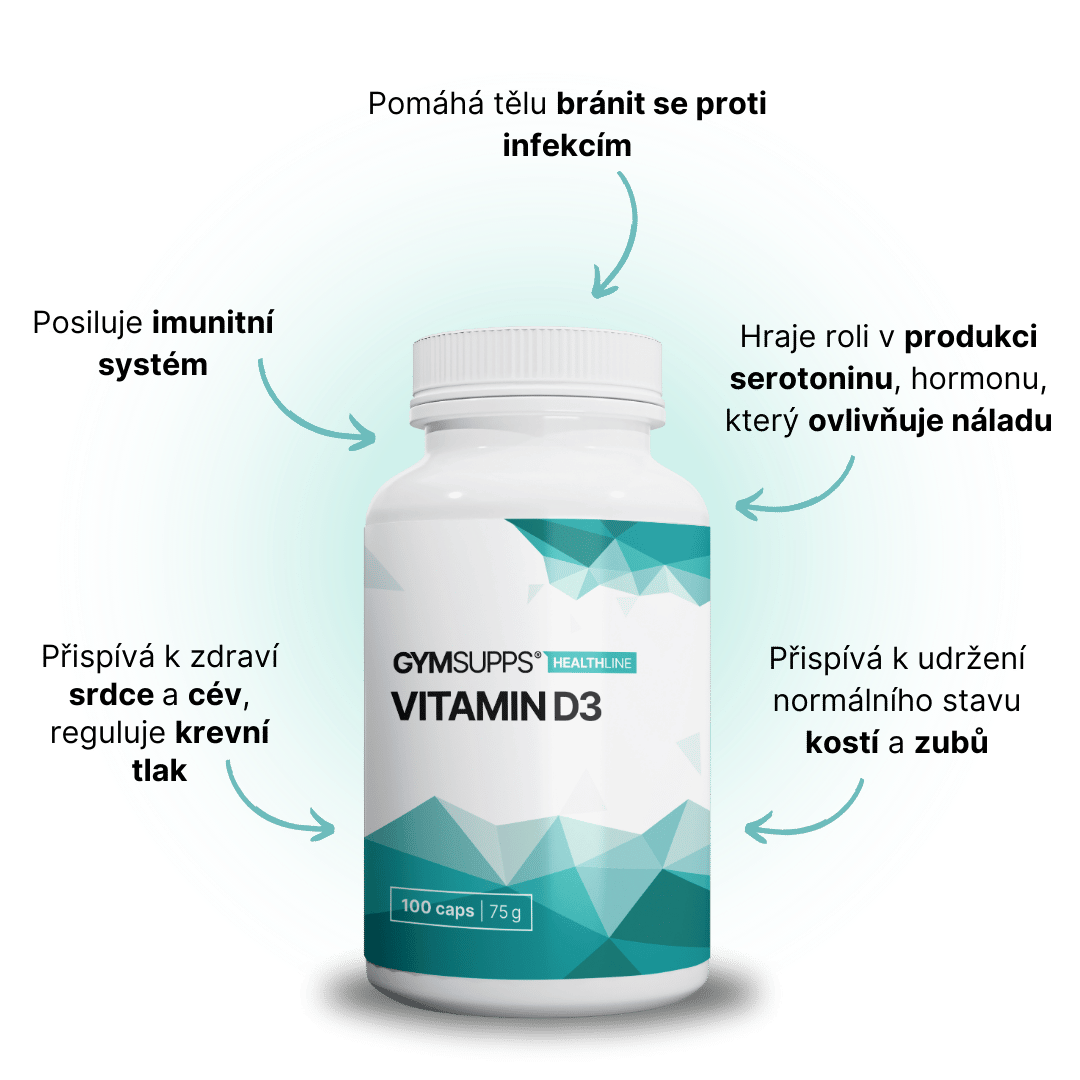
Vitamin D3 is synthesized in the body primarily under the influence of the sun's UVB radiation. Its main function is to promote the absorption of calcium and phosphorus in the digestive tract, which is essential for the formation and maintenance of strong bones and teeth. In addition, vitamin D3 affects the immune system, promotes cell growth differentiation and has anti-inflammatory effects.
Optimal levels of this vitamin can help improve recovery, reduce the risk of muscle injury and promote overall performance. When you have enough D3, the body makes better use of calcium to build bone structures, which is essential for resistance to physical exertion.
What is vitamin K2 and its role
Vitamin K2 (menaquinone) is crucial for the proper distribution of calcium in the body. In our body, it activates proteins that help move calcium from soft tissues to the bones. Without vitamin K2, excess calcium could deposit in blood vessels and joints, which could lead to calcification and other health complications such as atherosclerosis.
Combined with vitamin D3, vitamin K2 will then ensure that the calcium you have absorbed through D3 is safely stored in your bones and not in your soft tissues. This synergistic interaction thus promotes healthy bones, stronger joints and overall cardiovascular protection.
Synergistic effects of the combination of vitamin D3 and K2
1. Optimisation of bone density
When you take vitamin D3 and K2 together, the body can use calcium much more efficiently. D3 increases the absorption of this key mineral, while K2 ensures that calcium is properly transported and stored in the bones. Studies show that combined supplementation can lead to a significant increase in bone density, reducing the risk of osteoporosis and fractures.1
2. Prevention of soft tissue calcification
Excessive calcium accumulation outside the bones can cause calcifications in the blood vessels, heart and joints. Vitamin K2 activates proteins, such as osteocalcin, which ensure that calcium is stored in the right places. This reduces the risk of cardiovascular disease and promotes joint health.2

3. Supporting the immune system and anti-inflammatory effects
Vitamin D3 has known immunomodulatory properties, while K2 contributes to the regulation of inflammatory processes. Together, these substances can improve immune function and reduce inflammation, which is important not only for athletes but also for everyday users who want to maintain optimal health.3
4. Improving cardiovascular health
Promoting proper calcium distribution is essential for the cardiovascular system. The combination of D3 and K2 helps prevent calcification of blood vessels, which contributes to better blood vessel patency and reduces the risk of cardiovascular disease. This combination thus plays a key role in protecting the heart and blood vessels, which is particularly important for athletes and the elderly.2;3
5. Overall support for recovery and vitality
Vitamins D3 and K2 work together not only at the level of the bones and blood vessels, but also contribute to improving the overall vitality and regeneration of the body. Thanks to their synergistic effects, they can help athletes improve recovery after a hard workout, support muscle function and generally increase energy levels throughout the day.

How, when and how best to supplement vitamin D3 and K2
When to take vitamins D3 and K2?
The optimal timing of vitamin D3 and K2 supplementation depends on your lifestyle and individual needs. Many experts recommend taking these vitamins in the morning with a fat-rich meal, as vitamin D3 is fat-soluble and thus more easily absorbed. Others prefer to take them at bedtime when the body is recovering, but consistency is key - take them regularly every day to keep your levels stable.4

What is the best way to supplement with vitamins D3 and K2?
Optimizing your intake of these vitamins involves a combination of several approaches:
- Supplementation: choose high-quality supplements containing vitamin D3 and K2 in the recommended ratios. For example, products that provide 1000-2000 IU of vitamin D3 along with 90-120 µg of vitamin K2 are ideal to ensure proper balance.
- Diet: include foods rich in these vitamins in your diet. For example, you can get vitamin D3 from fatty fish, eggs and fortified dairy products. Vitamin K2 is found in fermented foods such as natto, cheese and some meats.
- Sun exposure: Sunlight is a natural source of vitamin D. If possible, allow 10-15 minutes of direct sunlight exposure daily.
Recommended daily dose
According to scientific studies, the recommended daily dose of vitamin D3 for adults ranges from 600 to 800 IU, but for those with higher requirements - such as athletes or individuals with vitamin D deficiency - this dose can be increased up to 2,000 IU per day. For vitamin K2, it is commonly recommended to take between 90 and 120 µg per day. The exact dosage should be adjusted based on individual needs and any blood tests.4
Practical tips for daily supplementation
- Regularity and consistency: taking vitamin D3 and K2 should be part of your daily regimen. Set a fixed time - ideally during breakfast to encourage absorption with a meal containing healthy fats.
- Balanced diet: combine supplementation with foods rich in natural sources of vitamin D (oily fish, fortified dairy products) and vitamin K2 (fermented foods, cheese). This approach ensures a comprehensive nutrient intake.
- Sunlight: Take advantage of the natural source of vitamin D - sunlight. Regular, short-term sun exposure (10-15 minutes a day) can contribute significantly to your vitamin D levels.
- Supplemental testing: If you suspect your vitamin D levels may be low, don't hesitate to get blood tests. This will help you determine if your dosage needs to be adjusted.
- Consult a professional: Especially if you are an athlete or have specific medical conditions, consult a doctor or nutritionist. Their advice will help you optimize supplementation for your individual needs.
Conclusion
The combination of vitamins D3 and K2 is a unique synergy that provides a range of benefits - from increasing bone density and improving immunity to promoting recovery and overall vitality. Taking these vitamins correctly can mean the difference between average and optimal health. Regular supplementation, a balanced diet, and natural sun exposure work together to maintain optimal levels of these nutrients, which translates not only to bone health, but also to overall energy, regeneration, and cellular functionality.
It doesn't matter if you're an athlete, an active individual, or someone who just wants to improve your quality of life - vitamins D3 and K2 can be a key element that promotes longevity and overall well-being. Scientific studies clearly confirm their effectiveness and synergistic effects, so if you choose to include these supplements in your daily regimen, you'll be taking a step towards healthier bones, a stronger immune system, and overall body vitality.
Recommended

VitaHarmony Vitamin K2 + D3
Nutrend Vitamin D3 + K2
Prom-in Vitamin MK7+D3
Study references:
- 1) Holick, M.F. (2007). Vitamin D deficiency. New England Journal of Medicine.
- 2) Knapen, M.H.J., et al. (2013). Supplementation of vitamin D and vitamin K improves bone mineral density in postmenopausal women. Journal of Clinical Endocrinology & Metabolism.
- 3) Wacker, M. & Holick, M.F. (2013). Sunlight and Vitamin D: A global perspective for health. Dermato-Endocrinology.
- 4) Pludowski, P., et al. (2013). vitamin D supplementation guidelines. Journal of Steroid Biochemistry and Molecular Biology.
No posts have been made yet.








