





Can diet protect against depression? How Omega-3 changes brain chemistry
 Author:
 When it comes to mental health, medication is often a necessary part of treatment, but it is rarely the whole story. Scientists have recently been focusing intensely on the question of whether specific nutrients can strengthen the brain in ways that drug therapy alone cannot.
Recent findings suggest that omega-3 fatty acids may be a powerful ally in the fight against depression.
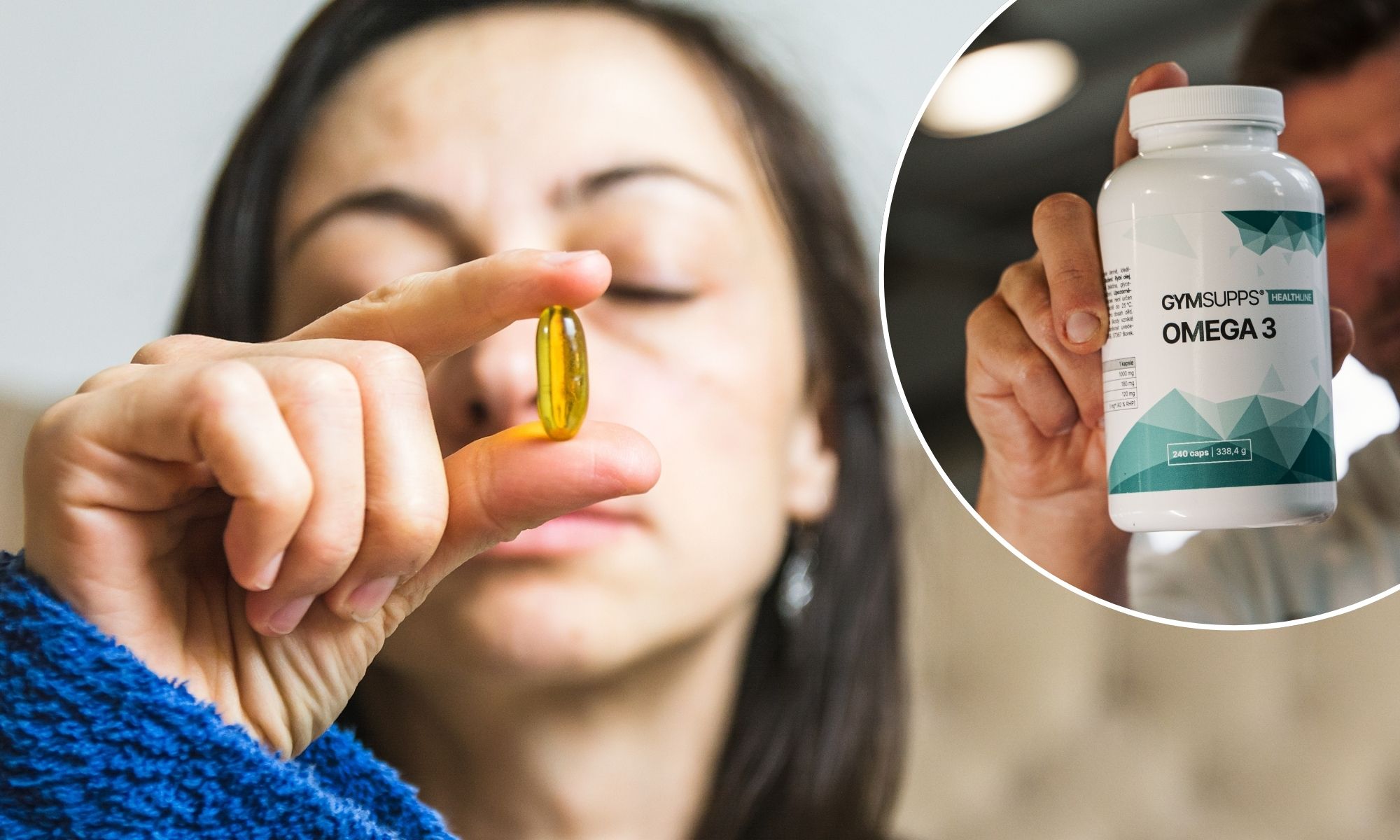
Surprising results of a new study
A recent study looked at participants struggling with bipolar depression. The research was divided into two groups:
- The first group took 2 grams of Omega-3 daily for 8 weeks (concurrently with their regular medication).
- The second group received only a placebo.
The results after eight weeks were remarkable. The group taking Omega-3 saw a 44% drop in depression scores.
The secret is in the BDNF protein
Why did the fatty acids have such an effect? The key seems to be a protein called BDNF (Brain-Derived Neurotrophic Factor). This protein:
- Promotes neuronal growth.
- Increases the brain's resilience.
- Plays a vital role in mood regulation.
Low levels of BDNF have long been linked by scientists to depression. In the aforementioned study, the group taking Omega-3 increased BDNF levels by a whopping 68%.
What does this mean for you?
Although the broader research on the effect of Omega-3s on mood disorders is still mixed (some studies confirm the benefits, others are more cautious), this research shows clear potential. If you struggle with depression or have a family history of it, adjusting your diet may trigger chemical changes in your brain that will promote better mood.
Recommendations, according to the researchers:
- Dosage: In research, a dose of around 2 grams of combined EPA and DHA per day is usually used.
- Role in treatment: Omega-3s don't replace your current medications, but they can work as an effective treatment supplement.
Recommended
Prom-in Native Omega 3
Reflex Omega 3

GymSupps Omega 3

Omega 3 240cps 1+1
No posts have been made yet.








