





Biohacking exam period - optimize memory and stop fatigue!
 Author:
 Deadlines are knocking, libraries are bursting at the seams and energy drink consumption is at an annual high. The classic exam period scenario carries with it a hidden trap: while massive doses of caffeine temporarily delay sleep by blocking adenosine receptors, they often increase anxiety, impair working memory capacity, and eventually result in a relentless energy crash.1 Modern neuroscience, however, offers an alternative. We've focused on the clinically researched substances contained in the nootropic GymSupps Brain Boost complex, which promise to deliver pure mental energy, deep focus, and stress resilience on a real-world scientific basis.
Article Content:
- Why do conventional stimulants fail at deep learning?
- Cytisoline and Phosphatidylserine: Fuel for cells and protection from cortisol
- Bacopa monnieri and Ginkgo biloba: Architects of long-term memory
- Brainberry®: A patented reaction accelerator
- L-Tyrosine and Gotu Kola: A shield against sleep deprivation
Why do conventional stimulants fail in deep learning?
To effectively store complex information in long-term memory, you need a state called "relaxed alertness". Once you exceed the optimal level of nervous system excitation with strong stimulants, the amygdala is activated, mild panic sets in, and the ability to make logical connections rapidly declines. Nootropic complexes without caffeine therefore choose a different strategy: instead of beating the tired organism, they supply the brain with precursors of key transmitters and protect neurons from oxidative stress.
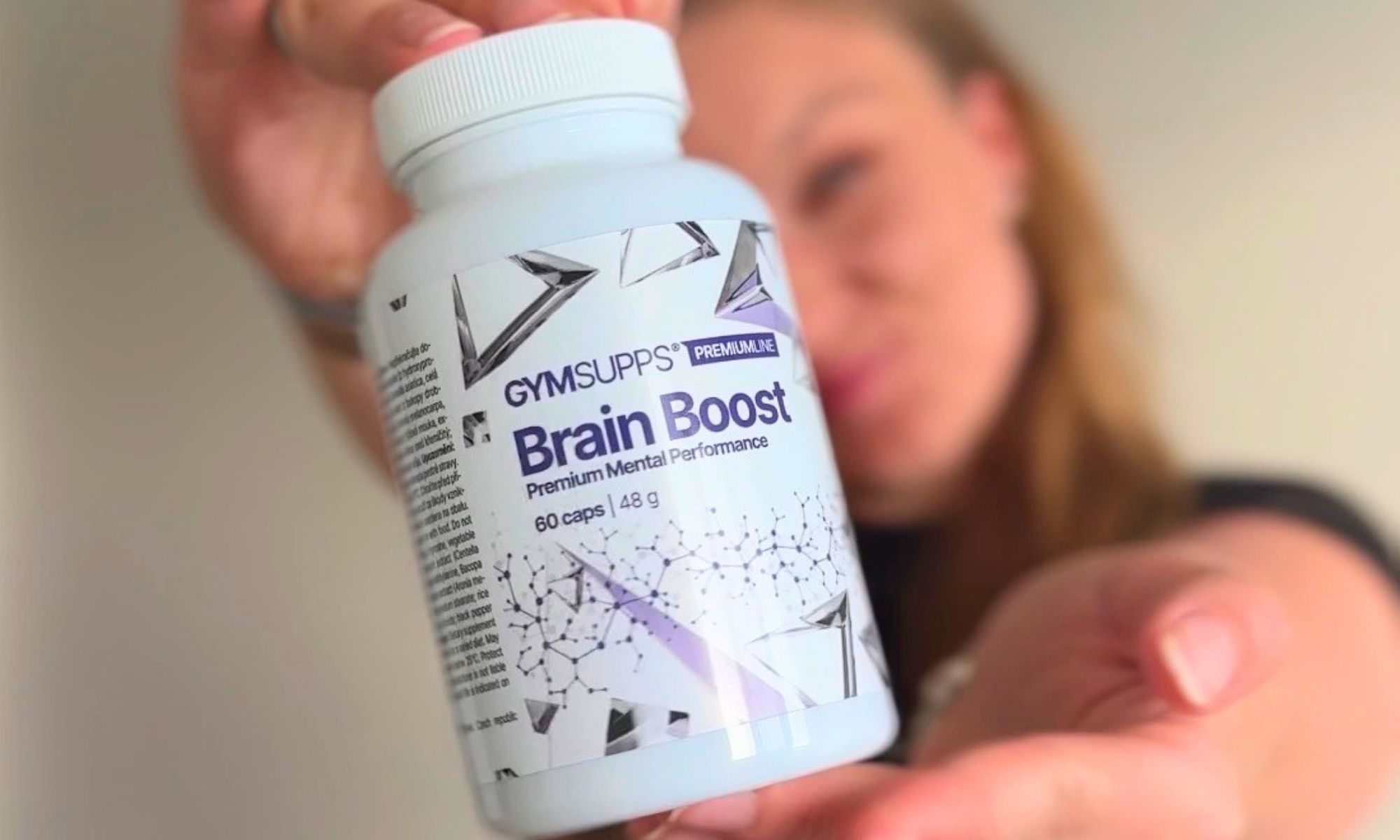
Citikoline and Phosphatidylserine: fuel for cells and protection against cortisol
Citicoline (CDP-choline) represents the absolute gold standard among nootropics. It has excellent bioavailability and easily crosses the blood-brain barrier. Clinical studies confirm that citicoline increases the synthesis of adenosine triphosphate (ATP) in brain cells by up to 14% and rapidly accelerates the production of acetylcholine - the main neurotransmitter responsible for memory and learning.2
It is followed by phosphatidylserine, a structural phospholipid that forms the inner layer of neuronal cell membranes. Research shows that its supplementation improves membrane fluidity, facilitates signal transmission, and has been shown to inhibit the secretion of the stress hormone cortisol during extreme mental stress (e.g., before a difficult exam).3
Bacopa monnieri and Ginkgo biloba: Architects of long-term memory
Traditional Ayurvedic medicine calls it Brahmi, modern science Bacopa monnieri. This powerful adaptogen contains active substances called bacosides. These stimulate the activity of enzymes involved in neuronal repair and promote synaptic plasticity - the brain's ability to form new connections. Peak effectiveness occurs after 4 to 6 weeks of use, when there is a significant improvement in the retention of information in memory.4
Ginkgo biloba acts as a logistical partner. It contains flavone glycosides that dilate micro-vasculature in the brain, providing a more massive supply of oxygen and glucose to tired centers.
Brainberry®: a patented reaction accelerator
The big surprise of the complex is the presence of the premium ingredient Brainberry®. It is a specific extract from black chokeberry, rich in cyanidin-3-galactoside. This substance can selectively increase levels of brain-derived neurotrophic factor (BDNF), a key protein for neuronal survival and growth. Clinical studies have shown objective improvements in psychomotor speed and concentration, which is invaluable in tests with strict time limits.5
L-Tyrosine and Gotu Kola: A shield against sleep deprivation
Chronic stress and sleepless nights drastically deplete dopamine and norepinephrine levels in the prefrontal cortex (the center for logic and volition). L-Tyrosine serves as a direct building block for these neurotransmitters. Studies by both the U.S. military and civilian sectors have shown that L-Tyrosine supplementation can reverse cognitive deficits caused by acute sleep deprivation and psychological stress.6
Gotu kola (Asian umbilicus) complements this pair by stimulating the release of gamma-aminobutyric acid (GABA), thereby calming an over-excited nervous system and reducing anxiety about public speaking (oral exams) without inducing drowsiness.7
Conclusion
GymSupps Brain Boost is not a miracle pill that will stage the substance for you. It is, however, an extremely intelligently constructed "hardware upgrade" for your tired nervous system. Removing caffeine has created a product that promotes deep, analytical work without the side effects of restlessness, and represents the current leading edge in available biohacking for the exam period.
Recommended
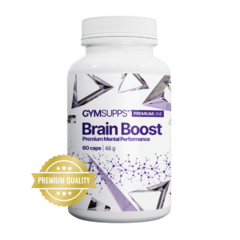
GymSupps Brain Boost
Resources and references
- [1] Winston, A. P., Hardwick, E., & Jaberi, N. (2005). Neuropsychiatric effects of caffeine. Advances in Psychiatric Treatment, 11(6), 432-439.
- [2] McGlade, E., et al. (2012). Improved Attentional Performance Following Citicoline Administration in Healthy Adult Women. Food and Nutrition Sciences, 3, 769-773. (Further supported by Cognizin® data).
- [3] Benton, D., et al. (2001). The influence of phosphatidylserine supplementation on mood and heart rate when faced with an acute stressor. Nutritional Neuroscience, 4(3), 169-178.
- [Stough, C., et al. (2001). The chronic effects of an extract of Bacopa monniera (Brahmi) on cognitive function in healthy human subjects. Psychopharmacology, 156(4), 481-484.
- [5] Baurastene, K., et al. (2020). Aronia melanocarpa extract (Brainberry®) improves psychomotor speed and focus in healthy young adults: A randomized, double-blind, placebo-controlled study. European Journal of Nutrition.
- [6] Banderet, L. E., & Lieberman, H. R. (1989). Treatment with tyrosine, a neurotransmitter precursor, reduces environmental stress in humans. Brain Research Bulletin, 22(4), 759-762.
- [7] Bradwejn, J., et al. (2000). A double-blind, placebo-controlled study on the effects of Gotu Kola (Centella asiatica) on acoustic startle response in healthy subjects. Journal of Clinical Psychopharmacology, 20(6), 680-684.
No posts have been made yet.








