Sleep: the key to regeneration and longevity
 Author:
 Do you feel that sleep is something we can skip in a busy day and "grow up" later? Wrong! Quality sleep is one of the most important pillars of a healthy and long life. When we sleep, our body is working at full speed - regenerating muscles, strengthening memory and boosting the immune system. In the following lines, we'll show why sleep is so crucial for longevity, and we'll also add tips on how to treat yourself to a truly restorative night.
Article Content:
- Why sleep is so important for healthy ageing
- How sleep enables longevity
- Tips for quality sleep or Sleep hygiene from A to Z
- Supplements that can help you
Why sleep is so important for healthy ageing
Quality sleep is not only a source of energy, but also a key factor in preventing many diseases of civilisation. During sleep, the body releases a number of important hormones that promote cell renewal and help maintain proper metabolic functioning. At the same time, the brain is "cleaned" - in simple terms, various fumes produced during the day are flushed out of it. If you sleep little or poorly, you may experience memory problems, increased susceptibility to disease and even faster cellular aging over time.
- Stage and muscle recovery: in deep sleep, the body does the most to repair and build muscle mass. This is not only important for athletes, but also for normal functioning and maintaining strength in older age.
- Brain and memory support: when we sleep, our brain "archives" experiences and strengthens the synapses between nerve cells. As a result, we remember what we have learned better and are able to think more clearly.
- Immune system on alert: When we sleep, we produce cytokines that fight infections and inflammation. Lack of sleep can thus lead to more frequent colds and other health complications.

How sleep enables longevity
Regular and adequate sleep is an invaluable ally in the fight against premature aging and a host of health ailments. Many studies suggest that people with quality and sufficient sleep have a lower risk of developing chronic diseases such as type 2 diabetes and heart disease. Sleep also helps to maintain hormone levels - which are important for long-term vitality.
- Better weight: Lack of sleep disrupts hunger and satiety hormones (ghrelin and leptin), which can lead to overeating.
- Lower stress load: those who sleep well are less likely to be stressed and anxious. Chronic stress is one of the main factors that shorten life.
- Higher resistance to disease: Long-term sleep deprivation impairs immunity and general health, which can have a negative effect on life expectancy.

Tips for quality sleep or Sleep hygiene from A to Z
1. Establish a regular routine
Go to bed and get up at the same time - even at the weekend. The body likes to follow its internal clock, and if we give it a clear rhythm, it gets used to the time of falling asleep and waking up better.
2. Create a sleep sanctuary
The bedroom should be an oasis of calm. Make sure it's dark, at a cooler temperature (ideally around 18°C) and with a minimum of distractions. Keep electronics away - light from screens interferes with the production of melatonin, the sleep-inducing hormone.
3. Watch out for caffeine and alcohol
Coffee, strong tea or energy drinks can keep a person awake for several hours. So try not to drink late in the afternoon. Alcohol may act as a soporific, but it significantly interferes with the quality of sleep.
4. Calming rituals
Try taking a hot bath, reading a book or a short meditation before bed. This lets your brain know it's time to switch into "rest mode." You can also try light stretching or relaxation breathing techniques.
5. Invest in comfort
It pays to have a good quality mattress and pillow. Also consider choosing the right blanket for the season. Inadequate spinal support or too much heat can interfere with recovery and cause uncomfortable back pain.
Accessories that can help
Melatonin - the natural sleep hormone
Melatonin is a substance that the body creates itself, and its production is mainly dark. If you have a disrupted sleep cycle (e.g. due to shift work or frequent travel across time zones), supplemental melatonin can be a useful aid. It can help you fall asleep faster and improve your overall sleep quality.
Magnesium GymSupps - for restful sleep and better recovery
Magnesium is an important mineral for proper function, nervous system and energy production and therefore promotes sleep and reduces stress. Its deficiency can contribute to poor sleep quality and more frequent awakenings during the night. GymSupps magnesium is also available in a highly absorbable form, so you don't have to worry about unnecessary strain on your digestion.
For more dietary supplements to support sleep and reduce stress, visit our sleep and stress category.

Conclusion
Sleep is the unfairly underrated hero of our health. Yet it is involved in so many key processes - from contributing to regeneration to supporting mental balance. If you learn to listen to your body's needs and put into practice a few simple habits for better sleep, you'll reward yourself with stronger health, clearer thinking and a longer, better quality life.
And because quality sleep goes hand in hand with the right supplements, you can also get inspired by our new Longevity category on the store. We've carefully selected only products that really make sense and can support your journey to a long and healthy life. Give your night's rest the attention it deserves and you'll soon see the results show up in your daily life. Good night!
Recommended
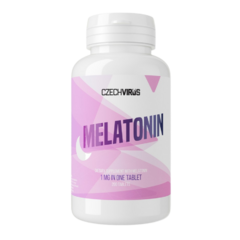
Czech Virus Melatonin

No posts have been made yet.