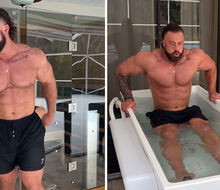
How to get started with hardening? Practical steps for beginners
 Author:
 Hardening off is not just a popular trend, but a really effective method to improve your physical and mental condition. Regular exposure to the cold has many proven health benefits, from boosting your immune system to improving your mood and energy levels. This article will guide you through the basic steps to start hardening off gradually, safely and sensibly without putting yourself at risk.
Why hardening?
Hardening, or regularly exposing your body to cooler temperatures, has many positive effects. Hardy people often suffer less from colds and seasonal illnesses because their immune systems are more resistant to germs and viruses. Hardening off also stimulates the production of endorphins, known as happiness hormones, which helps to improve mood and feelings of well-being. Regular exposure to cool water or a cool environment also increases the body's ability to better manage stress, which can be beneficial for overall mental balance.
When is the best time to start hardening off?
The best time to start is in the fall, when temperatures gradually cool down and the body has time to adjust to the cooler weather. If you start in the warmer months, it may be harder to get used to the cold because the transition between warm and cold environments will be more abrupt. Autumn weather offers the perfect opportunity to gradually expose the body to the cold, which is essential for the adaptation of the circulatory and respiratory systems.
Hardening off can be started at any time of the year, but it is the gradual onset and gradual reduction of temperatures that is the key to success. The body's thermoregulation gradually improves, ensuring that you are better able to handle cold temperatures without negatively impacting your health.

How to get started with hardening? Practical steps for beginners
1. Hardening in the shower: The first step to coolness
The simplest and easiest way to start hardening off is to cool down slowly while showering. This can be practiced during your daily hygiene routine. Start with a warm shower that your body is used to and gradually lower the water temperature until it is comfortably cool. Initially, just a few seconds under the cold water at the end of the shower is enough for the body to get used to it. You can gradually increase the time you stay under the cold water for better results.
2. Hardening in the air: Clothing plays a role
The second step may involve reducing the layers of clothing you put on for walks or outdoor activities. In the fall and winter, you can gradually get used to not wearing as many layers. As you feel comfortable in less warm clothing, your body will naturally adapt to the colder environment. However, make sure that you are not significantly cold and that you avoid prolonged cold snaps. Feeling slightly chilly is desirable, but you should never be explicitly uncomfortable.
3. Immersion in natural water: the next step for the advanced
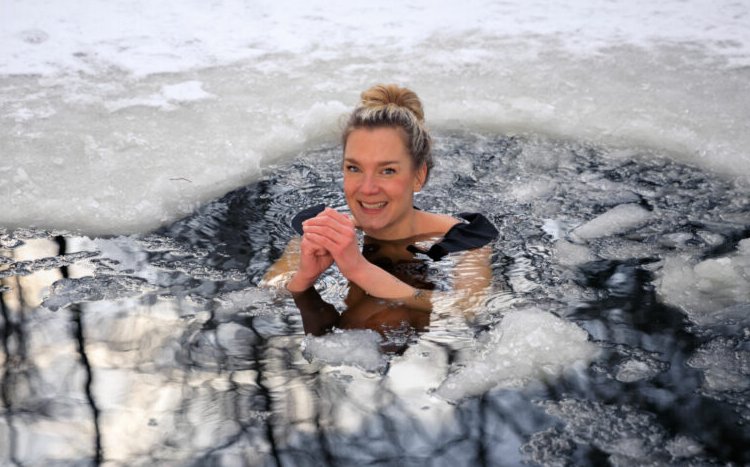
Once you feel ready, you can try a short dip in natural water, such as a pond, lake or river. This step requires some courage but brings many health benefits. For beginners, it is advisable to start with just a short stay in the water, such as 10 to 20 seconds, and gradually increase the time. It is advisable to choose a place where you can get out of the water easily, and ideally go with someone who has experience in hardening off.

Mistakes to avoid when hardening off
1. Overloading the body: Start in moderation
One of the most common mistakes beginners make is that they want to get everything done quickly and immediately. Hardening is a process that requires patience and respect for your own body. Overdoing it can lead to colds or health problems. The body gets used to the cold gradually, so try not to attempt too long and strenuous exposure to the cold right at the start.
2. Ignoring the body's signals: Listen to yourself
When you're hardening off, it's crucial to be aware of the signals your body is giving you. If you feel uncomfortable, have chills or experience cramps, stop immediately and warm up. Cold is a stressor for the body that can make it stronger, but if applied too intensely, it can cause health problems. The key to a successful warm-up is regularity and a sensible approach, not pain or discomfort.
3. Inadequate warm-up before hardening.
It is advisable to warm up the body slightly before hardening, especially before immersion in cold water. Warm up with a light run, dynamic exercise or at least a short walk. Warmed muscles and circulatory system can better cope with the transition to a cold environment, reducing the risk of shock and cold.
4. Breathing control: slow and steady breathing is key
One of the natural reflexes when suddenly immersed in cold water is rapid and shallow breathing. This reflex can be uncomfortable and stressful. Therefore, it is important to focus on calm, slow breathing before immersion in cold water. This will help you stay more calm while you are hardening off, your body will be better able to handle the transition into the cold, and you will avoid excessive stress.
The benefits of hardening: why is it worth it?
There are countless benefits of hardening. Regular exposure to cold stimulates the immune system, leading to increased resistance to colds, flu and infections. Hardy people generally report a better mood, as endorphins - the happy hormones - are released during hardening. These hormones make you feel better, have more energy and are more mentally balanced.
Another benefit is that hardening off can improve the quality of sleep and help the body recover faster after physical exertion. Blood circulation to the skin also improves when you're hardening off, which can have a positive effect on your skin and leave you feeling refreshed.
Recommended
Prom-in Green Elixir Pro+
No posts have been made yet.