




Jay Cutler revealed how he knows when a workout was good. But science calls his opinion into question!
 Author:
You wake up in the morning after a grueling leg workout, and you can feel every muscle just walking down the stairs. Squats, leg presses, and lunges immediately come to mind. Many athletes see this feeling as confirmation that the previous workout really worked.
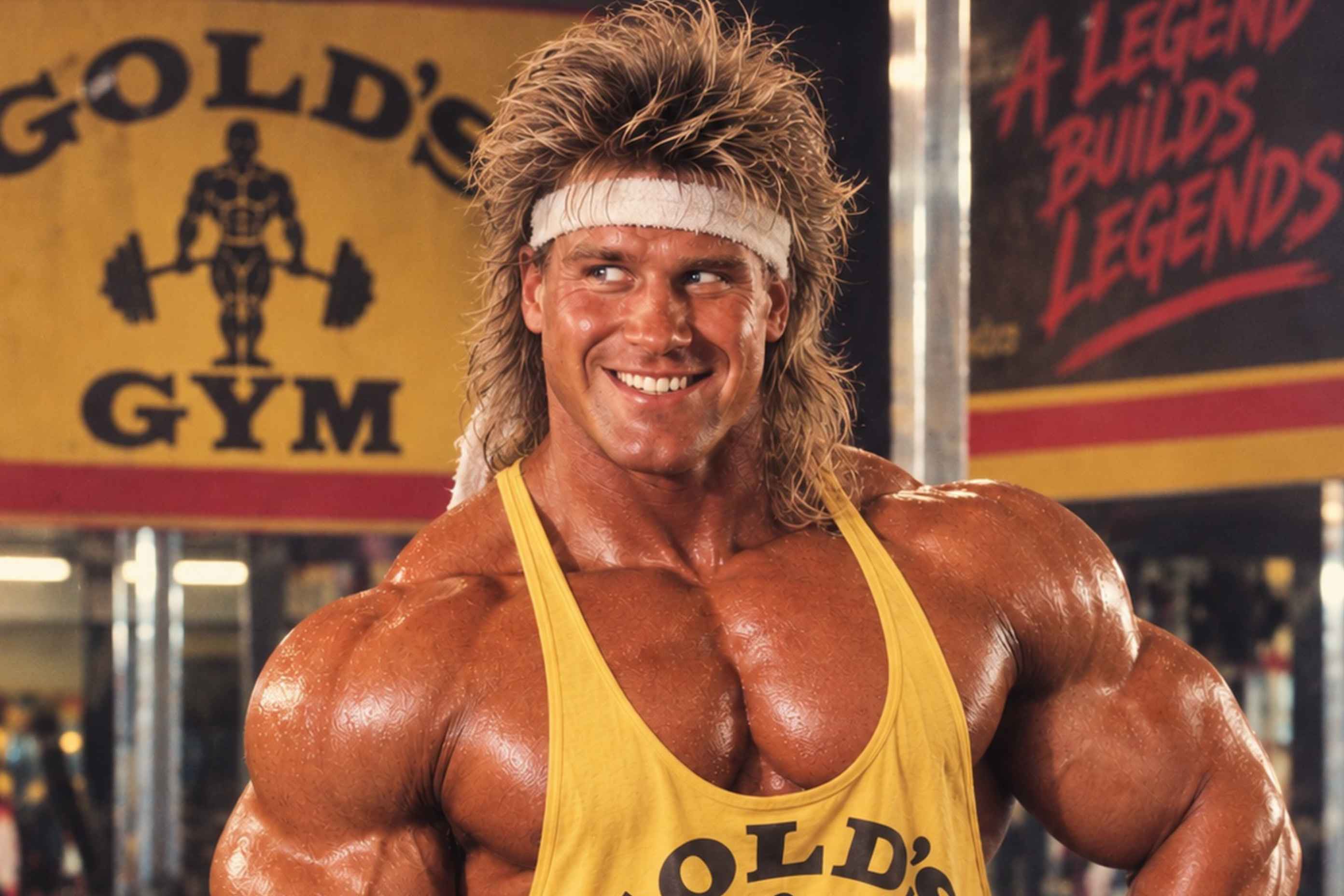
The legendary American bodybuilder Jay Cutler had similar thoughts during his professional career. In a video released on November 18, 2026, the four-time Mr. Olympia winner explained that post-workout muscle soreness was an important indicator of the quality of his training.
Cutler: If my muscles didn’t hurt, I wasn’t satisfied
Jay Cutler admitted that if he didn’t feel muscle soreness after a strenuous workout, he would wonder whether he had actually trained intensely enough. He also associated a lack of soreness with the possibility that his nutrition wasn’t properly balanced. Throughout his professional career, he therefore paid extraordinary attention not only to his training itself but also to regular muscle care.
In the video, he mentioned that at certain times, he underwent up to six hours a week of various forms of soft-tissue work. He believed that proper care of his muscles and fascia allowed him to perform better. His approach, however, raises an interesting question.
Do our muscles really have to hurt after a workout in order to grow?
What does science say about muscle soreness?
Delayed-onset musclesoreness(DOMS) often occurs after unusual or exceptionally strenuous exercise. It’s typical, for example, when returning to training after a long break or after introducing a new exercise.
However, this does not mean that the intensity of the pain directly corresponds to the amount of newly built muscle mass. Scientific research shows that muscle growth can occur even with training programs that do not cause significant muscle soreness. This is because the body gradually adapts to regular exercise. An athlete can thus gain strength and build muscle over the long term, even if they experience almost no soreness after individual workouts.
Muscle soreness can therefore be a result of intense training, but it is not a necessary condition for hypertrophy.

How can you tell if a workout is truly effective?
Instead of judging by pain, it’s better to track your long-term progress. If you’re gradually able to handle heavier loads, perform more high-quality reps, or improve your form, these may be signs of positive training adaptations. Consistency is also key. A single, exceptionally intense workout that leaves you sore for several days may not yield better results than a systematic program that allows you to recover consistently.
That does not mean, however, that Cutler’s approach was ineffective.
His career shows that he was able to utilize exceptionally demanding training methods. However, the sensation of muscle soreness alone is not scientific proof of their effectiveness.
Don’t forget about regular recovery during your workouts
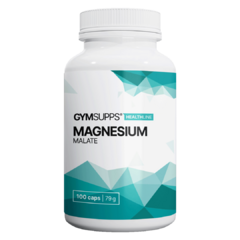
A quality fitness regimen isn’t just about the number of sets you do. It’s also important to get enough sleep, adequate rest, and a varied diet that meets your body’s needs during regular physical activity. One important mineral is magnesium, which contributes to normal muscle function and helps reduce fatigue and exhaustion. If you’re not getting enough of it through your regular diet, GymSupps Magnesium Malate may be a suitable supplement.
However, supplementation does not automatically eliminate muscle soreness or guarantee faster recovery after a workout. Nor does it replace a balanced diet, sleep, and an appropriately tailored training volume.
Pain Is Not a Measure of Success
Jay Cutler is one of the most successful bodybuilders in history, and his experiences can serve as inspiration for many athletes. At the same time, however, they remind us that a professional bodybuilder’s personal beliefs may not always align with scientific findings.
So if your muscles don’t ache after a workout, it doesn’t necessarily mean you trained poorly. What’s more important is whether your training is helping you improve over the long term.
Recommended

No posts have been made yet.