The magic lies in what is called intra-abdominal pressure (bracing). Before a heavy rep, take a deep breath down into your belly (not up into your chest) and forcefully push your abdominal muscles outward against the secured belt. This creates immense pressure inside your torso that acts like an airbag. It perfectly stabilizes and protects your lumbar spine, giving you extreme stability and strength to lift the barbell safely.
A fundamental mistake is choosing a belt based on your pants size! A lifting belt is worn much higher. Take a tailor's measuring tape and measure your waist circumference right around your belly button, with your stomach slightly sucked in. Then, compare those centimeters/inches to the product sizing chart. Ideally, your measurement should fall somewhere in the middle of a size range, giving you room for both cutting and bulking.
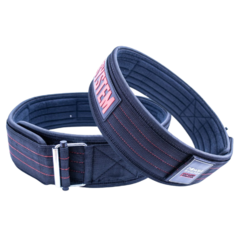
A classic prong buckle (single or double) is highly reliable, and you can easily adjust the tightness on the fly depending on your current needs (e.g., if you are wearing a thick hoodie). However, a lever buckle is a massive game-changer—once you use a screwdriver to set it permanently to your exact size, you can latch and unlatch the belt with a single quick flick of the lever in literally one second.
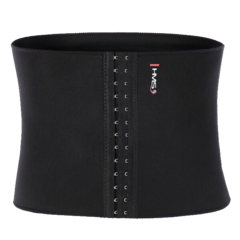
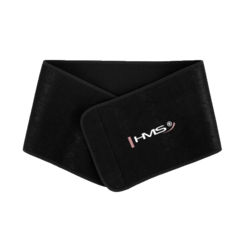
A leather belt is massive, stiff, and provides extreme support. It is an absolute necessity for powerlifters and athletes lifting maximal weights. A nylon or neoprene belt (often secured with Velcro) is much lighter, contours perfectly to your body, and does not restrict movement. It is ideal for dynamic sports like CrossFit, Olympic weightlifting, or intense circuit training.
This is one of the biggest fitness myths out there! A lifting belt does not act as a passive cast that just "holds" you up. Instead, it provides a rigid wall for your abs to push against. The critical rule is not to wear the belt for your entire workout. Only put it on for your heaviest sets of compound movements (squats, deadlifts, heavy overhead presses). Take it off for warm-ups and lighter isolation exercises so your core works naturally.